





We’ve all heard some version of this story. Someone’s great-grandfather smoked like a chimney, ate bacon with every meal, and somehow lived to be 96. It’s a comforting anecdote because it suggests that maybe none of this matters. Maybe food, exercise, sleep, and all the boring healthy stuff are just background noise.
But deep down, we all know that’s not true.
Nothing can guarantee a long and healthy life. Still, some choices can shift the odds in your favor. And according to a large new study, diet is one of them — even if your genes are not exactly doing you any favors.
Nature vs Nurture
The study followed over 103,000 people from the UK Biobank for a median of 10.6 years. During that time, researchers tracked 4,314 deaths and compared people’s diets with their genetic predisposition to longevity.
Predictably, the people with the “high” genetic scores had about a 15% lower risk of dying during the study period compared to those with the “low” scores. But here’s the kicker: the benefits of a healthy diet were almost entirely independent of those genes. No matter the genetic hand people were dealt, the healthy diets still worked, and the bad ones were still bad.
The five diets the researchers identified as healthy are: a Mediterranean-type diet, a plant-based diet, the DASH (Dietary Approaches to Stop Hypertension) diet, the DRRD (Diabetes Risk Reduction Diet), and the AHEI (Alternative Healthy Eating Index).
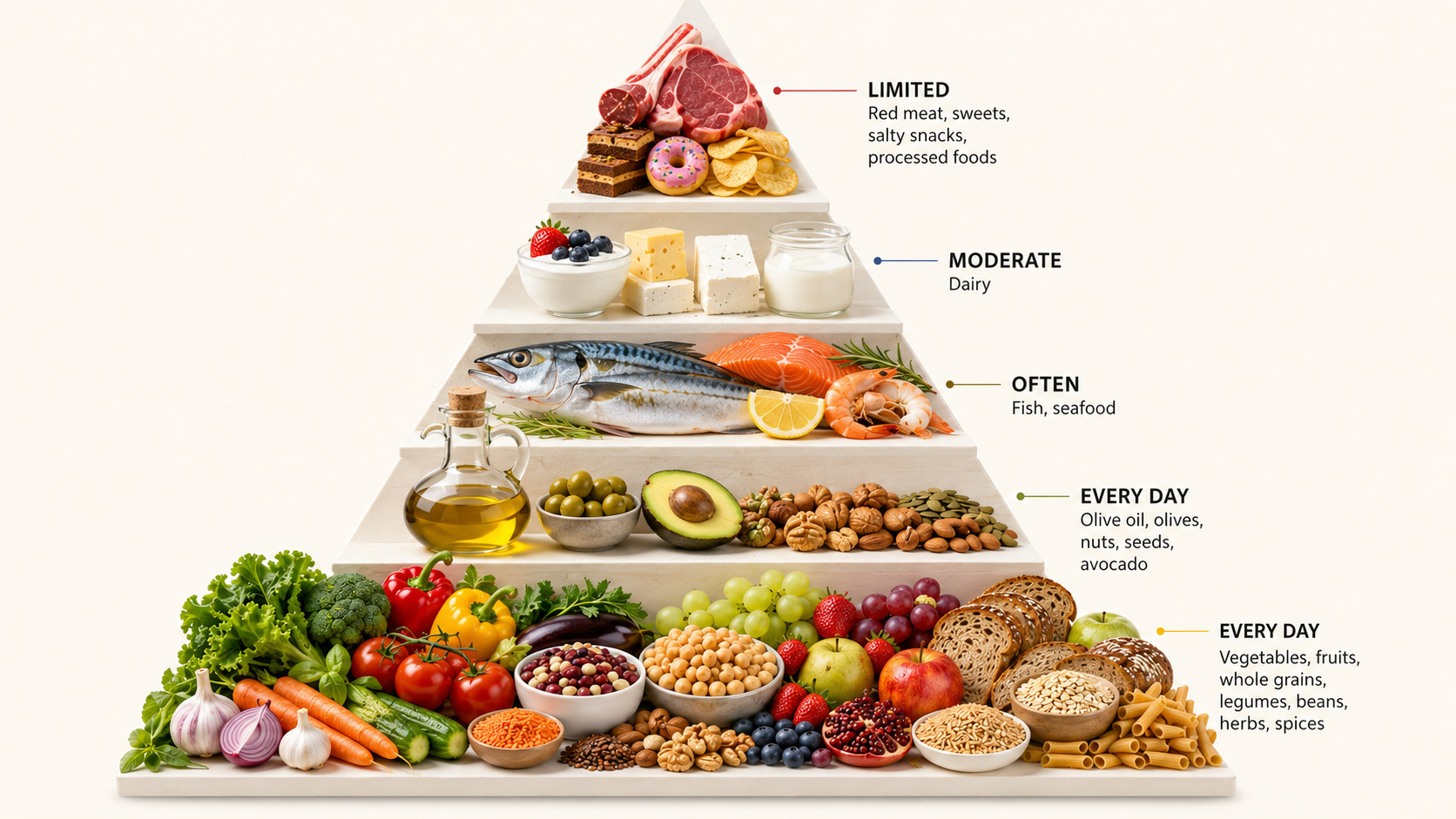
These aren’t fad diets, they’ve been around for years. And they also have a lot of things in common: they’re all centered on fruits and vegetables, healthy fats, and whole grains. They’re high in fiber and low in processed foods, which fits very well with previous research.
Marion Nestle, a nutrition and food studies professor emerita at New York University, who was not involved with the study, told Scientific American that the results aren’t surprising, but they add more weight to already known ideas.
×
Thank you! One more thing…
Please check your inbox and confirm your subscription.
“It’s always amazing to me that it takes research of this depth, complexity and size to conclude that eating healthy diets is good for health and longevity,” she says.
“The study also confirms that there are lots of ways of eating healthfully, and they all work,” she adds.
How to Eat Healthily
So, what are these diets like, and how big was their impact?
For 45-year-olds, those with the highest diet scores were estimated to live longer than those with the lowest scores. For men, the gain ranged from 1.9 to 3.0 years. For women, it ranged from 1.5 to 2.3 years.
The biggest estimated gain for men was linked to the Diabetes Risk Reduction Diet. For women, the biggest gain was linked to the Alternate Mediterranean Diet. Higher fiber intake was also strongly associated with longevity.
That doesn’t mean you should obsess over one specific diet score. This was an observational study, not a controlled experiment, so it cannot prove that the diets directly caused people to live longer. People who eat well may also have other advantages or habits that are hard to fully separate, such as better access to healthcare, more exercise, or greater overall health awareness.
Still, the pattern is hard to ignore: across several different ways of eating, better diet quality was linked to longer life.
What These Diets Actually Look Like
If you’re unsure what these diets imply:
Mediterranean Diet (AMED): Mimics traditional eating patterns of Greece and Italy, emphasizing healthy fats (primarily olive oil) and fatty fish over red meat, often including a moderate intake of red wine. Lots of vegetables, fruits, legumes, nuts, seeds, and healthy fats, not a lot of red meat.
Plant-Based Diet: Centers on foods derived from plants—including vegetables, grains, legumes, and fruits. This is basically a vegetarian diet, excluding animal products to reduce saturated fat and increase fiber intake.
DASH Diet: Specifically designed to lower blood pressure, it prioritizes high intakes of magnesium, calcium, and potassium while strictly limiting sodium (salt) and added sugars. The focus is, again, fruits, veggies, whole grains, and low-fat dairy.
DRRD (Diabetes Risk Reduction Diet): Focuses on blood sugar stability by prioritizing low-glycemic index foods, high fiber, and polyunsaturated fats (fish, olive oil) while reducing trans fats (burgers, red meat, etc) and sugar-sweetened beverages.
AHEI (Alternative Healthy Eating Index): A tool used by researchers to predict chronic disease risk, it uniquely awards points for a high ratio of white meat (poultry/fish) to red meat and the long-term consumption of nuts and soy protein.
The details differ, but the big picture is remarkably consistent. Eat more plants. Choose whole grains. Get enough fiber. Use healthier fats. Cut back on ultra-processed foods, sugary drinks, and red or processed meat.
It’s easy to blame health outcomes on genes. Sometimes, genes really do matter. Some people are born with a better hand than others.
But this study adds to a growing body of evidence that DNA is not destiny. Even among people with a lower genetic predisposition to longevity, healthy eating was linked to a longer life.
The study has been published in Science.