Some supplements can worsen ulcerative colitis (UC) symptoms.Experts advise against NSAIDs, laxatives, high-dose probiotics and iron supplements without guidance.For personalized advice, work closely with your health care provider.
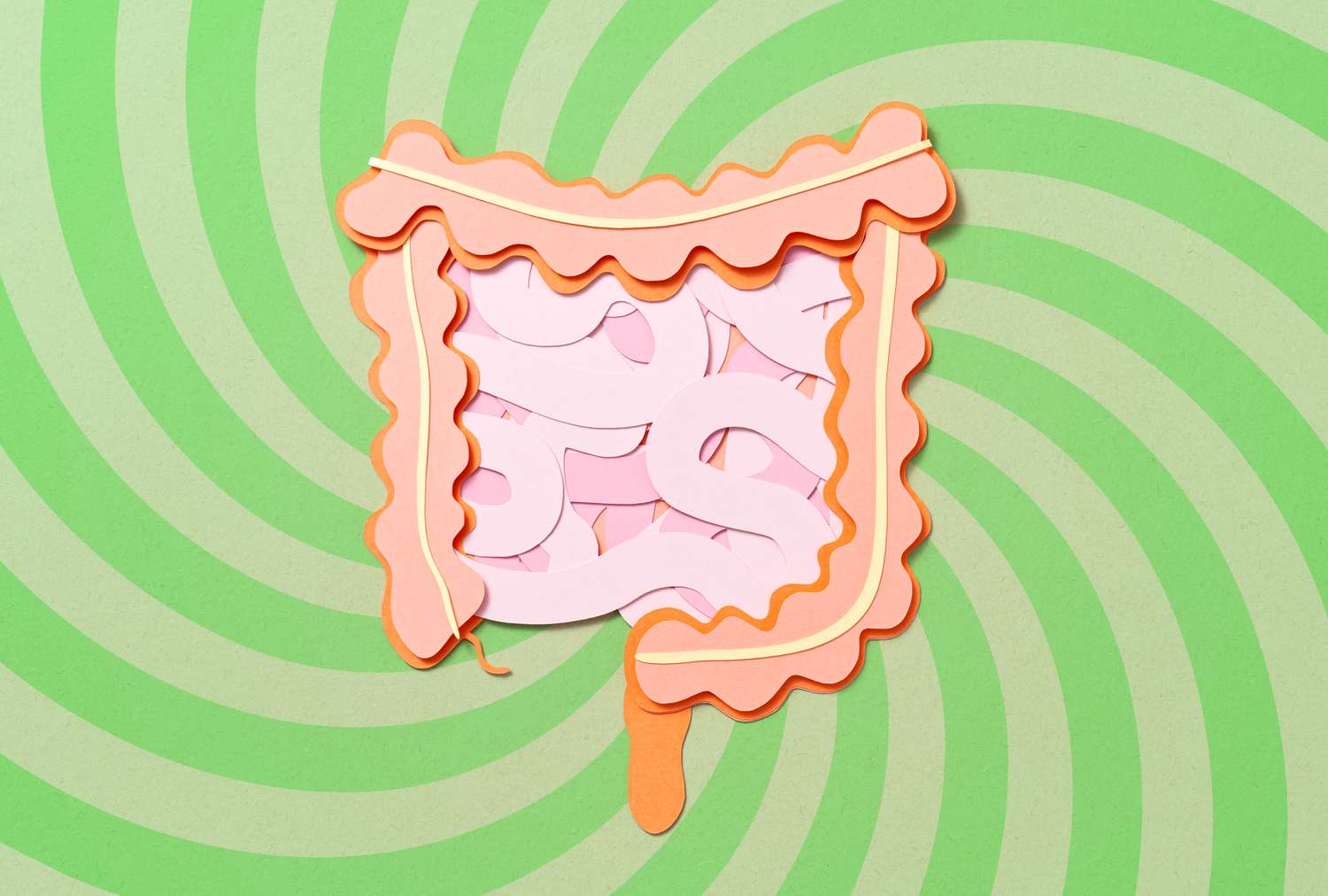
In the United States, over a million people live with ulcerative colitis (UC), a form of inflammatory bowel disease (IBD) that causes chronic inflammation and ulcers in the large intestine. When UC isn’t well-managed, it can increase the risk of complications like anemia, unintentional weight loss, weakened bones and even colorectal cancer.
The good news? With the right treatment plan, many people with UC can achieve remission and enjoy life with minimal symptoms or pain.
Managing UC is a team effort that goes beyond medication. Diet and lifestyle play an important role, too. “Nutrition can help support overall health and symptom management, but people with UC often have unique food tolerances and nutrient needs compared to the general population,” says Jessie Wong, M.Acc., RDN, LD. “It’s especially important to take a close look at supplement use, since some products can worsen gastrointestinal symptoms, interact with medications or further irritate an already sensitive gut, particularly during UC flares.”
Read on to discover four supplements gut-health experts recommend avoiding if you have ulcerative colitis and what to look for instead when choosing a safer option for your needs.
1. Anti-Inflammatories
NSAIDs, or nonsteroidal anti-inflammatory drugs, and anti-inflammatory supplements are commonly used to reduce pain and inflammation—and because many are available over the counter, they’re easy to reach for. But if you have UC, it’s worth thinking twice before taking one.
“NSAIDs, as well as NSAID-like ‘anti-inflammatory’ herbal supplements, can irritate the lining of the digestive tract, particularly in the small intestine (the ileum),” says Ekta Gupta, M.D., FACG, AGAF. “This irritation can worsen diarrhea and increase blood in the stool by further aggravating inflammation.”
Research backs this up: A 2023 study found that long-term NSAID use was associated with higher odds of developing inflammatory bowel disease (IBD), underscoring why these medications may not be the best choice for people managing UC. For anti-inflammatory supplements, like turmeric and green tea extract, caution is warranted, as more high-quality research is needed to understand their role in managing UC.
If you’re experiencing pain, speak with your health care team to find safe, effective alternatives that won’t aggravate your gut.
2. Laxatives
Constipation is a common issue for people with ulcerative colitis, especially during flares, when a low-residue diet is often recommended to ease symptoms. This reduced fiber intake can make stools harder to pass.
In these situations, both Gupta and Wong advise against turning to laxatives or supplements marketed as detoxes or cleanses. “These products can trigger cramping, diarrhea and electrolyte imbalances that may mimic a flare, and they can also cause injury to the intestinal lining,” says Gupta.
Wong echoes this caution, noting that many herbal or “natural” remedies claim to support digestion but often contain stimulant or laxative ingredients. “These compounds may increase bowel urgency, cramping or diarrhea, symptoms people with UC are already sensitive to,” she explains. “Because these effects haven’t been well studied in UC and can mimic or worsen flares, they should be avoided unless a clinician specifically recommends them.”
3. High-Dose Probiotics
Probiotics are often touted as a must-have for gut health, and while they can be helpful for some people, they’re not a one-size-fits-all solution for ulcerative colitis. Both Wong and Gupta caution against reaching for high-dose probiotic supplements to ease symptoms.
The research on probiotics in UC is mixed and highly strain-specific, with only a few formulations showing benefits for maintaining remission. “Many probiotics products simply don’t have strong evidence behind them and in some people, can actually worsen symptoms by causing gas, bloating or increased discomfort,” shares Wong.
Safety is another concern. High-dose probiotics aren’t recommended during flares or for people who are immunosuppressed—a situation that’s not uncommon in inflammatory bowel disease. “In those cases, introducing large amounts of live bacteria into the gut may increase the risk of bacteremia,” explains Gupta., This is a serious condition in which bacteria enter the bloodstream.
For these reasons, experts recommend using probiotics only under the guidance of a health care provider who understands your specific treatment plan and disease status.
4. Iron Supplements
Iron-deficiency anemia is a common consequence of UC, so it’s understandable that many patients reach for over-the-counter iron supplements. However, experts advise speaking directly with your physician before popping an iron pill.
“Oral iron supplements can sometimes cause increased oxidative stress in the colon, which can worsen abdominal pain, constipation or diarrhea,” says Gupta. “In IBD patients, IV [intravenous] iron is often safer and better tolerated.”
Wong adds that other micronutrient supplements—such as calcium, vitamin D, iron, B12 and folic acid—can be helpful when deficiencies are documented. However, these should always be guided by lab testing and professional oversight.
How to Choose a Supplement Safely
To help you choose supplements safely, keep these practical tips in mind:
Get Lab Work. Bloodwork can help identify whether you actually need a supplement. Common nutrients to check for include vitamin D, iron and vitamin B12. Unnecessary supplementation can sometimes do more harm than good.Avoid Click-Bait Claims. Supplements marketed as “immune-boosting” may be tempting, but don’t be swayed. “IBD is an immune-mediated disease, which means stimulating the immune system can backfire,” cautions Gupta. “Do not rely on social media influencers promoting products that often prioritize fads over evidence-based gut health. Always read labels carefully, as hidden ingredients can worsen your condition.”Watch for Drug-Nutrient Interactions. Supplements can interact with biologics, steroids, anticoagulants and other medications. Check with your pharmacist or doctor before adding anything new.Introduce One Supplement at a Time. Start with a single supplement at a low dose to spot side effects and avoid masking potential flare symptoms.Choose Products with Independent Verification. Products that undergo independent testing help to ensure the supplement contains what the label claims, reducing the risk of hidden ingredients that could aggravate your UC.Consult a Health Care Professional. “Supplement decisions should be individualized, and what works during remission may not be appropriate during a flare,” says Wong. Speak with a qualified health care professional, like a gastroenterologist or registered dietitian who specializes in UC, before starting any new supplement.
Our Expert Take
Supplements can help fill nutrient gaps, especially during a UC flare. But as Wong notes, “Using them without clinical context can unintentionally worsen symptoms or mask underlying issues.” Experts advise caution with NSAIDs, laxatives, probiotics and iron supplements, as they may negatively affect your condition. The safest approach is to work closely with your health care team to ensure any supplement supports your needs without causing harm.