Some might call it as a result of a midlife crisis; others might raise an eyebrow at the idea that ladies of a “certain age” like throwing punches. But for women seeking a bold, exciting way to stay fit, start boxing at 50 is proving to be the knockout choice.
Across the country, more midlife women are lacing up gloves in search of strength, energy, confidence, and something many didn’t expect to find: power. Whether you’re craving a new fitness challenge or looking to reconnect with your body, boxing at 50 and beyond is proving to be a surprisingly empowering choice.
CrunchyTales has explored the reasons, excitement, and benefits of starting boxing at 50 and beyond.
Why Midlife Women Are Choosing Boxing
Boxing isn’t just about punching bags, it’s a full-body workout, a mental challenge, and a confidence booster. Gyms across the country are seeing more women over 50 sign up for boxing classes, drawn by its unique combination of cardio, strength, and flexibility training.
In particular, boxing offers a variety of benefits that go beyond traditional exercise:
Full-body fitness: Boxing strengthens muscles often neglected in other workouts and improves coordination and balance.
Stress relief: Punching, skipping, and shadowboxing release tension while boosting endorphins.
Mental focus: Boxing is as much strategy as strength. It teaches women to think quickly, stay alert, and build resilience.
Social connection: Gyms create communities where effort is celebrated over experience or looks.
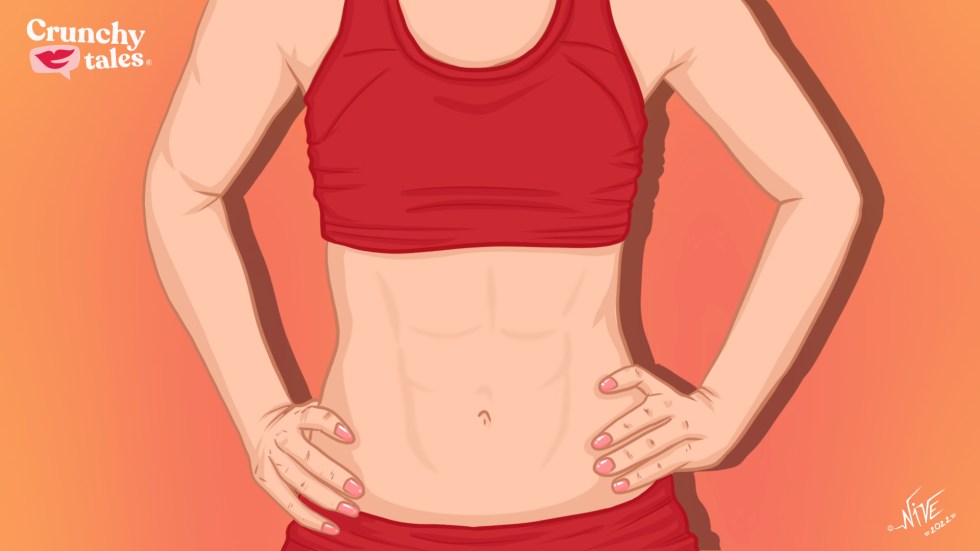 The 5 Best Ab Workouts For Women Over 50
How Boxing Transforms the Bodies and Minds of Midlife Women
Affordable, unpretentious, and surprisingly transformative. Forget the dramatic movie moments from Rocky or the gritty fight scenes in Million Dollar Baby; real-life boxing for fitness (not competition) isn’t about knockouts or bright lights. It requires disciplined movement, controlled power, and steady progress.
Practiced as a workout, boxing strengthens the body, sharpens the mind, and energizes the spirit. It builds lean strength and real confidence while helping you reclaim your sense of presence, balance, and personal power.
“When executed well, it feels like a dance with many challenging technical aspects – writes Marion Dunn, author of The Boxing Diaries, an environmental scientist who started boxing after 50-. It is also very sociable. Participating means joining a global brotherhood or sisterhood melded by years of discipline. At the amateur, non-competitive level it is relatively safe, if properly supervised by trained coaches. It also feels like a natural activity something missing from life that has been restored”.
The Physical Benefits of Boxing for Women
A single session can burn up to 800 calories and with every single punch you throw, you activate your entire core muscles, fire up the hips and glutes and engage your shoulder muscles.
According to trainers, on a physical level, boxing classes are some of the most efficient and effective options for a fitness breakthrough.
It’s a unique sport that embodies power, strength, grace and mental strategy. In the ring, women discover their full potential, gaining confidence that extends far beyond fitness. Boxing also equips them with practical self-defense skills, helping them feel prepared in real-world situations, even against stronger opponents.
The Psychological Benefits of Boxing
Beyond physical benefits, the sport builds mental toughness, reduces stress, and boosts mood by releasing endorphins. Every class challenges concentration, teaches new techniques, and provides endless opportunities for growth. More than an intense workout, boxing is a lifelong skill; a way to channel strength, resilience, and confidence into every aspect of life.
As Steph Dykstra, aka the Iron Lioness, co-owner, creative director, martial arts coach, boxer, and powerlifter at Iron Lion Training Inc explains, “when you’re in the ring, there’s no room for work stress, family worries, or everyday distractions. Your brain is fully occupied: remembering combinations, keeping your guard up, and controlling your breath. You must be present, focused, and reactive in every moment”.
Beyond fitness, boxing challenges you to confront fear in a safe, supportive environment. You learn to retrain instincts, embrace discomfort, and realize that fear doesn’t control you. What’s more, each session teaches resilience, discipline, and self-motivation. “In many ways, boxing is a metaphor for life – she continues- success requires focus, hard work, emotional control, and the patience to delay gratification, skills that carry far beyond the ring”.
Getting Started Boxing at 50: Gym, Equipment and Home Workouts
Starting boxing at 50 doesn’t require a complete lifestyle overhaul, just the right environment, smart gear, and a routine that respects your body while challenging it. With a supportive gym (or even a simple home setup), quality equipment, and a plan tailored to your pace and goals, you can build strength, skill, and confidence safely and sustainably.
Finding the right gym for you
Finding the right gym is one of the most important steps in starting your boxing journey. Take time to research reputable gyms in your area, paying attention to reviews, trainer qualifications, and the overall atmosphere they promote.
Once you narrow down your options, visit in person if possible. Watch a class, observe how the coach interacts with members, and notice whether the environment feels supportive and welcoming. A good gym should make you feel comfortable, motivated, and respected—regardless of your age or experience level.
Above all, trust your instincts; the right fit will inspire confidence and make you excited to come back.
Choosing the right gear
Boxing gloves that fit comfortably, supportive hand wraps, and a quality punching bag or focus mitts make workouts safer and more effective.
For home workouts, set up a dedicated space with enough room to move freely. Add a mirror to check your form, a mat or solid floor to protect your joints, and motivational touches to keep your energy high.
Of course, working with a trainer—even virtually—can help you select exercises that match your abilities, ensuring progress without injury.
Personalizing Your Boxing Routine
A boxing routine for women over 50 should combine skill-building, strength, and endurance exercises at a comfortable pace. Include jab, cross, hook, and uppercut combinations, as well as footwork drills to improve agility. Low-impact exercises like shadowboxing or light bag work are gentle on joints but still effective for cardio, strength, and coordination.
Always listen to your body (and your trainer), allow time for recovery, and celebrate every milestone. Over time, you’ll be abe to tackle new challenges, learn patience, and grow stronger with every session.
 Why Rucking is a Midlife Fitness Gamechanger
What to Expect When You Start Boxing At 50
Thinking of taking up boxing at 50? You’re in good company, more women over 50 are discovering how this dynamic sport can be. Here’s what most beginners experience:
Intense but manageable workouts: Expect skipping, shadowboxing, bag work, and focus pad drills. Beginners may start with 2–3 sessions per week.
Gradual progress: Within months, you’ll notice increased stamina, strength, and confidence.
Optional cross-training: Pilates or yoga complement boxing by building flexibility and core stability.
Safe sparring: Beginner-friendly gyms offer controlled sparring, with protective gear and trained coaches ensuring safety.
Extra Tips for Women Who Want to Start Boxing at 50
Boxing at 50 is a full reset for both body and mind. Learning new techniques sharpens confidence and proves that growth doesn’t stop with age, while the intensity of training helps preserve muscle, strength, and reflexes that naturally fade over time.
What starts as exercise quickly becomes play, turning the gym into a space where you can move, experiment, and have fun without judgment. Each challenge in the ring builds mental grit, strengthening focus and resilience that carry into daily life, making boxing not just a sport, but a powerful way to stay sharp, strong, and fully alive.
While exploring boxing, keep these key points in mind:
Prioritize safety: A medical check and proper protective gear are essential before sparring.
Be consistent: Even 2–3 sessions a week make a difference.
Complement with cross-training: Yoga or Pilates can improve flexibility and prevent injury.
Embrace the community: Boxing is as much about friendship as fitness—don’t be afraid to ask questions and learn from others.
As Marion sums it up: “Don’t overthink it. Just turn up, give it your all, and let boxing show you what you’re capable of. Age isn’t a limit, it’s just another reason to start.”
Why You Should Consider Boxing at 50
Boxing at 50 is a transformative journey for both body and mind. It builds strength, agility, and reflexes while boosting confidence and resilience, showing that age is no barrier to growth or empowerment. The gym, or even a home setup, becomes a space to experiment, have fun, and reconnect with your sense of play, all while mastering new skills and challenging yourself physically and mentally.
Above all, as Marion Dunn puts it: “Whereas the thing that struck me in the boxing gym more than anything, was the camaraderie, people being interested in what you were going, trying to improve your shots. It took me ages to learn the basics. Eventually – she writes- I could throw a jab and a right hand and not a bad left hook now. But the shot I always wanted to throw were body shot hooks, but I found those very difficult. Although I could throw them reasonably well on the bag, I could never throw them fast enough in the ring and that was always a bit of a frustration to me. But people are always very willing to give advice. I found that brilliant, as I’ve never had a coach at anything before. And that was a revelation to me as well”.
Each jab, cross, and hook reinforces not just fitness, but focus, persistence, and spirit, making boxing a holistic practice that enriches every aspect of life; a step toward a stronger, healthier, and more vibrant you.
Do you box or are you thinking about trying it? Share your experiences in the comments below. We’d love to hear your story!
FAQ: Female Boxing at 50
Is it safe to start boxing at 50?
Yes! Boxing can be very safe when approached properly. Start with beginner-friendly classes, use protective gear, and consider a medical check-up before sparring. Trainers can help modify exercises to match your fitness level, minimizing risk while ensuring steady progress.
Do I need to be fit to start boxing?
Not at all. Boxing is scalable, meaning workouts can be adjusted to any fitness level. Even beginners with limited experience or mobility can build strength, stamina, and coordination gradually. Two to three sessions per week are usually enough to see noticeable improvements.
What equipment do I need to start boxing at home or in a gym?
Basic equipment includes well-fitting boxing gloves, hand wraps, and a punching bag or focus mitts. If working from home, a small space with a mat or solid floor, a mirror for form, and comfortable workout clothes is ideal. Optional additions like resistance bands or a jump rope can enhance conditioning.
Can boxing help with strength and weight management?
Absolutely. Boxing is a full-body workout that engages core muscles, hips, glutes, and shoulders while providing a combination of cardio and strength training. Many beginners notice improved muscle tone, increased endurance, and support for weight management within weeks.
Will boxing improve mental health and focus?
Yes. Boxing requires concentration, quick thinking, and strategy, which sharpens mental focus. It also releases endorphins, reducing stress, improving mood, and building resilience. Many women report feeling more confident and energized both in and out of the gym.
Can boxing help with self-defense?
Yes. Boxing improves reflexes, awareness, and confidence, and teaches basic defensive techniques. While it’s primarily a fitness workout, the skills you learn can help you feel safer in everyday situations.
How long does it take to see results?
Most beginners notice improved stamina, strength, coordination, and confidence within a few weeks of consistent practice. Long-term benefits, like muscle tone, mental resilience, and skill mastery, develop steadily over months.
Can I start boxing at home if I don’t have access to a gym?
Definitely. Many exercises—shadowboxing, skipping, bodyweight drills, and bag work—can be done at home with minimal equipment. Virtual trainers or online classes can provide guidance, helping you progress safely and effectively.