Read full article here:
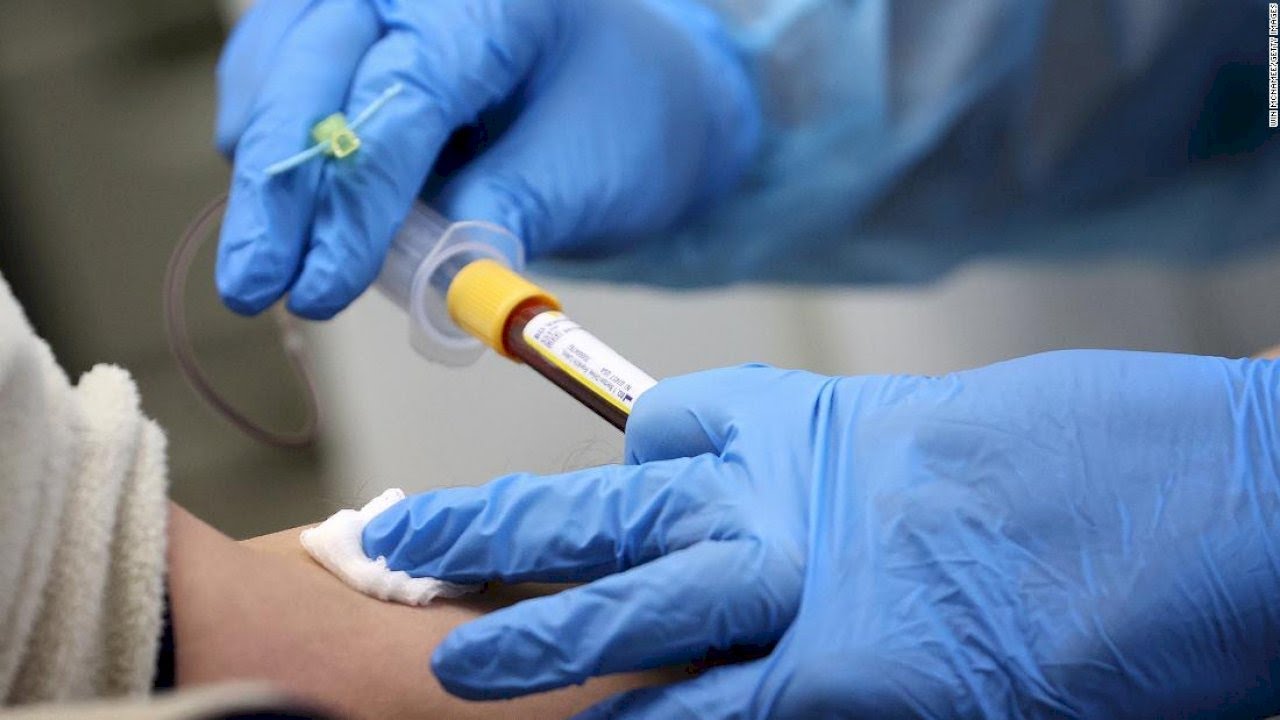
“The gun is broken” he said, as he stormed away frustrated that each shot landed differently. After giving him a few minutes to collect his thoughts, we discussed what happened. I told him the gun is new and we dont know how it behaves yet. We shouldnt be surprised that there are some kinks to work through but the more we shoot it the better we will understand how it performs. A day later, and with much patience, every shot was clustering tightly on the target. A similar narrowing in on the target has been playing out as studies have emerged on the bodys immune responses to Covid-19. We are still at the stage of sighting-in a new gun; the shots are landing across the target and people are becoming frustrated by the lack of agreement within the scientific community. Countless questions continue to be asked:Do Covid-19 antibodies protect us from reinfection? Are they persistent long after recovery or do they wane fast? And what does this mean for the development of a vaccine?These questions resounded in early April as the first antibody data started emerging. After reading an early article on antibody testing, I wrote a note to my undergraduate class in an online forum which I titled “this is terrible news, tell me why. ” The paper clearly showed that people who had recovered from infection where producing antibodies against the virus, but that was not my concern. It was troubling that the antibodies peaked, but then rapidly diminished in concentration — so much so that if the reduction followed in a linear fashion, within 120-150 days you would have no protective antibodies left. This suggested that patients who had recovered from Covid-19 could be reinfected and get sick all over again. Antibody-induced immunity lasting six months to a year is what we often observe with the human coronaviruses which cause the common cold. If this early study was to be trusted in full, this truly would be terrible news. Another article describing quickly diminishing