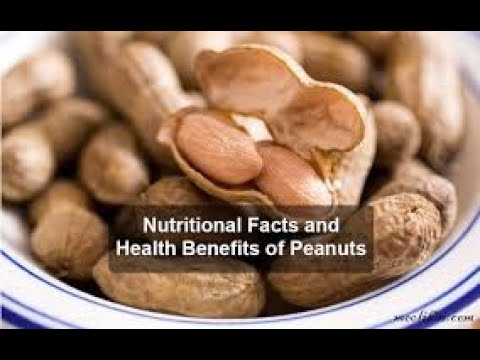
Today lets talk about PEANUTS
Peanuts have a strong nutritional profile. They are an excellent source of plant-based protein, fiber, and many key vitamins and minerals.
Peanuts come in many forms, including roasted, salted, chocolate-coated, and as peanut butter. Different types have different nutritional profiles and various health benefits.
Along with their healthful nutritional profile, peanuts are a calorie-rich food, so they are most healthful when enjoyed in moderation.
In this article, we provide the nutritional profile of peanuts, their health benefits, and how different types compare.
In addition to being every kid’s (and many grownup kid’s) favorite sandwich filling, peanuts pack a serious nutritional punch and offer a variety of health benefits.
Your Heart Will Go Nuts for Peanuts
Peanuts are rich in monounsaturated fats, the type of fat that is emphasized in the heart-healthy Mediterranean diet. Studies of diets with a special emphasis on peanuts have shown that this little legume is a big ally for a healthy heart. In one such randomized, double-blind, cross-over study involving 22 subjects, a high monounsaturated diet that emphasized peanuts and peanut butter decreased cardiovascular disease risk by an estimated 21% compared to the average American diet.
In addition to their monounsaturated fat content, peanuts feature an array of other nutrients that, in numerous studies, have been shown to promote heart health. Peanuts are good sources of vitamin E, niacin, folate, protein and manganese. In addition, peanuts provide resveratrol, the phenolic antioxidant also found in red grapes and red wine that is thought to be responsible for the French paradox: the fact that in France, people consume a diet that is not low in fat, but have a lower risk of cardiovascular disease compared to the U.S. With all of the important nutrients provided by nuts like peanuts, it is no wonder that numerous research studies, including the Nurses’ Health Study that involved over 86,000 women, have found that frequent nut consumption is related to reduced risk of cardiovascular disease.
This information is solely for informational purposes. IT IS NOT INTENDED TO PROVIDE MEDICAL ADVICE.
The publication of this information does not constitute the practice of medicine, and this information does not replace the advice of your physician or other health care provider. Before undertaking any course of treatment, the reader must seek the advice of their physician or other health care provider.
HEALTH IS WEALTH!