All the videos, songs, images, and graphics used in the video belong to their respective owners and I or this channel does not claim any right over them.
Copyright Disclaimer under section 107 of the Copyright Act of 1976, allowance is made for “fair use” for purposes such as criticism, comment, news reporting, teaching, scholarship, education and research. Fair use is a use permitted by copyright statute that might otherwise be infringing.
Disclaimer: The materials and the information contained on our channel are provided for general and educational purposes only and do not constitute any legal, medical or other professional advice on any subject matter. These statements have not been evaluated by the FDA and are not intended to diagnose, treat or cure any disease. Always seek the advice of your physician or other qualified health provider prior to starting any new diet or treatment and with any questions you may have regarding a medical condition. If you have or suspect that you have a medical problem, promptly contact your health care provider.
1)Magnesium
It is an inorganic compound naturally found in dark green vegetables, nuts and whole grains.
A study published in the Second Division of Internal Medicine, Iwate Medical University Japan shows that Magnesium plays a key role in a wide range of cellular reactions among patients with ischemic heart disease.
2)Resveratrol
These plant-based compounds also called polyphenols are powerful antioxidants. A clinical abstract published in the Molecular Aspect of Medicine list that it has cardioprotective and vasoprotective properties as shown in the decrease in LDL cholesterol and platelet aggregation among test subjects.
3)Vitamin D
It belongs to a group of fat soluble vitamins which helps to regulate the absorption of calcium, magnesium and phosphate in the body. Naturally produced by the body when exposed to sunlight, it keeps our immune system healthy and support other biological functions. A study published in the European Heart Journal shows that Vitamin D deficiency is linked to heart failure patients. The study suggest Vitamin D supplements may be helpful in reducing mortality risks among these population.
4)Zinc
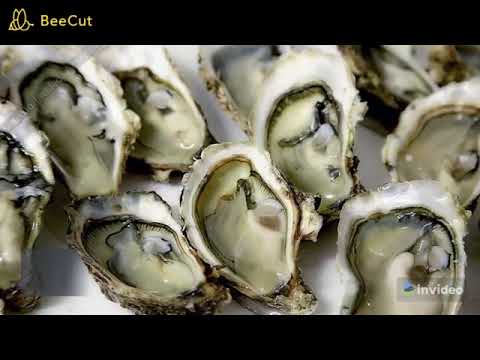
This key trace mineral found abundant in oysters helps in monitoring cellular structure and essential metabolic functions as well as in gene expression and cell growth. It has potent antioxidant properties which fight free radicals that causes harm to our bodies. A clinical study published by the University of St. Andrews shows Zinc plays a crucial part in regulating contractility of the heart muscle and its how its imbalance may lead to heart failure and fatal arrythmias.
5)Omega-3 Fatty Acids
A study done in the University of Maryland Medical Center shows Omega-3 fatty acids may help in slowing plaque deposition in the arterial walls and eventually help in its reduction. Taking supplements of these unsaturated fatty acids raises HDL levels and lowers triglycerides in the blood thus keeping your body cholesterol at bay.
6)CoQ10 (CoEnzyme Q10)
This enzyme is found in the mitochondria (cell powerhouse) and plays a critical role in producing energy for the body. It can be seen in highest concentration in most meats, soybean products, fish and whole grains. However, low concentration of this enzyme from these food sources may require supplementation to get enough CoQ10.
7)Nattokinase
It comes from Natto which is fermented soybeans. Natto is a traditional food in Japan and contains Vitamin K2, probiotics and fiber. This combination together with nattokinase may help reduce high cholesterol levels and promote blood pressure control.
8)Spirulina
This superfood has powerful antioxidant and anti-inflammatory properties. It helps lower the bad LDL cholesterol and tryglycerides while increasing the good HDL cholesterol, reducing the risks of heart disease.
9)Chlorella
These are green freshwater algae and are packed with antioxidants, vitamins, minerals and omega-3 fatty acids. It contains Vitamin K2, an essential heart vitamin.
10)Garlic
A clinical study published by Memorial Sloan-Kettering Cancer Center shows that garlic has beneficial effect in fighting atherosclerosis and arterial plaque. Its active compound allicin is produced when its cloves are crushed and may help in lowering blood cholesterol level. It suppresses the liver enzyme responsible for cholesterol production, eventually lessening formation of plaque.