Read full article here:
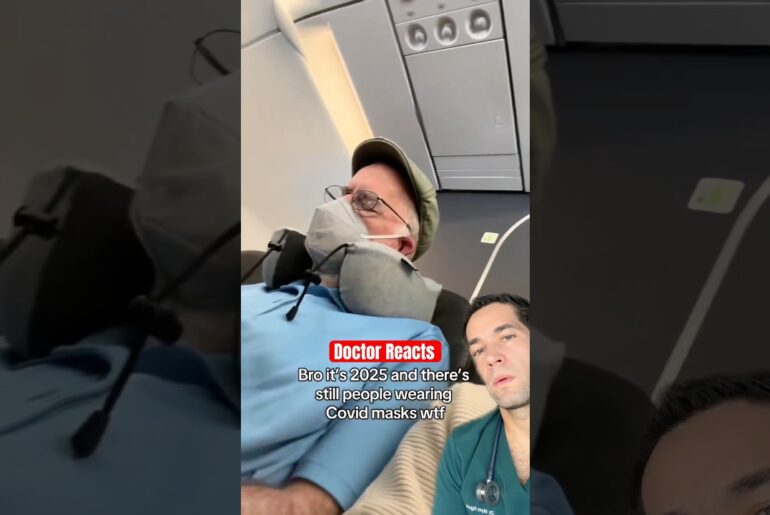
A young man has been diagnosed with coronavirus more than four months after he recovered from a first episode of the disease, suggesting that immunity to the virus can be short-lived and raising more questions about vaccines against Covid-19. The case in Hong Kong is the first lab-confirmed reinfection. Genetic sequencing by scientists at the University of Hong Kong established that the second episode, in an otherwise healthy young man, was caused by a slightly different strain. Researchers had hoped that the mans immune system would still have recognised and fought off the virus at the second encounter. Dr Kelvin Kai-Wang To and colleagues say people who have recovered from Covid-19 should not be assumed to be immune. They should still be offered vaccination, once it is available, and should also comply with mask-wearing and social distancing restrictions. Our findings suggest that Covid-19 may persist in the global human population, as is the case for other common-cold associated human coronaviruses, even if patients have acquired immunity via natural infection, they said in a statement. The 33-year-old man was unaware that he had caught the virus a second time. He was returning to Hong Kong from Spain on a flight via the United Kingdom. His infection was detected when he was tested on entry at Hong Kong airport on 15 August and was taken to hospital, where he remained until he was clear of the virus although at no point did he show symptoms. His first infection was in March, when he suffered from a fever, cough, sore throat and headache for three days, but recovered quickly. The researchers say they are certain this is a case of reinfection and not of the virus lingering in the body, not least because the first genetic sequence belonged to a different clade, or lineage, than the second. There have been rare reports of viral shedding, where the infection lingers notably in a pregnant woman in whom the virus was detected 104