Testosterone is vital to a person’s overall health.
A healthy level of testosterone can result in higher energy levels and increased strength.
It’s also the most important male sex hormone.
But as a person grows old, it’s natural for their testosterone levels to decline.
So, what are your options if you have low testosterone?
The best way to boost your testosterone is to do it naturally since taking medications always comes with risks.
Thankfully, adopting some lifestyle habits and changes are enough to make this happen.
Mundane things like getting enough sleep and staying active are two examples of natural ways to increase your testosterone.
Interested? Continue watching to know more about them and three other natural methods.
1. Get enough sleep
When you’re sleep-deprived, the hormones and chemicals essential for the body to function correctly are negatively affected.
According to a study, men who don’t get enough sleep had a drop in their testosterone levels.
Even after just a week of restricted sleep, the daytime testosterone levels can decline by up to 15%.
Hence, it’s crucial to make sleep a priority.
Aim for at least 7-8 hours of sleep every night.
2. Exercise
A study has found that the more active a person is, the more testosterone their body produces.
Most importantly, exercise is one of the most effective ways to prevent lifestyle-related illnesses.
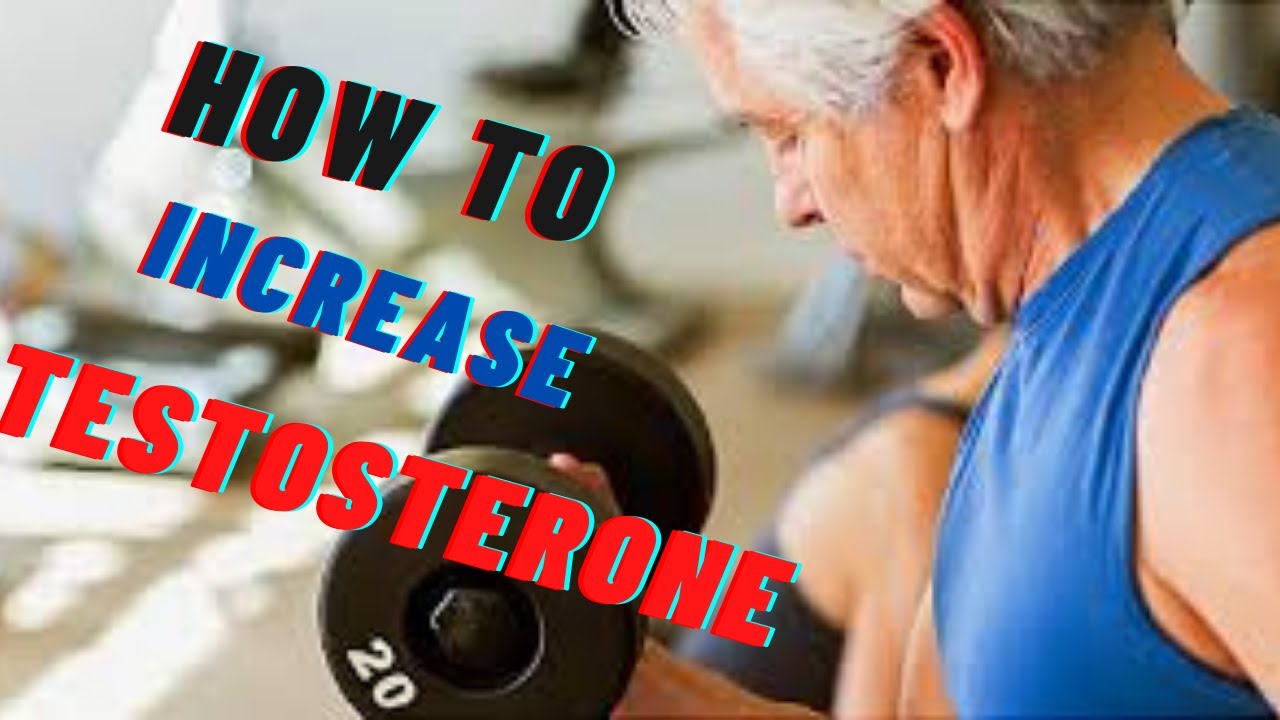
But going back to boosting your testosterone, exercises like weight lifting and resistance training are the best types both in the short and long-term.
While all exercises can increase your testosterone, HIIT training, and weight lifting are the most effective.
3. Eat protein and carbs
Diet also plays a massive role in your testosterone levels as well as other hormones.
As such, it’s essential to be mindful of your long-term calorie consumption and diet plan.
Protein, for instance, can help maintain healthy levels and promote fat loss, which is linked to a testosterone boost.
As for carbs, these can help optimize your testosterone levels during resistance training.
In a nutshell, a diet based mostly on whole foods is perfect with a healthy balance of protein and carbs.
4. Get some sun
Vitamin D supplements are popular these days.
But if you want a more natural way of getting a daily dose of vitamin D, then go out and expose yourself to sunlight for at least 14 minutes.
Vitamin D helps correct a deficiency and can increase your testosterone levels.
You can also incorporate foods high in vitamin D into your meals such as salmon, cereal products, and fortified milk.
5. Minimize stress
Unnatural elevations in cortisol, which are stress hormones, can reduce testosterone.
Cortisol and testosterone work like a seesaw.
When one goes up, the other comes down.
High cortisol levels can increase weight and the storage of harmful body fat around your organs.
As a result, your testosterone levels are adversely affected.
To optimize your hormone levels and overall health, minimize stress as much as possible.
Have a balanced diet, get enough sleep, and make sure to exercise regularly.
There are other natural ways to boost your testosterone.
If you know them, feel free to tell us by commenting below.
how to increase testosterone
how to increase testosterone naturally
how to increase testosterone levels in men
natural ways to increase testosterone
natural ways to increase testosterone levels in males
different ways to naturally increase testosterone
how to naturally boost
how to naturally boost testosterone
how to naturally boost your testosterone
increase testosterone
boost testosterone
how to naturally increase testosterone and masculinity
Please Support me with your Subscribe:
Please find below all the video sources
1-
2-
3-
4-
Disclaimer: The materials and the information contained on Healthy& Beauty channel are provided for general and educational purposes only and do not constitute any legal, medical or other professional advice on any subject matter. These statements have not been evaluated by the FDA and are not intended to diagnose, treat or cure any disease. Always seek the advice of your physician or other qualified health provider prior to starting any new diet or treatment and with any questions you may have regarding a medical condition. If you have or suspect that you have a medical problem, promptly contact your health care provider.