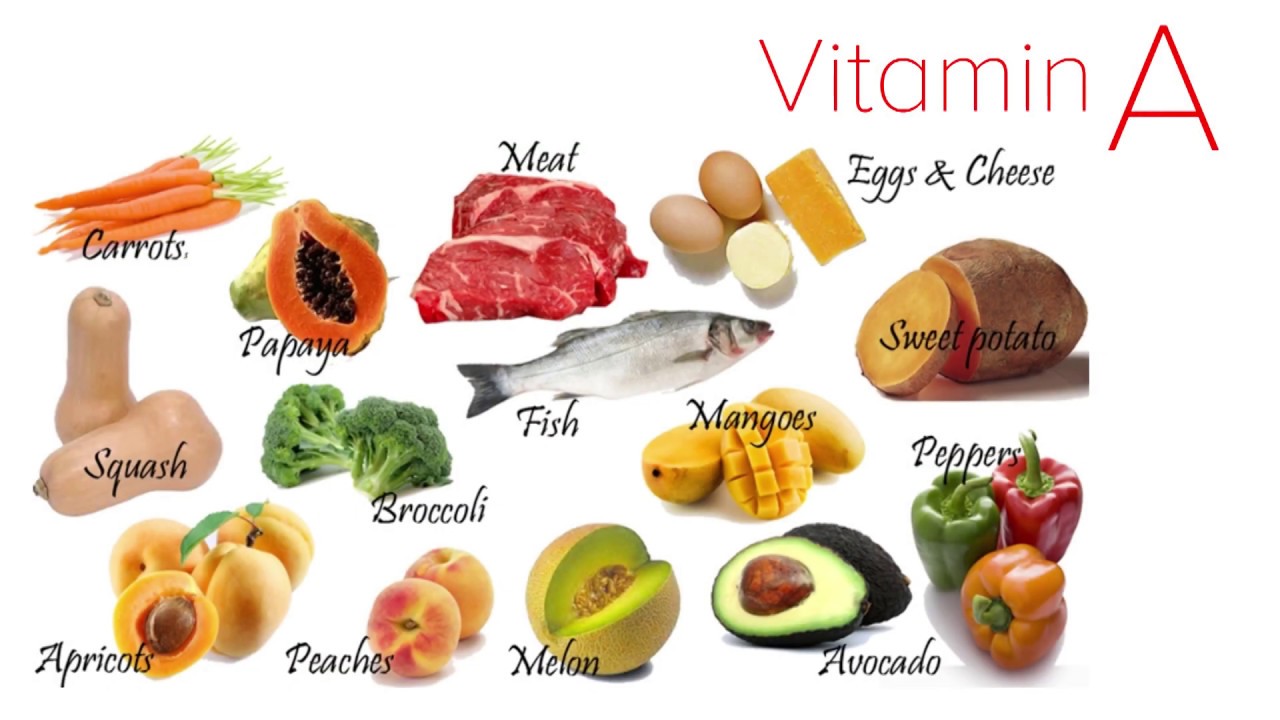
Vitamin A
1. Atrophy of lacrymal glands of the eye and reduction in tear secretion
2. Corneal epithilium becomes red and dry (xerosis). It may also become wrinkled and Keratinised (xeropthalmia). Appearance of Bitot’s spot in the cornea might happen.
3. Cornea may get necrosed and get infected (keratomalacia).
4. May cause night blindness (nyctalopia).
Vitamin D :
Defective calcification of bone, deficiency of vitamin-D, causes rickets in growing children and osteomalacia in adults.
Vitamin E :
Rare in human, sterility in experimental animals.
Vitamin K :
1. Lack of vitamin K leads to defect in blood coagulation.
2. In humans, vitamins K deficiency leads to haemorrhagic manifestations.
Vitamin B1:
Gross deficiency of vitamins B1, leads to a condition known as beriberi. Beriberi affects nervous and cardiovascular systems.In children and infants the onset is acute.
Vitamin B2 :
Loss of appetite and other gastro-intestinal symptoms, soreness and burning of lips, mouth and tongue. Fissures appear at edges of the mouth.
Vitamin Niacin :
Its deficiency leads to pellagra. The principal symptoms of pellagra include mental changes, (dementia) dermatitis and stomatitis. The tongue becomes smooth, red and painful.
Vitamin B6: (Pyridoxine)
In human pyridoxine deficiency causes dermatitis around eyes, nose and behind the ears. Fissures appear above the lips and angles of the mouth.
Vitamin B12 :
Its deficiency causes pernicious anaemia, typical sore tongue and several neurological problems related to the spinal cord.
Vitamin C :
Its deficiency in the body leads to scurvy, a diseses charaterised by bleeding gums, loosening and falling out of teeth and intra muscular
haemorrages. In the absence of this vitamin the collagen and connective
tissue proteins are not synthesised properly.