Balanced nutrition for a healthy body and mind!
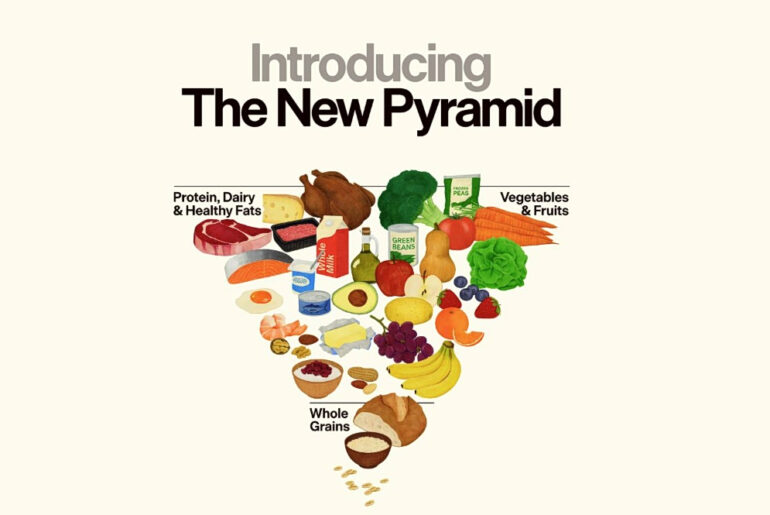
Go to choosemyplate.org for more information
Transcript: Hello, my name is Alli and I am a student at Nebraska Methodist College. Today I would like to talk to you about nutrition and how important it is for a healthy body and a healthy mind. As we age, healthy eating and a balanced diet can make a huge difference in our health from protecting yourself against chronic diseases such as heart disease or diabetes. Our daily eating patterns change as we get older so making small adjustments will help you enjoy your favorite foods while still getting all the nutrition your body needs. As your metabolism slows down, the body may not be able to absorb enough of the vitamin that your body needs to be healthy, so it’s important to eat a balanced diet. All of the information today comes from choosemyplate.org and is a helpful resource for you if you are having trouble figuring out what food groups you should be eating, or figuring out what nutrients your body needs.
Special nutrient needs for older adults are:
1. Calcium and Vitamin D to help maintain bone health and prevent osteoporosis. To meet these needs, eat about three servings of low-fat or fat-free dairy calcium-rich foods each day. Other sources of calcium are fortified cereals and fruit juices, dark green leafy vegetables, and canned fish. In order for your bones to absorb the calcium, your body needs vitamin D. Good sources of Vitamin D include fatty fish (salmon), eggs and fortified foods/beverages. If you take a calcium supplement or multivitamin, then choose one that contains vitamin D.
2. Vitamin B12 is an important nutrient for your body’s nerve and blood cells and will help prevent anemia. Foods that contain vitamin b12 are fortified cereal, lean meats and some fish/seafood.
3. Dietary Fiber- which is important for your digestive health and may help with lowering your risk for heart disease and Type II Diabetes. Eat whole grain breads and cereals, and more beans and peas, along with fruits and vegetables. Also, drink plenty of water.
4. Potassium- is one of the most important minerals in the body- it helps regulate fluid balance, muscle contractions, and nerve signals. It also helps reduce blood pressure and water retention, protects against stroke and prevent osteoporosis and kidney stones. Foods with potassium include fruits, vegetables, beans, and low-fat dairy products.
5. Fats- Not all fats are bad. The fats that you should eat are polyunsaturated and monosaturated fats, which are primarily found in nuts, seeds, avocados, vegetable oils and fish. Choose foods that are low in saturated fat and trans fat to help reduce your risk of heart disease.
Before you start taking any dietary supplements, please talk with your physician about your health. You may not be deficient in certain vitamins if you are eating a well-balanced diet. Eating right and staying fit with plenty of exercise will help your body and mind stay as happy and healthy as possible. Thank you for listening!