
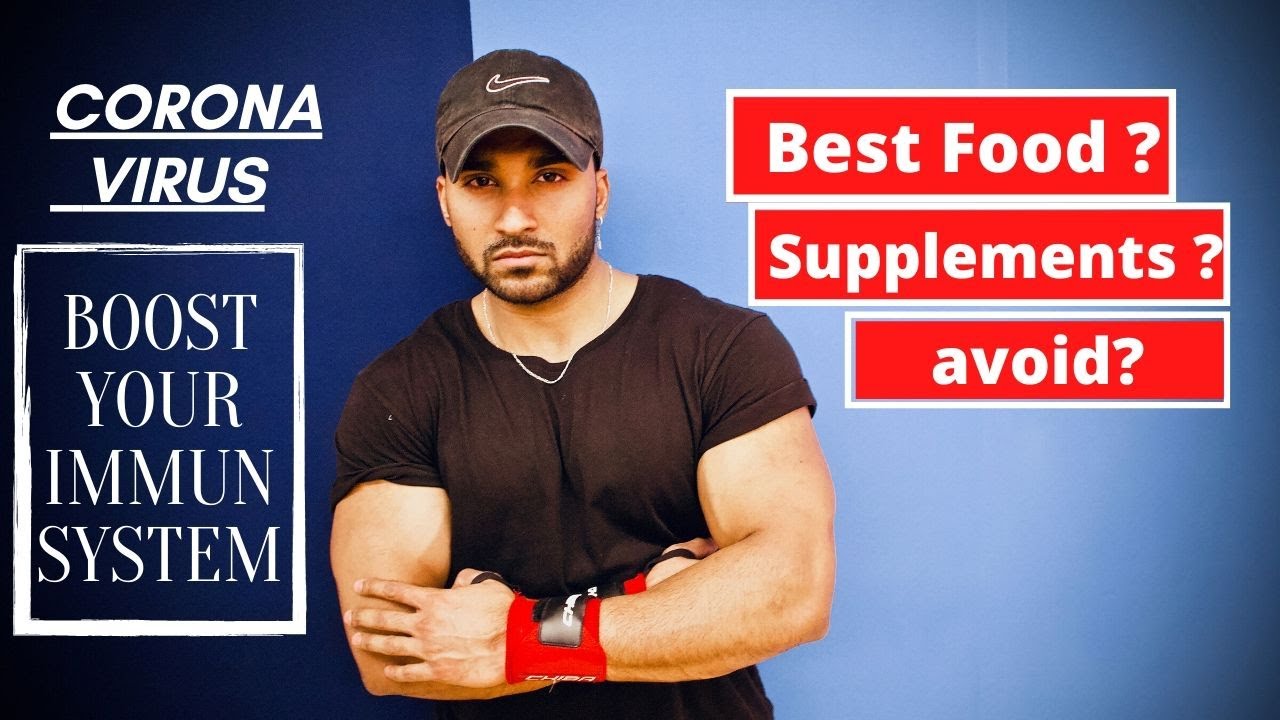
#Coronavirus #immunesystem #news
Note: Please watch the whole video to get the proper details, for the character limitation of the youtube description, I couldn’t provide the whole details, so I suggest you to watch the whole video.
Subscribe to catch all the new updates :
Watch my most popular science videos:
Can your immune system stand up against the coronavirus? Watch this video to find out what you need to know about this pandemic.
DATA:
Today we’re going to talk about coronavirus susceptibility and susceptibility to other viruses.
Two things happen when you have nutritional deficiencies:
1. It weakens your immune system
2. It makes viruses stronger
If we take a look at the fatality rate of the coronavirus pandemic and age, the fatality rate is much higher as the age group gets older. For example, people in their 80s and older may have a higher risk of death than people in their 50s and younger. COVID-19 also has a much lower fatality percentage than other viruses like ebola SARS and MERS.
Key nutrients for viruses:
1. Vitamin C
2. Zinc
3. Vitamin D
Vitamin C.
Vitamin C is a water-soluble vitamin that is vital to the function of white blood cells that help to fight infections, and overall immune system health. Vitamin C is also important for iron absorption, and being deficient in iron can make you more vulnerable to infections in general.
The normal, recommended daily intake of vitamin C for adults from the diet and/or supplements is 75 to 120 mg. You can get about 80 to 90 mg from a cup of orange juice or sliced orange, or even more from kiwi fruit, or a cup of sweet peppers.
Zinc.
Zinc has become one of the most popular suggestions for reducing symptoms of coronavirus.
There have been conflicting results about the effect of zinc on the severity and duration of cold symptoms.
Some studies showed that zinc reduces the duration of a cold by half, while others showed no effect. Another study found that the type of zinc taken determined the result—zinc gluconate lozenges that provided 13.3 milligrams (mg) of zinc lessened the duration of colds, but zinc acetate lozenges that provided 5 mg or 11.5 mg of zinc did not.
So what is my recommendation for taking Vitamin D?
The best thing to do is check with your doctor to see if you might have low vitamin D, and if it is low, you’ll def need to get more vitamin D, especially during the winter months.
vitamin D doesn’t affect these viruses themselves. Instead, it affects our immune systems.
Viruses are everywhere. One liter of seawater contains over 100 billion viruses. So, it really all comes down to susceptibility.
The purpose of a virus is to deliver its DNA or RNA into the host cell to be copied so it can continue.
Viruses go through 5 stages:
1. They attach to the cell wall (this is easier for it to do if you’re susceptible)
2. They penetrate the cell wall
3. They go into the nucleus and replicate
4. They assemble
5. They are released
Some viruses go dormant and wait until you’re older, weakened, nutritionally deficient, or stressed, and then they come out. This could be why many people get a virus outbreak during stress states. Certain viruses can also activate the release of sugar.
Susceptibility factors:
1. Age
2. Nutritional deficiencies
3. Genetics
4. Weak immune system
5. Chronic disease
6. Stress
Does colder temperature make you more prone to getting a cold? Or COVID-19?
Most health experts agree that when it’s cold, people spend more time indoors and in close contact with other people, and this likely increases the spread of germs.
Also, experts believe that our immune system may be more active when our body is warmer, as in during the summer months.
Back in 2007, there was this study…
In this one particular study looking at the spread of the influenza virus, they put guinea pigs together in a chamber and carried out different environmental experiments on them. They found that low relative humidities of 20%–35% were most favorable for infection, while the transmission was completely blocked at high humidity of 80%.
They also found that when guinea pigs were kept at 5 °C, transmission occurred with greater frequency than at 20 °C, while at 30 °C, no transmission was detected.
The authors concluded that low relative humidities produced by indoor heating and cold
temperatures favored the spread of the influenza virus.
Help SUPPORT the channel by:
Follow me on social media:
INSTAGRAM ‣
FACEBOOK ‣