All about Multivitamin for Young Women and Teens – One A Day
Disclaimer: This website is for educational functions only. Constantly inspect the real item label in your possession for the most accurate ingredient information due to product modifications or upgrades that may not yet be assessed our website. These declarations made in this website have actually not been evaluated by the Fda.
The federal government presently recommends supplementing with 10mcg (400 IU) of vitamin D daily for individuals at threat of vitamin D deficiency. People at risk are those who constantly cover their skin, are of ethnic minority groups with dark skin (African, Afro-Caribbean and South Asian background). The suggestion for the basic population is to take 10mcg of vitamin D in autumn and winter.
A great deal of teens are now discovering pastimes which are mostly within, and for that reason their exposure to sunshine is lowered. It is easy to fill this shortage however with a multi vitamin for teens. If you’re searching for a kids’s vitamin d supplement shot: Or.
Throughout teenage years, children grow and develop rapidly therefore the body’s requirements for nutrients is high. With time at a premium, nutritional gaps in teens often exist as lots of teenagers simply do not make the ideal choices for their meals. These gaps in minerals and vitamins can be filled by selecting multivitamins for teenagers which supply well balanced levels of nutrients to support the requirements of teenage girls and young boys.
BetterYou DLux 1000 Vegan Vitamin D Daily … Wild Nutrition Food-Grown Daily Multi Nutrient Teenboy … Wild Nutrition Food-Grown Daily Multi Nutrient Teengirl … Floradix Epresat Liquid Multivitamin Solution supplies multivitamins … Nature’s Plus Power Teen for Her: Whether … 17.80 60-Chewable Tablets Nature’s Plus Power Teen for Him is … 17.80 60-Chewable Tablets Lamberts MultiGuard for Kids is among …
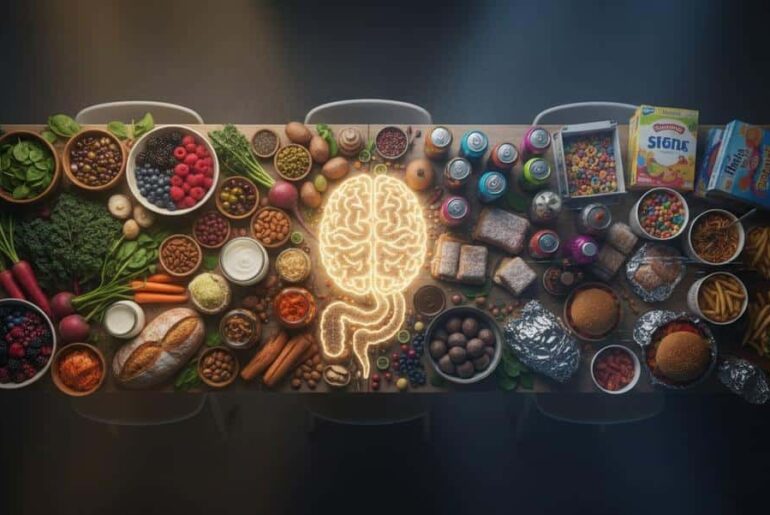
A healthy diet plan that offers the variety of vitamins, minerals, and nutrients is very important at any age, however is vital for kids and teens during their growing years in order to reach their physical, mental, and intellectual potential. Research studies show that 25% of the calorie intake amongst Canadian children and teenagers comes from food with a low dietary worth such as unhealthy snacks, sugars, and unhealthy fats.