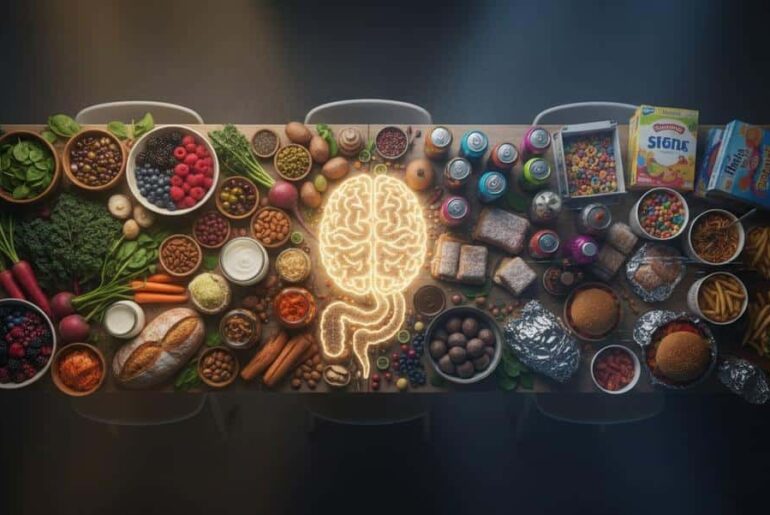
On the Occasion of world food Day, let’s discuss Importance of Nutrient-Rich Food for Our Body. The food we eat does a lot more than give us energy for us to go through the day. Food helps us regulate our metabolism, repair our body, circulates the blood inside our body, and provides us with nutrition for our body parts to function optimally. However, not all types of food can be beneficial for our body and well-being. Only the balanced diet helps us get the most out of our food while maintaining an active lifestyle.
The nutrients present in a healthy and balanced diet provide us with energy, which, in turn, repairs, grows, and regulates chemical processes in our body to keep us healthy and well.
There are six major nutrients found in our food: carbohydrates, protein, fat, vitamins, minerals, and water.
If you are looking to create a healthy and balanced diet plan for yourself, make sure to include the foods that are rich in the given nutrients. If you stick to a diet plan and incorporate physical activity in your daily routine, you can maintain a healthy lifestyle, reduce the risk of chronic diseases and promote overall well being.
FOOD: Any nourishing substance that is eaten or drunk. Food provides energy and promotes growth. Food gives NUTRITION.
NUTRITION: The process of taking food which helps in growth, metabolism and repair. And its about eating healthy and balanced diet.
BALANCED DIET: Diet that contains proper proportion of nutrients.
NUTRIENTS: Compounds in foods essential to life and health, providing us with energy, the building blocks for repair and growth and substances necessary to regulate chemical processes. There are six major nutrients.
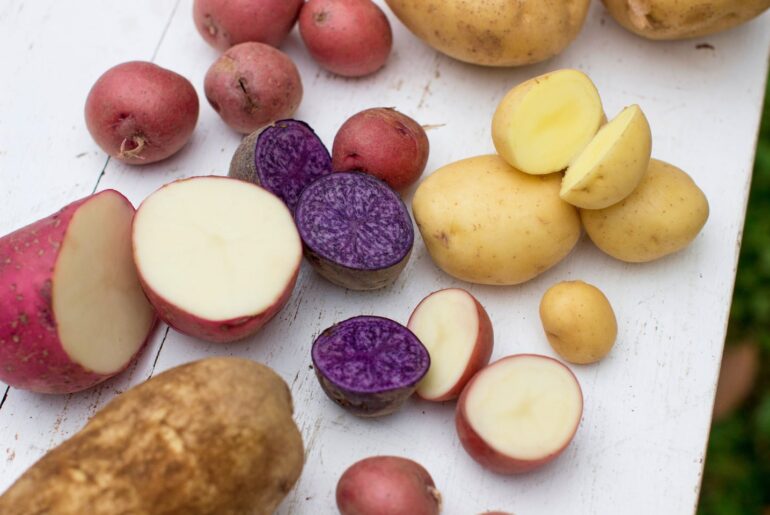
1. CARBOHYDRATES: Sources are pasta, rice, cereals, breads, potatoes, milk, fruit, sugar.
2. PROTEIN: Sources are meat, dairy, legumes, nuts, seafood and eggs
3. FAT: Sources are oils, butter, margarine, nuts, seeds, avocados and olives, meat and seafood.
4. VITAMIN: Common vitamins include the water soluble B group vitamins and vitamin C and the fat soluble vitamins A, D, E and K
Fruits and vegetables are generally good sources of Vitamin C and A and folic acid (a B group vitamin)
Grains and cereals are generally good sources of the B group vitamins and fiber
Full-fat dairy and egg yolks are generally sources of the fat soluble vitamins A, D and E
Milk and vegetable or soya bean oil are generally good sources of vitamin K, which can also be synthesised by gut bacteria
5. MINERALS: All foods contain some form of minerals.
Milk and dairy products are a good source of calcium and magnesium
Red meat is a good source of iron and zinc
Seafood and vegetables (depending on the soil in which they are produced) are generally good sources of iodine
6. Water: As a beverage and a component of many foods, especially vegetables and fruits.
You can maintain a healthy weight, reduce the risk of chronic disease and promote overall health with proper diet and physical activity.
What you feel today, tomorrow, and in the future depends on the food choices you make.
SO EAT BETTER , NOT LESS, NOT MORE
THANK YOU.
Get More Nutritional Consultation:
Official Website:
Facebook:
Instagram:
Twitter:
Call & WhatsApp
00 91 70250 25855
0091 85905 14122
0091 88671 54284