#EggNutrition #EggsInAyurveda #MayurSankhe #EggsHealthBenefits #Egg #Eggs
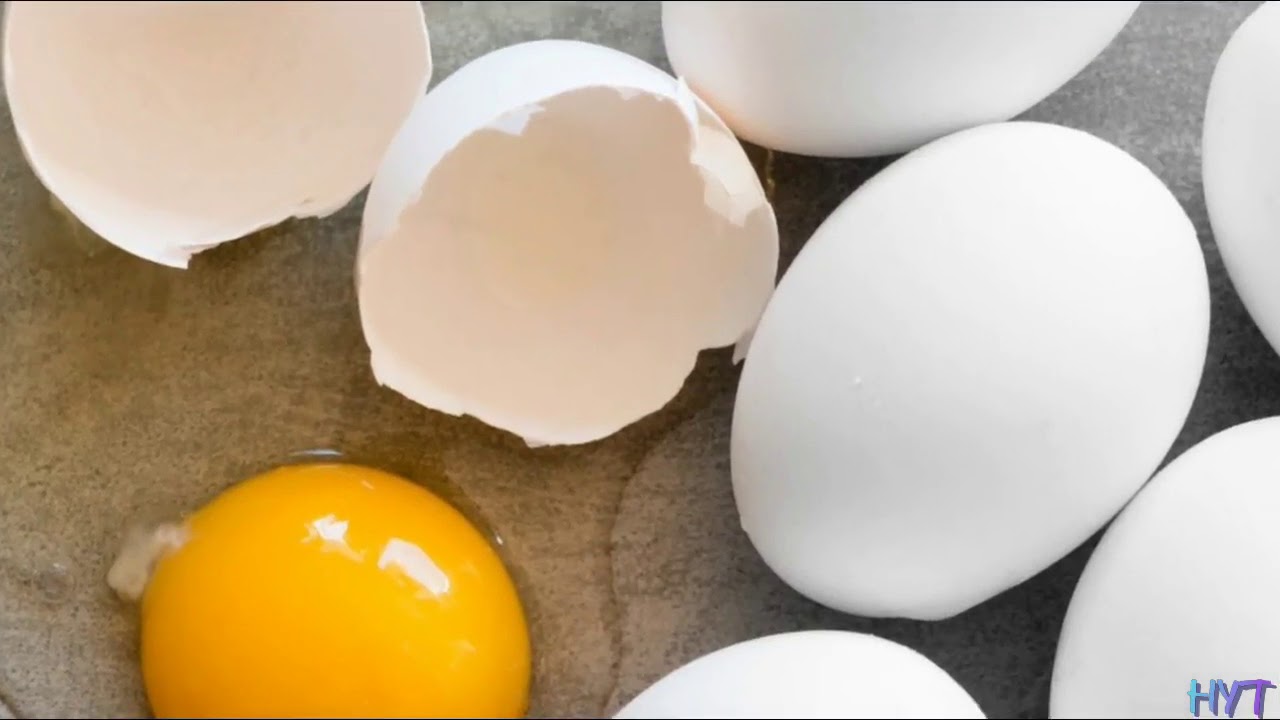
Both the white and yolk of an egg are rich in nutrients – proteins, vitamins, and minerals with the yolk also containing cholesterol, fat-soluble vitamins, and essential fatty acids. Eggs are an important and versatile ingredient for cooking, as their particular chemical make up is literally the glue of many important baking reactions. Since the domestication of the chicken, people have been enjoying and nourishing themselves with eggs. As a long time symbol of fertility and rebirth, the egg has taken its place in religious as well as culinary history. In Christianity, the symbol of the decorated egg has become synonymous with Easter. There are lots of different types of egg available, the most commonly raised are chicken eggs while more gourmet choices include duck, goose and quail eggs. Nutritional highlights Eggs are a very good source of inexpensive, high-quality protein. More than half the protein of an egg is found in the egg white along with vitamin B2 and lower amounts of fat and cholesterol than the yolk. The whites are rich sources of selenium, vitamin D, B6, B12 and minerals such as zinc, iron, and copper. Egg yolks contain more calories and fat. They are the source of cholesterol, fat-soluble vitamins A, D, E and K, and lecithin – the compound that enables emulsification in recipes such as hollandaise or mayonnaise. Some brands of the egg now contain omega-3 fatty acids, depending on what the chickens have been fed (always check the box). Eggs are regarded a ‘complete’ source of protein as they contain all nine essential amino acids; the ones we cannot synthesize in our bodies and must obtain from our diet.
thanks for watching my video