Blog Link –
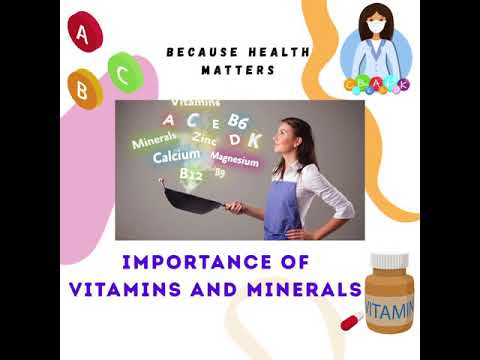
You’ve heard that vitamins and minerals are good for your health. You may have even seen the alphabet soup listed on your supplement bottle too. But what’s the difference between vitamins and minerals?
Vitamins are substances that the body needs to function. There are 13 essential vitamins, which can either be fat-soluble or water-soluble. Vitamins are found in a variety of foods or can be taken as a supplement.
Like vitamins, your body needs minerals to function. While there are only 13 essential vitamins, there are thousands of known minerals. Your body doesn’t necessarily need all of them, but it does need certain minerals to function properly.
Depending on the mineral, you might need large or small amounts. Also, minerals are found in a variety of foods.
Let me straight away ask you the first question before we proceed – Are You Getting What You Need?
Vitamins and minerals are essential nutrients because they perform hundreds of roles in the body. There is a fine line between getting enough of these nutrients (which is healthy) and getting too much (which can end up harming you). Eating a healthy diet remains the best way to get sufficient amounts of the vitamins and minerals you need.
Vitamins and minerals are considered essential nutrients—because acting in concert, they perform hundreds of roles in the body. They help shore up bones, heal wounds, and bolster your immune system. They also convert food into energy, and repair cellular damage.
But trying to keep track of what all these vitamins and minerals can be confusing. Read enough articles on the topic, and your eyes may swim with the alphabet-soup references to these nutrients, which are known mainly be their initials (such as vitamins A, B, C, D, E, and K—to name just a few).
In this article, you’ll gain a better understanding of what these vitamins and minerals actually do in the body and why you want to make sure you’re getting enough of them.
Just as a lack of key micronutrients can cause substantial harm to your body, getting sufficient quantities can provide a substantial benefit. Some examples of these benefits:
Strong bones. A combination of calcium, vitamin D, vitamin K, magnesium, and phosphorus protects your bones against fractures.
Prevents birth defects. Taking folic acid supplements early in pregnancy helps prevent brain and spinal birth defects in offspring.
Healthy teeth. The mineral fluoride not only helps bone formation but also keeps dental cavities from starting or worsening.
Vitamins
So far we know that vitamins are substances that are needed for normal cell function, growth, and development. Each vitamin plays an important role in the body. When you don’t get enough of a certain vitamin, you may become deficient.
Vitamin deficiency can cause health problems and may increase your risk of heart disease, cancer, and osteoporosis. Getting the right amount of vitamins can help boost your immunity and maintain optimal health.
There are 13 vitamins:
Vitamin A (retinol)
Vitamin C (ascorbic acid)
Vitamin D
Vitamin E (tocopherol)
Vitamin K
Vitamin B1 (thiamine)
Vitamin B2 (riboflavin)
Vitamin B3 (niacin)
Vitamin B5 (pantothenic acid)
Vitamin B6 (pyridoxine)
Vitamin B7 (biotin)
Vitamin B9 (folate)
Vitamin B12 (cobalamin)
Before we further understand Minerals, lets get the difference between vitamins and minerals
Although they are all considered micronutrients, vitamins and minerals differ in basic ways. Vitamins are organic and can be broken down by heat, air, or acid. Minerals are inorganic and hold on to their chemical structure.
So why does this matter? It means the minerals in soil and water easily find their way into your body through the plants, fish, animals, and fluids you consume. But it’s tougher to shuttle vitamins from food and other sources into your body because cooking, storage, and simple exposure to air can inactivate these more fragile compounds.
Interacting—in good ways and bad
Many micronutrients interact. Vitamin D enables your body to pluck calcium from food sources passing through your digestive tract rather than harvesting it from your bones. Vitamin C helps you absorb iron.
The interplay of micronutrients isn’t always cooperative, however. For example, vitamin C blocks your body’s ability to assimilate the essential mineral copper. And even a minor overload of the mineral manganese can worsen iron deficiency.
Minerals
Minerals are naturally occurring substances that are essential for building bones, making hormones, regulating your heartbeat, and supporting healthy muscles and brain function.
The bottom line? Eating a healthy diet is the best way to get your antioxidants
Finally, as always anything in moderation is always the best idea to follow for healthier and prolonged life. Keep your vitamins and minerals in balanced levels by consulting with your doctor/nutritionist.