Play on HD for better quality.
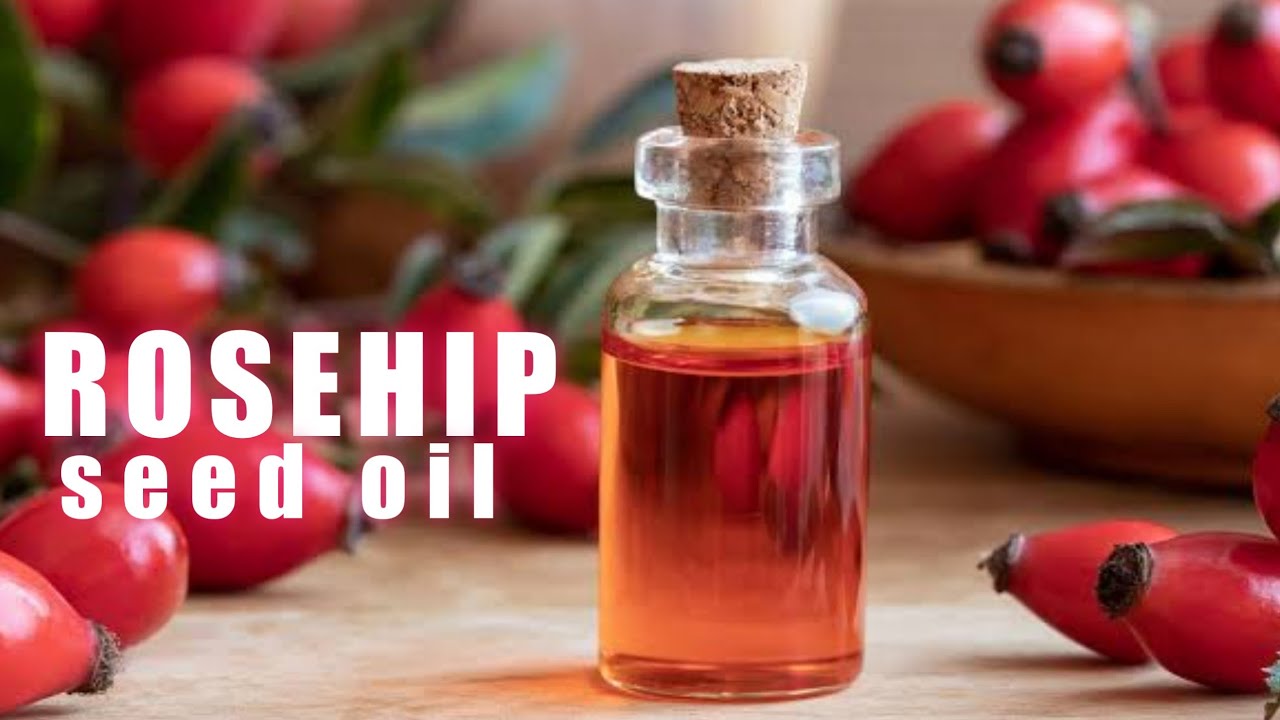
Rosehip seed oil is an excellent source of natural vitamin E and natural vitamin A, or trans-retinoic acid.
Retinoic acid, the acid derivative of vitamin A, is the active ingredient found in Retin-A or Tretinoin.
Retin-A, a pharmaceutical preparation has been heralded as a wrinkle cure because of its ability to increase skin cell proliferation or speed the time it takes for your skin to regenerate.
In fact, rosehip seed oil has been extensively studied for many of the same actions attributed to Retin-A, and has been shown effective without side effects like over-drying and peeling though unlike Retin-A, it should not be used to treat acne.
The first major study on rosehip seed oil was performed in 1983 by a team of researchers at the University of Santiago, Chile.
The study’s participants included individuals with diverse forms of skin damage: deep wrinkles and other premature aging, UV damage, radiation damage, acne scarring, burn scarring, dermatitis, and other problems of this type.
Rosehip seed oil was shown to have significant, noticeable effects in regenerating the skin, reducing wrinkles and scars, and helping the skin to regain its natural color and tone.
Another later study was conducted on women ages 25-35 with extensive premature aging of their skin.
Again, rosehip seed oil significantly reduced the appearance of wrinkles and sun spots after daily application for four months.
Research has continued on the oil, with one study noting:
On some skin troubles like superficial wrinkles, chestnut spots and ephelides, good results have been obtained.
After 16 weeks of treatment, wrinkles and spots become imperceptible.
The oil has been used to successfully treat a long list of skin related conditions, including: age spots, wrinkles and premature aging, sun damage, scars from acne, burns, and surgery, eczema, psoriasis, dermatitis, hyper-pigmentation, brittle nails, and even dry and damaged hair.
Besides its regenerative properties, rosehip seed oil is also an excellent moisturizer.
This is most likely due to its high essential fatty acid content fatty acids that the body cannot produce itself, which are necessary for healthy skin.
The oil penetrates the upper layers of the skin quickly and, being known as a dry moisturizer, does not leave the skin feeling greasy or oily.
As for daily use of rosehip seed oil, it is considered extremely gentle and can be applied undiluted to the skin.
It may also be blended with other oils like jojoba and sweet almond, and will still have wonderful effects at 10% of the total concentration.
Further, rosehip seed oil makes an excellent carrier oil for aromatherapy blends with essential oils having skin regenerative and soothing properties are highly recommended.
For improvement of scarring, a simple blend of 20 drops of Helichrysum Italicum per 1 ounce of rosehip seed oil, applied daily to the area, can be helpful.
Helichrysum is known for its content of regenerative ketones.
For a more luxurious beauty blend, try the following in 4 ounces of rosehip seed:
5 drops Helichrysum.
5 drops Lavender.
3 drops Sandalwood.
3 drops Neroli.
3 drops Carrot Seed.
3 drops Geranium.
2 drops Roman Chamomile.
2 drops Jasmine.
1 drop Palmarosa.
1 drop Ylang Ylang.
Even simply the Helichrysum and Lavender will go a long way Lavender oil is very gentle, and is also known to have regenerative properties.
So, whether using rosehip seed oil for healing your skin, or simply giving it a little nourishment, you will almost certainly be happy with the results.
This luscious oil, with its broad range of positive effects, is sure to take a prominent place in your natural beauty botanical collection.
Subscribe to anywhere care:
Connect to our Social Media:
———————————————————
Creative Commons Attribution 3.0 Unported License
Disclaimer: The materials and the information contained on anywherecare channel are provided for general and educational purposes only and do not constitute any legal, medical or other professional advice on any subject matter. These statements have not been evaluated by the FDA and are not intended to diagnose, treat or cure any disease. Always seek the advice of your physician or other qualified health provider prior to starting any new diet or treatment and with any questions you may have regarding a medical condition. If you have or suspect that you have a medical problem, promptly contact your health care provider.