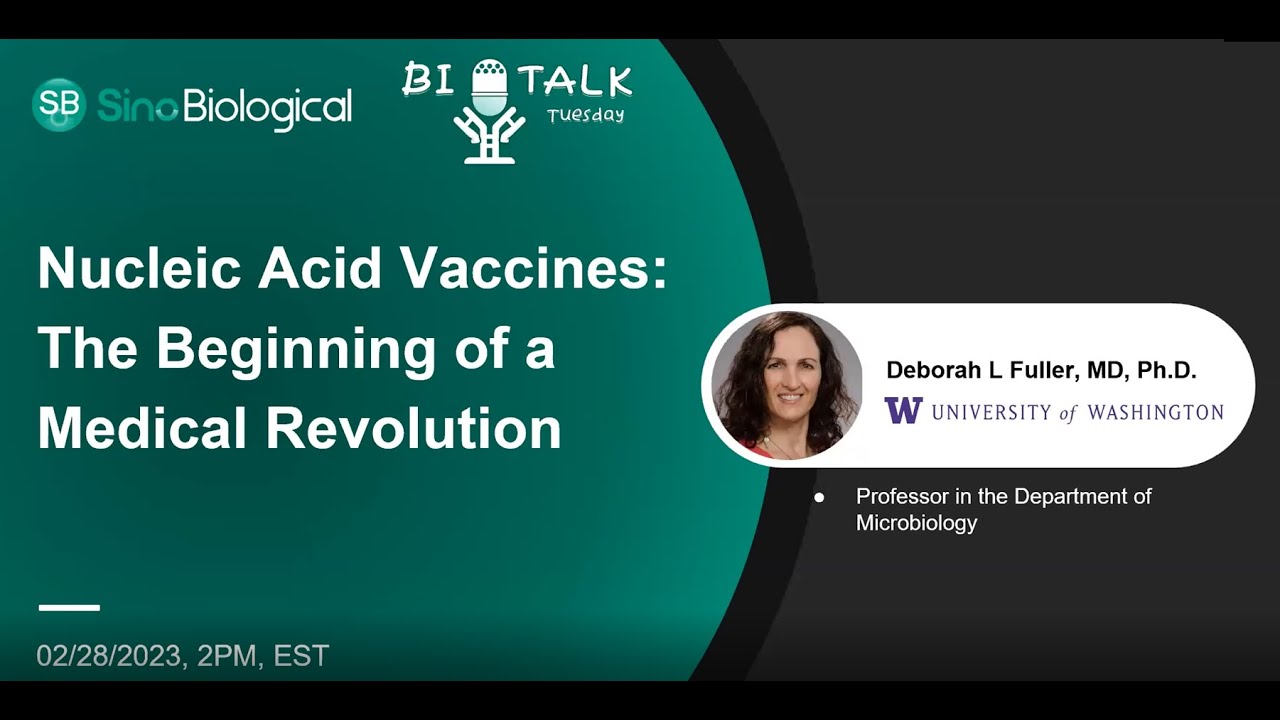
The COVID-19 pandemic brought mRNA vaccines to the forefront and realized, for the first time, their promise of providing a more rapid response to emerging infectious diseases than traditional vaccines. Ideally, vaccines of the future will not only be quick to develop but offer long-term stability at warm temperatures to overcome the barriers of the cold chain for worldwide distribution, achieve a high-level efficacy in the immune-compromised and elderly, induce durable immunity in as few doses as possible
and be capable of self-administration. Our lab is developing a second generation of nucleic acid (DNA and RNA) vaccines to address many of these gaps. Through novel immunogen design, innovative
delivery, and formulations, the incorporation of genetic adjuvants, and combination approaches, we have developed new nucleic acid-based vaccine strategies that induce robust cellular and mucosal immune
responses in addition to broad antibody responses that could further revolutionize vaccination by providing more effective and durable protection not only from coronaviruses but also influenza and other emerging infectious diseases.
Key learnings:
Learn the history of how nucleic acid vaccines (DNA and RNA vaccines) got started and how DNA and RNA vaccines are similar and different.
Know how nucleic acid vaccines work, how they are traditional vaccines, and why they emerged as the most effective strategy to fight the COVID-19 pandemic
Learn about strategies currently in development to improve nucleic acid vaccines and how they may be a game changer to prevent the next pandemic, protect from other infectious diseases,
immunotherapies and cancer.