💌 Daily Podcast Knowledge Delivered Into Your Inbox: https://podcastnuggets.substack.com
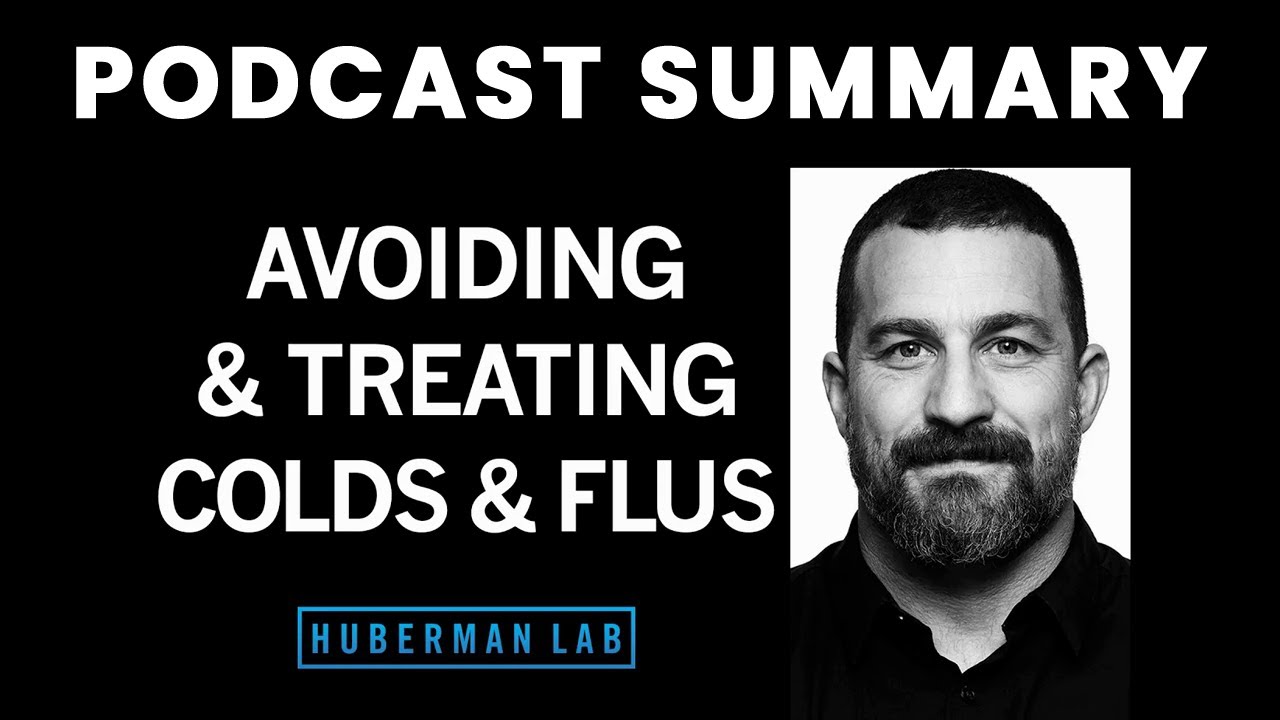
In this episode of the Huberman Lab podcast, Andrew Huberman delves into the topic of colds and flu, providing insights into what they are, how they impact the body and brain, and how to avoid and treat them.
Full episode: https://youtu.be/AtChcxeaukQ
Summary article: https://podmarized.com/episodes/huberman-lab/how-to-boost-your-immune-system-to-prevent-colds-flu
#cold #flue #virus #immunesystem
In this episode of The huberman Lab podcast Andrew huberman delves into the topic of colds and flu providing insights into what they are how they impact the body and brain and how to avoid and treat them huberman explains that the common cold is caused by a variety of viruses known as rhinoviruses
With over 160 different types this diversity makes it challenging to develop a cure for the common cold the cold virus is spread through breathing sneezing and contact with infected surfaces it can survive on surfaces for up to 24 hours making it important to avoid touching the face especially the eyes to prevent
Infection he emphasizes that people are most contagious when they feel at their worst and it’s a myth that they are no longer contagious after a few days of symptoms the immune system plays a crucial role in determining whether an individual will catch a cold after exposure to the virus huberman also
Shares his personal experience of tracking his activities before getting sick to identify patterns that may lead to cold or flu infections the flu caused by different types of influenza viruses is categorized into a b and c types the flu virus can only survive on surfaces for about 2 hours making human-to-human
Contact the primary mode of transmission huberman discusses the effectiveness of flu shots which are designed to combat specific strains of the flu virus he also highlights the importance of understanding one’s susceptibility to the flu based on their environment and interactions huberman explains that individuals Can Shed the flu virus 24
Hours before experiencing symptoms making them contagious even when they are not showing signs of illness the peak contagious period is during the 3 days when the individual feels the worst with fever coughing and sneezing he emphasizes the importance of understanding the immune system’s role in preventing infection and the need to
Bolster its three major lines of Defense the first line of defense in the immune system is the physical barriers such as ey the skin mucosal lining of the nose and mouth and other bodily fluids which provide protection against viruses and bacteria huberman explains that the skin can antiviral substances and acts as a
Crucial barrier to prevent the entry of pathogens into the body the innate immune system is a generalized response system that deploys a basic set of neurochemicals to combat viruses it is not specific to a particular virus but responds to any virus bacteria or fungus that enters the body the Adaptive immune
System is the aspect of the immune system that recognizes specific viruses and produces antibodies to combat them it creates antibodies that match the shape of the virus allowing the body to neutralize the virus and maintain a memory of the battle for future encounters huberman discusses the importance of preventing the entry of
Viruses into the body particularly Through The Eyes nose and mouth he emphasizes the need to be mindful of touching the face after coming into contact with others as this can transfer viruses to the body he also highlights the role of the lymphatic system in filtering viruses and cells to combat
Infections the podcast delves into various factors that can impact the function of the immune system these include the importance of getting enough quality sleep engaging in specific types of exercise to bolster the immune system maintaining adequate nutrition and managing stress levels hberman emphasizes the importance of quality sleep in supporting the innate immune
System he explains that the ability to sleep at night can reduce the functioning of the immune system he also discusses the role of cortisol in activating natural killer cells and other aspects of the immune system huberman points out that while cortisol is often associated with stress it is
Essential for immune system function he also highlights the negative impact of chronic stress and sleep deprivation on the immune system the podcast also delves into the relationship between the gut microbiome and the immune system huberman explains that the gut microbiome plays a crucial role in supporting the immune system he
Recommends consuming low sugar fermented foods to OTE the diversity of microbiota in the gut additionally He suggests a simple protocol of swishing water in the mouth before swallowing it to support the gut microbiome huberman also emphasizes the importance of nasal breathing in promoting a healthy nasal microbiome which can help combat colds
And flu viruses huberman discusses the impact of exercise on the immune system he explains that moderate to high-intensity exercise for 60 minutes or less can increase the output of the innate immune system however he warns against prolonged and intense exercise such as running a marathon as it can
Compromise the function of the immune system he recommends moderation in the duration and intensity of exercise to support immune system function He suggests consuming fruit within 45 minutes to an hour after exercise to support the innate immune system huberman discusses the potential benefits of vitamin C vitamin D and zinc
In preventing Ing and treating colds and flu he mentions that high doses of Vitamin C ranging from 6,000 to 8,000 mg per day May delay the onset of a cold or shorten its duration however he highlights that there is not strong evidence to support the use of high doses of vitamin C for
Immune system function huberman also discusses the importance of vitamin D in supporting immune system function and mentions that supplementing with 1,000 to 2,000 IU of vitamin D per day is likely safe for most people he explains that people who are vitamin D deficient may have diminished immune system
Function and are more prone to acute respiratory tract infections additionally huberman highlights the potential benefits of supplementing with zinc particularly in doses of 90 to 100 milligram per day in reducing the duration of a cold or flu huberman discusses the potential benefits of an acetal system Nik as a mucolytic and
Immune system support he shares his personal experience of using neack to alleviate congestion and pressure in the sinuses during a cold huberman also references a study that suggests ench May prevent symptomatic forms of influenza caused by the H1N1 virus he explains that Knack is a precursor to glutathione the master antioxidant and
May help reduce reactive oxygen and nitrogen species that increase under conditions of infection huberman also discusses the benefits of deliberate heat exposure particularly sauna sessions in increasing the activity of the innate immune system he explains that sauna sessions can lead to an increase in cortisol concentration which promotes the activity of the
Innate immune system