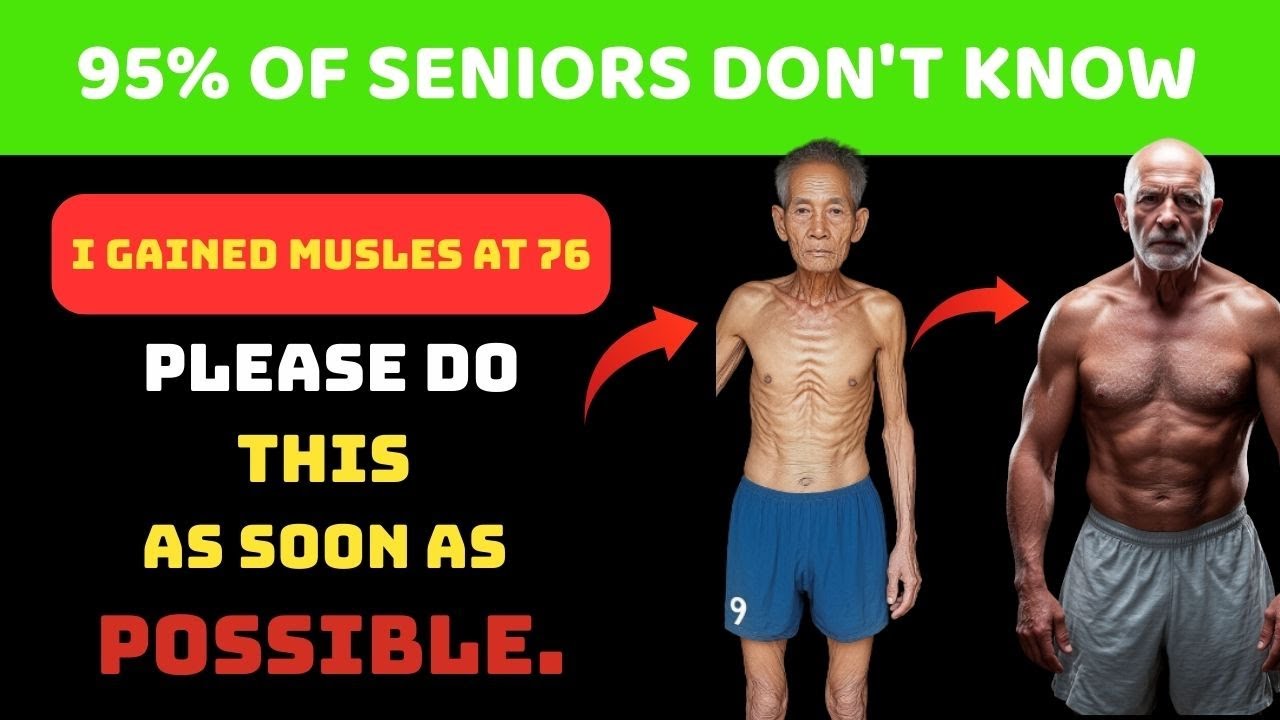
Seniors, Your Muscles Are Wasting Away Without This One Essential Vitamin | Senior Wellness Tips
🎬 Cinematic Subtitle: “The Missing Nutrient That Could Be Costing You Your Strength”
💪 Are you feeling weaker, losing strength, or struggling to stay active as you age? You may be missing one essential vitamin that’s critical to keeping your muscles from wasting away. At Senior Wellness, we reveal the overlooked nutrient that could restore your energy, power, and independence.
⚠️ Muscle loss in seniors isn’t just “part of aging”—it’s often a sign of deficiency. This one vitamin plays a vital role in maintaining muscle mass, balance, and daily mobility. Without it, your body can’t repair or rebuild muscle properly—leading to weakness, fatigue, and even increased fall risk.
At Senior Wellness, we don’t just talk about health—we give you the tools to take it back.
👉 In this video:
What this key vitamin is and why it matters.
Signs you might be deficient.
How to safely get more of it through diet or supplements.
📣 Are you taking this vitamin already? Let us know in the comments how it’s helped—or if you’ve noticed muscle weakness lately. Let’s help one another in the Senior Wellness community.
💬 What’s your biggest challenge when it comes to staying strong after 50? Share it below—we’re listening.
✅ Like, Subscribe & turn on Notifications to get weekly updates from Senior Wellness—your trusted partner in staying strong, healthy, and confident.
✨ Stay independent, stay powerful—with Senior Wellness.
#SeniorWellness #SeniorHealth #MuscleLossInSeniors #EssentialVitamins #VitaminDeficiency #MuscleWasting #HealthyAging #StayStrongAfter50 #MuscleSupport #WellnessOver50 #SeniorNutrition #SupplementsForSeniors #SarcopeniaPrevention #MuscleStrength #MobilityOver50 #SeniorCareTips #BoneAndMuscleHealth #EnergyOver50 #HealthyLivingSeniors #SeniorSupport #AgeGracefully #SeniorFitness #VitaminsForStrength #StopMuscleLoss #BestVitaminsForSeniors #VitaminForMuscleRepair #RebuildMuscleNaturally #Over50Wellness #SeniorWellnessTips #StrongBodyStrongLife #NaturalHealthSeniors
It’s quite surprising, but by the age of 70, many individuals may have unknowingly lost as much as 40% of their muscle mass. It’s a concerning reality that this quiet deterioration of muscle, referred to as sarcopenia, is currently affecting millions of older adults. It often lacks clear warning signs, gradually infiltrating daily life, and making routine tasks such as climbing stairs, carrying groceries, or simply rising from a chair increasingly challenging over time. And this is the aspect that often goes unnoticed by many. Older adults who undergo considerable muscle deterioration are at a 320% increased risk of encountering mobility challenges which can frequently result in the need for wheelchairs, assisted living arrangements, or a total loss of independence. The rapid decline in muscle mass frequently intensifies after the age of 65. Yet, it remains a common misconception among many health care professionals that this is simply a normal aspect of aging. However, the reality is that it’s not solely a matter of age. It’s preventable and often it’s linked to factors that can be addressed through proper nutrition. Researchers have pinpointed six crucial vitamins and nutrients that many seniors lack and the absence of even one could be accelerating muscle loss on a daily basis. A significant portion of older adults up to 78% are found to have critically low levels of a specific nutrient which is alarmingly undertested. In this video, we will uncover the six vital vitamins and nutrients that research indicates can not only help slow muscle loss, but can also reverse it, even for those in their 70s and 80s. If you or a loved one is over 60, this might be one of the most crucial videos you view this year. Be sure to stick around until the end as the first nutrient we’ll discuss has demonstrated the ability to enhance muscle function in 87% of older adults within just 14 days. However, it continues to be neglected by the majority of health care professionals. Let’s take a moment to pause before we dive in. Hit the subscribe button and turn on notifications if you’re focused on your well-being, as this is where we uncover the insights that often go unspoken. I would like to understand if you are in agreement with me. If you’re currently viewing this and if this video speaks to you, please type one in the comment section. If that’s not the case, please enter zero. Let’s begin our journey. Number six, CoQ10, the energizing powerhouse for muscles. It’s fascinating to note that a crucial compound for maintaining muscle strength in seniors diminishes with age. And this depletion can accelerate if you’re on widely used medications such as statins. CoQ10 is essential for your muscles as its absence can hinder their ability to generate the energy required for strength, stability, and resilience. Many older adults remain unaware of the decline in their levels or the straightforward methods available to restore them. Although CoQ10 is not classified as a vitamin, it is crucial for energy production within your muscle cells. It resides in the mitochondria, the energy producing centers of your body, where it plays a crucial role in generating ATP, the primary fuel that your muscles rely on for contraction, lifting, and movement. However, there is a concern to address. As we age, our levels of CoQ10 naturally decrease with research indicating that this reduction can be as much as six by the time we reach our 70s. If you are taking statin medications, which many older adults do for cholesterol management, the depletion can become significantly more pronounced. This is a significant concern as insufficient levels of CoQ10 can lead to muscle weakness, a drop in energy levels, and even simple tasks such as climbing stairs arising from a chair can become tiring. Interestingly, more than 60% of older adults taking statins experience muscle pain, fatigue, or weakness. These symptoms are frequently misattributed to the aging process when they could actually indicate a deficiency in CoQ10. However, there is positive information to share. CoQ10 supplementation has the potential to enhance energy and strength at the cellular level. In a clinical trial, 87% of participants demonstrated enhanced muscle function within just 14 days of CoQ10 supplementation. Activities such as walking on your own, carrying groceries, and rising from a chair have become significantly more manageable. To achieve optimal outcomes, select a formula with superior absorption capabilities. Consider using doctor’s best high absorption CoQ10 with bioparin for enhanced absorption, potentially improving it by up to 30%. Alternatively, Connell Ultra CoQ10 offers a patented water-soluble formula that has demonstrated a remarkable 300% increase in absorption. Additionally, seek out the ubiquininal form, which is the active version that your body can utilize right away. This is particularly advantageous for older adults who may experience slower digestion or decreased enzyme activity. Ultimately, if you’re experiencing unexpected fatigue or weakness, it’s important not to dismiss it as a normal part of aging. A deficiency in CoQ10 may be subtly depleting your energy levels, but you now have the knowledge to combat this issue. Have you heard about a particular vitamin that can enhance your posture, improve your stability, and potentially reduce your chances of falling? Everything accomplished effortlessly. Calcium is not the issue. Protein is not the issue. It is vitamin D. If you are over 65, it’s likely that you are not receiving adequate amounts of it. Many individuals perceive vitamin D solely as a nutrient for bone health. However, it is also a significant contributor to muscle preservation. The presence of vitamin D receptors in your muscles plays a crucial role. When these receptors are not activated due to a deficiency, it can lead to a gradual weakening and even shrinking of the muscles, a condition referred to as atrophy. This is the concerning aspect. More than 40% of older adults are lacking in vitamin D. And this percentage increases significantly for those who are homebound or reside in areas with frequent cloud cover. What makes this situation so significant? Low vitamin D levels are associated with increased fall rates, diminished muscle function, and slower reaction times. A significant study revealed that older adults who incorporated vitamin D supplements experienced a 20% reduction in falls, attributed to enhanced leg strength and improve balance, and it continues to improve. Vitamin D is essential for enabling your muscles to utilize calcium efficiently. Insufficient levels of D can hinder muscle contraction resulting in fatigue, instability, and the unsteady sensation that many older adults often experience. What is the appropriate amount required? It is widely advised that older adults, particularly those with restricted sun exposure, should aim for a daily intake of 800 to 2,000 IU. Optimal food sources consist of fatty fish such as salmon and mackerel, egg yolks, and fortified items like cereals and milk. However, we must be truthful. Many older adults often struggle to obtain sufficient amounts of these nutrients consistently from their diet alone. That’s why supplementation can be transformative. We suggest nature-made vitamin D3 2000 IU. D3 or colocaliferol demonstrates an impressive 87% greater efficacy compared to D2 in elevating your blood levels. Additionally, it holds USP verification indicating that its potency and purity have undergone independent testing. Looking for a liquid alternative? Consider using Nordic Naturals vitamin D3 drops. Every drop provides 1,000 IU in an olive oil base to enhance absorption, making it ideal for older adults experiencing digestive challenges. Just a quick reminder, if you are facing unexplained muscle weakness or fatigue, consider a straightforward blood test to check if low vitamin D levels might be the underlying issue. Ultimately, vitamin D plays a role that extends beyond just bone health. It’s essential to uphold your autonomy. Maintaining strong and responsive muscles is essential for ensuring mobility, confidence, and safety as you grow older. Fourth on the list is vitamin B12, known for its role in connecting nerves and muscles. It’s fascinating to consider that a single vitamin might be the crucial connection between cognitive function and physical strength. Yet, countless older adults may be unaware that their levels are dwindling. Vitamin B12 is essential for optimal body movement, balance, and response. As we grow older, our capacity to absorb B12 significantly declines, leading to issues such as weakness, poor coordination, and muscle loss, which are frequently misinterpreted as mere signs of aging. This is important for several reasons. Vitamin B12 plays a crucial role in maintaining optimal nerve function. In the absence of it, the connection between your brain and muscles begins to weaken. The outcome, muscles that fail to respond effectively, diminish strength, delayed reflexes, and in more severe instances, tremors, or an unsteady gate. It is particularly alarming that numerous initial indicators of B12 deficiency, such as fatigue, weakness, brain fog, or imbalance, can be quite subtle and frequently misdiagnosed. In the background, the harm persists unnoticed. Some medications such as metformin for diabetes and proton pump inhibitors for acid reflux may exacerbate the situation by further hindering B12 absorption. Seniors using these medications must be particularly vigilant in keeping track of their B12 levels. What is the appropriate amount required for adults aed 65 and older? The advised daily intake is 2.4 micrograms. However, as absorption tends to decline with age, many professionals recommend increased dosages or more easily absorbed forms. Sources of B12 from nature encompass meat, fish, its dairy products, and eggs. However, there is an important consideration. As many as 30% of older adults experience a condition known as atrophic gastritis, which diminishes stomach acid production, thereby significantly hindering the absorption of sufficient B12 from dietary sources alone. That’s where dietary supplements play a crucial role. Consider Gerro Formula’s methyl B12, a sublingual lozenge designed to dissolve under your tongue, effectively avoiding the digestive process. The formulation utilizes the methylcobalamin variant which remains effective in your tissues for a longer duration compared to the conventional cyanocobalamin. Consider garden of life vitamin C code raw B12, a food-based spray formula enhanced with probiotics and enzymes designed for up to 60% improved absorption. Particularly beneficial for older adults experiencing digestive challenges or difficulties in swallowing medications. Ultimately, vitamin B12 encompasses more than just energy levels. It’s all about establishing a meaningful connection by enhancing the communication between your brain and muscles. B12 enables you to move with assurance, think with clarity, and maintain your independence for an extended period. What’s truly rare, what’s truly remarkable, this deficiency is among the simplest to address once you become aware of its presence. Thirdly, vitamin C serves as a protector and repair agent for muscles. Have you considered that one of the most effective methods to safeguard your muscles as you grow older might be right in your kitchen? Presented as a straightforward daily supplement, vitamin C is well known for its role in supporting the immune system, but its advantages extend well beyond just preventing colds. Vitamin C is essential for maintaining strong, stable muscles that are resilient to injury as you age. Let me explain the process. Vitamin C plays a crucial role in collagen production, which is the structural protein that supports the integrity of your muscles. With advancing age, there is a decline in collagen levels, resulting in weakened connective tissues surrounding muscles. This can cause instability, stiffness, and an increased likelihood of injury from even slight movements. Vitamin C goes beyond that. It serves as a potent antioxidant for your body, protecting muscle cells from the damage associated with oxidative stress, which tends to rise as we age. In the absence of adequate support, your muscles gradually deteriorate, leading to increased fatigue and diminished strength. Studies indicate that older individuals with elevated vitamin C levels demonstrate notably improved grip strength and overall muscle function compared to those with lower levels. A distinction that directly influences your capacity to maintain independence. Is there anything more remarkable? Vitamin C plays a crucial role in muscle function by aiding in the production of carnitine, which is essential for converting fat into usable energy. Insufficient levels can lead to your muscles feeling fatigued, weighed down, and lethargic even during basic movements. What is the appropriate amount you should aim for? It is commonly advised to consume 75 tinid mainly IO daily. However, a higher intake of 200 400 mil is often considered more beneficial for preserving muscle health in older individuals particularly during times of increased stress or illness. Vitamin C is abundant in citrus fruits, berries, bell peppers, tomatoes, broccoli, and potatoes. Since your body is unable to store vitamin C, it’s essential to replenish it on a daily basis. That’s where intelligent supplementation can make a difference. We suggest foreign research vitamin C with flavonoids which merges ascorbic acid with citrus flavonoids for enhanced absorption and prolonged effectiveness in muscle tissue. Consider live on labs liposomaal vitamin C utilizing a phospholipid encapsulation method that achieves up to 98% bioavailability guaranteeing the vitamin is delivered to the areas of your body that require it most. Ultimately, vitamin C serves a purpose beyond merely enhancing immune function. Your muscle’s optimal protective mechanism by safeguarding your muscle fibers, enhancing collagen support, and increasing energy production. It enables you to maintain strength, stability, and a low risk of injury regardless of your age. Next, we have magnesium. Often referred to as the mineral that promotes relaxation. If you’ve ever dealt with muscle cramps, restless legs, or persistent fatigue that lingers, it may indicate that your body is lacking a crucial mineral essential for muscle relaxation and recovery. Magnesium is often overlooked, yet for older adults, it plays a crucial role in maintaining muscle health. Understanding its significance is crucial. Magnesium is essential for the proper functioning of muscle contraction and relaxation. It functions as a natural calcium inhibitor, signaling your muscles when to relax after they have contracted. Insufficient levels can result in prolonged muscle tension, which may cause spasms, cramps, stiffness, and ongoing fatigue. The journey continues beyond that point. Magnesium plays a crucial role in the production of ATP, which is the energy currency that powers every cell in your body. Your muscles are part of that as well. Insufficient magnesium levels can hinder your body’s ability to produce energy effectively, leading to everyday tasks becoming more challenging than necessary. A slight deficiency can hinder your muscle’s ability to construct and sustain protein structures, accelerating the onset of age related muscle deterioration. Here’s the crucial point. More than 60% of seniors fail to obtain sufficient magnesium through their diet and prevalent medications such as diuretics, antacids, and specific antibiotics can exacerbate this issue. What is the appropriate amount required? The suggested daily intake for older adults is approximately 320 mill for women and 420 milligs for men. Excellent sources of nutrition are dark leafy greens, beans, nuts, seeds, and whole grains. However, we must be truthful. These foods are not always present on the plate regularly. That’s why supplementation can be crucial. But it’s important to recognize that not all magnesium sources are the same. We recommend magnesium glycinate, a gentle and highly absorbable form that offers up to four times greater bioavailability compared to less expensive alternatives such as magnesium oxide. This option is gentler on the digestive system, helping to prevent the laxative effects that often lead many older adults to discontinue magnesium supplements altogether. Ultimately, magnesium is far more than merely a mineral. This is the signal your body sends to promote relaxation and restoration. From alleviating cramps to enhancing energy levels and safeguarding your muscles, it promotes better movement, fosters a sense of calm, and encourages deeper rest. all essential for maintaining vitality as you age. When individuals think of creatine vina, they often associate it with bodybuilders or young athletes aiming to increase their muscle mass. However, what you may not expect is this. Creatine could be an incredibly effective resource for maintaining strength and autonomy in older individuals. For those over 60 experiencing muscle loss, fatigue, or balance issues, creatine might just be the essential support your body needs. What is it precisely? Creatine is a naturally occurring substance in your muscles that plays a crucial role in regenerating ATP, the rapid energy source your body relies on for brief intense activities such as rising from a chair, preventing a fall, or ascending stairs. With advancing age, there is a decline in muscle creatine reserves, and the body’s capacity to replenish these stores diminishes. When you factor in decreased activity levels, it’s understandable that movements that were once effortless now require more effort or may pose a risk. However, this is where creatine truly excels. Studies indicate that supplementation can restore muscle strength, improve recovery, and aid in maintaining balance. No intense workouts are necessary. A clinical trial revealed that older adults who supplemented with creatine while engaging in light resistance training experienced a gain of 2.2 pounds of lean muscle in a 14% increase in strength over a period of 12 weeks. Outcomes that typically require double the time when relying solely on physical activity. Is there anything more remarkable? Creatine enhances the proliferation of satellite cells, which play a crucial role in muscle repair. As we age, these cells tend to slow down, but creatine has the potential to reactivate them by as much as 35%. Supporting your body in the efficient rebuilding and maintenance of muscle tissue. What is the suggested dosage? Only 3 to 5 g is necessary, and the loading phase commonly utilized by younger athletes is not required. Although red meat and fish are natural sources of creatine, consuming approximately 2.5 lbs of beef daily would be necessary to achieve the levels utilized in research studies. Therefore, opting for supplementation is a sensible decision. Optimum Nutrition micronized creatine monohydrate is highly recommended. This pharmaceutical-grade finely mil powder dissolves effortlessly and is absorbed more effectively, making it particularly beneficial for seniors who may experience slower digestion. Additionally, there’s an added benefit. Recent studies indicate that creatine could enhance brain function, memory, and cognitive clarity, offering a dual benefit for healthy aging. Ultimately, creatine serves purposes beyond just gym use. It’s essential for your daily vitality. Whether it’s rising from bed with ease, walking with assurance, or maintaining an active lifestyle for longer, this singular supplement may assist in restoring the essential support for your autonomy. Progress is made gradually. Let’s conclude our discussion. These six nutrients in collaboration provide more than just muscle protection. They safeguard your autonomy, vitality, and self-sufficiency. six essential nutrients, a more robust and vibrant version of yourself. As you’ve observed, the decline in muscle mass associated with aging is not merely a natural occurrence. With the right tools, you can combat and even reverse this condition effectively. CoQ10 offers energy boosting benefits, while vitamin D provides stabilizing support, and creatine excels in muscle rebuilding. Each of these six nutrients contributes uniquely and indispensably to maintaining strong muscles, steady movements, and unwavering confidence. While supplements may assist in addressing deficiencies, true effectiveness stems from maintaining consistency in your nutrition, daily habits, and mental approach. This goes beyond mere muscle development. It’s essential to safeguard your ability to move freely, maintain your independence in living life on your own terms, and ensure you remain energized, sharp, and active as you navigate each new decade. Now, let’s move on to your next step, confirmed, pause and consider your thoughts. Is your diet lacking any essential nutrients? Consult with your health care professional regarding the evaluation of your levels. And above all, it’s crucial to take action. Even minor adjustments can yield significant outcomes. Your feedback is highly valued and we look forward to your insights. What nutrient caught you off guard the most? Have you had the opportunity to try any of these and observed any changes? Share your insights in the comments as your journey could motivate someone else to embark on their own path to wellness. If you found this video beneficial, please consider giving it a thumbs up, subscribing, and sharing it with someone who could use this information. Let’s work collaboratively to empower more seniors to maintain their strength, mobility, and independence.