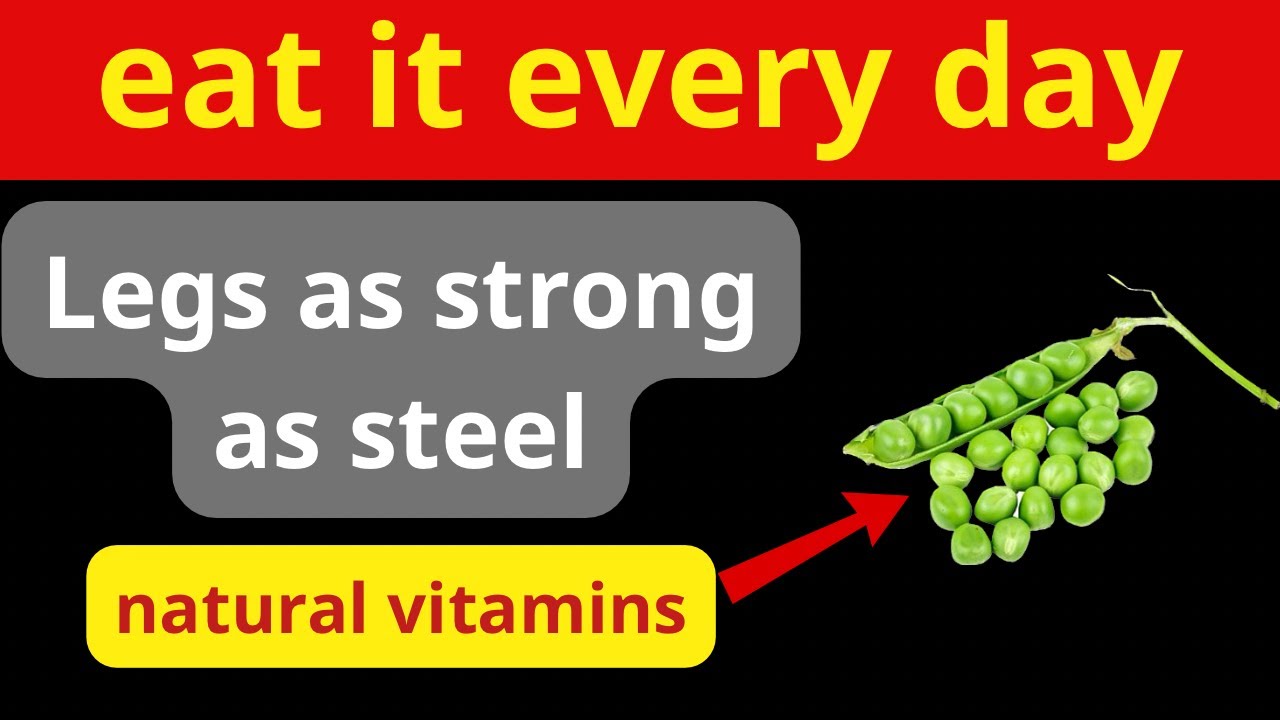
Is Climbing Stairs Getting Harder? You Might Be Losing Muscle Without Even Knowing It!
Sarcopenia – the age-related loss of muscle mass and strength – is silently affecting millions of Americans over 50. But here’s the good news: you can fight back with the right foods. In this video, we reveal 5 surprising superfoods that can help slow muscle atrophy, support recovery, and boost your strength – all without expensive supplements or intense workouts.
From the Mediterranean magic of garbanzo beans to the space-approved power of spirulina, discover natural ways to protect your muscles and stay active, independent, and energized as you age.
In this video, you’ll learn:
• How chickpeas and peas fuel muscle repair
• Why spirulina is considered a “green shield” against aging
• The muscle-regenerating power of herbs like cilantro and green onions
• Easy recipes and daily tips to make these superfoods part of your routine
Your muscles are your longevity bank. Start investing today!
Don’t forget to like, subscribe, and share this video with anyone over 50 you care about. Let’s build a stronger, healthier future – together.
Tried any of these foods? Let us know in the comments – we’d love to hear your experience!
#Sarcopenia #MuscleHealth #Over50Fitness #HealthyAging #Superfoods
#healthalert
#earlysymptomsofpregnancy
#seniorhealthtips
#healthyaging
#knowthesigns
#healthtips
#medicalawareness
#stayhealthy
#wellnesseducation
#healthyliving
#naturalhealth
#over50health
#healthmatters
#signsyoushouldntignore
#dailyhealthtips
#healtheducation
#over65wellness
#over65
Have you ever felt like climbing stairs is getting more difficult? Maybe just getting up from a chair or carrying grocery bags from the store feels like a struggle. These changes aren’t just signs of aging. They could be the result of sarcopenia, a condition that involves the loss of muscle mass and strength due to aging. This is a serious issue that is becoming more common in the US. According to statistics from the American Association of Retired Persons, AARP, many people over 50 are experiencing muscle weakness, which affects their mobility and independence. The good news is with a few small lifestyle changes, especially in your diet, you can significantly improve your muscle health. In today’s video, we’ll explore a simple yet highly effective nutritional solution to maintain healthy muscles after the age of 50. If you or a loved one is entering this phase of life, be sure to watch, share this video, and start a conversation about how to protect long-term muscle. Muscle health. One, garbanzo beans, the Mediterranean hero in the American kitchen. Let’s start with a familiar food that has incredible muscle repairing power. Garbanzo beans, also known as chickpeas. These small golden beans, which are a gem in the Mediterranean diet, are gradually earning their rightful place in American kitchens thanks to their delicious flavor and excellent nutritional value. Garbanzo beans contain a high quality plant protein, which is crucial for repairing and rebuilding muscle tissue. Just 100 gers of cooked garbanzo beans provides 9g of protein. Additionally, each each serving contains 48 molers of magnesium, which helps improve muscle function and prevent cramps. Notably, chickpeas contain leucine, an amino acid that activates mTor, an important biological pathway for building and protecting muscles. But that’s not all. With 7.6G 6g of fiber per 100 jars. This legume health sciad helps stabilize blood sugar, reducing the risk of muscle damage from sudden insulin spikes. Garbanzo beans also provide 2.9 mg of iron, which supports the transportation of oxygen to muscles, a key factor in improving endurance and recovery after exercise. Want to maximize the benefits? Try eating 150 jars of cooked garbanzo beans three to four times a week. Don’t forget to add a bit of vitamin C, like a squeeze of lemon to enhance iron absorption. Need dinner ideas? A warm bowl of soup made from 200 g of garbanzo beans, 300 millillers of vegetable broth, a teaspoon of turmeric, and some black pepper is not only delicious, but also supports effective anti-inflammatory benefits. And here’s an interesting fact. In some places, roasted garbanzo beans are ground into a caffeine-free coffee, providing a natural energy boost. Who would have guessed that these tiny beans could offer so many benefits? What do you think? Does garbanzo beans deserve to be called the muscle hero? Two peas. Small food, big benefits. Next, let’s explore a bright green vegetable that is often underrated. Peas. With their vibrant color and mild sweetness, they’re not just a side dish. In fact, peas are a powerful source of nutrition that helps older adults build and maintain muscle mass. Originating from the Mediterranean and Central Asia. Peas are now widely enjoyed in American households. In 100 g of cooked peas, there are 5.4 g of protein, a rich plant-based protein source. Additionally, peas contain lysine, an essential amino acid that helps produce collagen and supports muscle recovery. That’s not all. Each 100 g serving of peas also provides 1.5 mg of iron and 0.6 run of leucine, essential components for increasing oxygen delivery to muscle tissue and stimulating muscle growth. Nutrition experts have also discovered that peas contain soponins, antioxidants and anti-inflammatory compounds that help protect muscle tissue after exercise or physical activity. To enhance iron absorption, you can pair peas with vitamin C rich foods like red bell peppers or lemon juice. This can improve iron absorption by up to 67%. Aim to eat at least 150 g of peas three times a week to reap all the benefits. Want to change things up? Try making a creamy sauce from 200 jars of cooked peas, 20 gers of almonds, and a teaspoon of extra virgin olive oil. A simple yet highly nutritious dish. You’ll be surprised to learn that peas have nearly double the fiber content of spinach. This is great for blood sugar control and supporting digestion. Two factors that are crucial for senior health. And here’s a great idea. Combine peas with another proteinrich green vegetable to boost muscle recovery. Can you guess what ingredient that might be? Three. Spirulina, the super nutrient algae that helps slow muscle atricate atrophy. Have you ever heard of spirulina? This isn’t your average food. Spirulina is an ancient blue green microalgae that grows naturally in alkaline lakes. This superfood is so special that NASA once included it in the menu for astronauts in space. But spirulina isn’t just useful in space. Here on Earth, it’s emerging as a promising natural solution to combat sarcopenia, the gradual muscle loss that occurs in people over 50. As we age, the body’s production of proteins and micronutrients declines, leading to muscle weakness. Spirulina may be a powerful green shield. According to experts in aging and nutrition, spirulina contains up to 70% complete protein by dry weight, a number that far surpasses chicken breast, which contains around 27%. Furthermore, spirulina is rich in ficoyanin, a potent antioxidant that reduces inflammation and muscle cell damage while supporting muscle recovery and endurance. Just one teaspoon of spirulina, about 3g, provides 2g of protein and 50 mig of iron, both crucial for transporting oxygen to muscles and fighting fatigue. With 195 millig of magnesium in 10 g of powder, spirulina also helps regulate nerve and muscle function, preventing cramps. Try using about 3 to 5 g daily mixed into smoothies, fruit juice, or water to maximize the benefits. Pro tip: combine spirulina with lemon juice to boost iron absorption. Want to recover muscles after a workout? Try mixing 5g of spirulina with 250 ml of coconut water. a recovery drink that not only replenishes electrolytes but also strengthens muscle fibers. In many countries, spirulina capsules are also used as a natural energy source during long trips. What do you think? This superfood is not only versatile but also incredibly practical. Four, cilantro. A small herb, big benefits for muscles. Cilantro, also known as coriander, is often seen as just a garnish. But you’ll be surprised to learn that this tiny herb is a superstar when it comes to supporting muscle health, especially for those over 50. Originating from the Mediterranean, cilantro has long been used in American cuisine. But it’s not just about flavor. Cilantro contains valuable nutrients that br that help prevent sarcopenia, the age related muscle loss. According to US experts, cilantro is one of the best natural sources of apagenine. A potent flavonoid that reduces muscle inflammation and promotes muscle fart fiber regeneration. Just 10 g of fresh cilantro provides 130 millig of apagenine, higher than most other herbs. Cilantro also contains 16,640 micrograms of vitamin K per 100 g, an essential nutrient for muscle contraction and bone strength. Both key factors in maintaining mobility. Additionally, with 4 mill of iron and twice the daily vitamin C requirement in just 50 g, cilantro improves blood circulation, enhances iron absorption, and supports collagen synthesis. All important for muscle recovery and growth. How to use it? Add 15 jewel of fresh cilantro daily to your diet. You can combine it with spinach and lemon in a green smoothie. An easy to make drink that’s incredibly good for muscle and joint health. Five. Green onions. The silent helper in your kitchen for muscle recovery. You might already have this ingredient in your fridge. Green onions. With their slender stocks and distinct aroma, green onions are often used as a topping, but few know that they are a nutrient-rich herb, especially beneficial for preventing age- related muscle loss. Originating from Europe and Asia, green onions belong to the onion and garlic family and are a common ingredient in American cuisine. But here’s the interesting part. Green onions not only add flavor to meals, they also provide nutrients that help build and maintain muscle mass. According to research from the American Geriatric Society, over 30% of people over 60 experience muscle loss, mostly due to nutritional deficiencies and green onions play a role in addressing this. 100 g of green onions provides 90 milligularers of vitamin C crucial for collagen synthesis and muscle recovery. Even more impressively, green onions contain up to 30,000 micrograms of vitamin K, which helps improve muscle contractions and enhance bone density. What makes green onions stand out are their alienise and flavonoid compounds, substances that improve blood circulation, oxygen delivery to muscles, reduce fatigue, and speed up recovery. Additionally, corsettin, an antioxidant in green onions, helps reduce muscle inflammation and protects cells from free radical free radical damage. Usage suggestion: Consume at least 10 juners of green onions daily, preferably raw or lightly cooked to preserve their nutritional value. Try a muscle recovery smoothie with 10 druners of green onions, half an avocado, and 150 millillers of unsweetened yogurt. Your muscles will thank you. Feeling creative? Make green onion oil by soaking 30 gers of green onions in 100 mil of extra virgin olive oil. After 24 hours, you’ll have a fragrant oil that adds flavor to your meals while providing muscle nourishing nutrients. Aging may weaken muscles, but you’re not powerless against it. With easy to find superfoods like garbanzo beans, peas, spirulina, cilantro, and green onions, you have natural, safe, and effective tools to combat muscle atrophy. A condition silently affecting millions every day. You don’t need to hit the gym every day or rely on expensive supplements. Just a small change in your diet. Adding a few teaspoons of spirulina, a handful of cilantro, or some fresh green onions is enough to support your body’s recovery, regeneration, and strength maintenance. Remember, your muscles are your longevity bank. The earlier you invest, the healthier and more independent you’ll be for longer. If you found the information in this video helpful, don’t forget to hit like, subscribe to the Health Alert channel, and share it with your loved ones, especially those over 50. Let’s build a healthy, active, and vibrant community, regardless of age. Are you using any foods from this list? Leave a comment below. We’d love to hear your story.