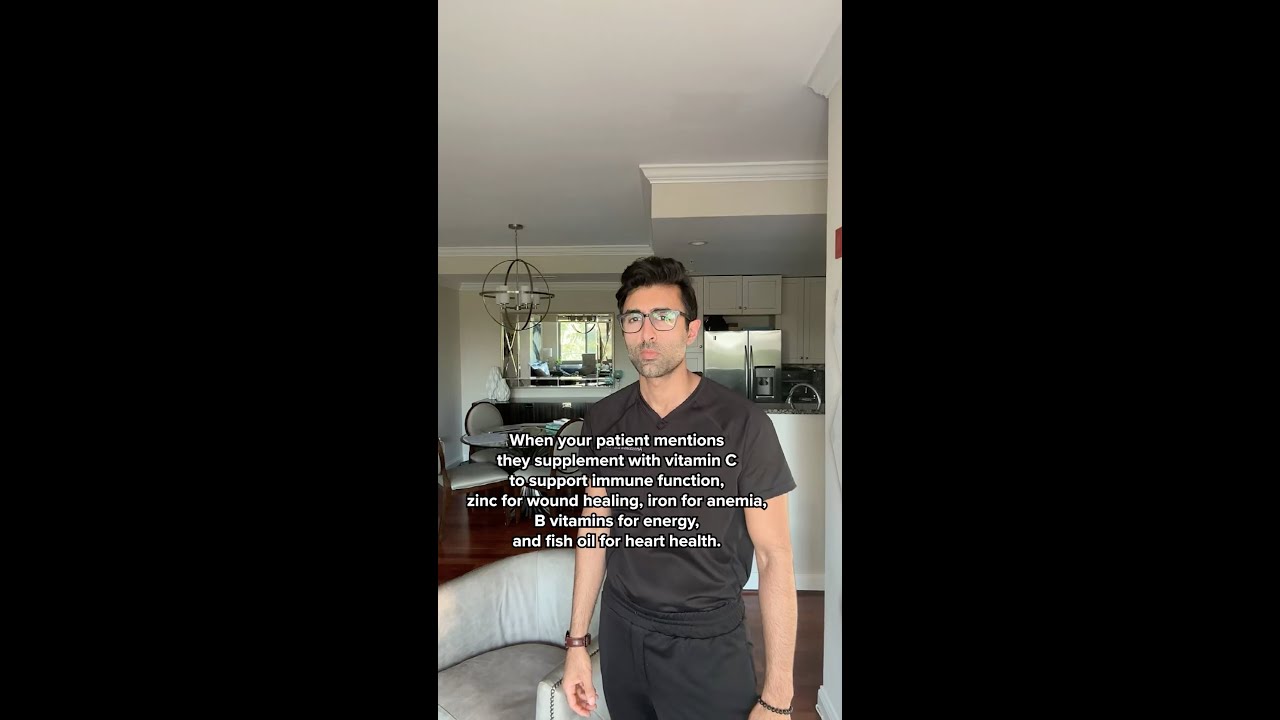
When your patient tells you they take…
🍊 Vitamin C for immune support
Vitamin C boosts both innate and adaptive immunity, enhances T- and B-cell function, supports skin barrier integrity, and helps regulate gene expression in immune cells (PMID: 37359134).
🧠 But: High doses may cause digestive upset. Most adults already meet their needs through diet.
🩹 Zinc for wound healing
Zinc helps with every step — from controlling inflammation to promoting new tissue growth. It’s vital for collagen production, skin cell repair, and antioxidant defense. Topical forms can also speed up epithelialization (PMID: 28629136, 29295546, 17244314).
⚠️ But: Excessive zinc impair copper absorption, weaken immunity, and disrupt lipid profiles if taken long-term.
💉 Iron for anemia
It’s not just about energy — iron rebuilds hemoglobin and ferritin stores, helping transport oxygen and prevent fatigue. It also improves memory and endurance, especially in children and adults recovering from deficiency (PMID: 37368919).
🔍 But: Supplementation should be based on lab values. Too much can cause oxidative stress and GI irritation.
⚡ B Vitamins for energy
They don’t give energy directly, but they help unlock it from food. B1 to B12 play key roles in mitochondrial function, red blood cell production, and neurotransmitter balance. Deficiency = fatigue, brain fog, poor concentration.
⚠️ But: B12 deficiency is more likely in older adults, vegans, and people with gut absorption issues.
❤️ Fish oil for heart health
Evidence is mixed, but in some groups — especially those with low fish intake — omega-3s reduce heart attack risk. They also lower triglycerides and may modestly reduce blood pressure and heart rate (PMID: 23115552).
⚠️ But: High doses may increase the risk of atrial fibrillation in those without heart disease (PMCID: PMC8756005). OTC quality and dosing vary widely.
#medical #health #healthtips #vitamins #supplements