Medical Centric Recommended : (Affiliate Links)
Thermometer ➝ https://amzn.to/48etrFS
Blood pressure machine ➝ https://amzn.to/465qJkN
Oximeter ➝ https://amzn.to/465jKHO
Bandage wrap or medical tape ➝ https://amzn.to/465qYfH
Gauze rolls ➝ https://amzn.to/3PapHws
Sanitizer -. https://amzn.to/3Pgytcg
Alcohol prep pads ➝ https://amzn.to/3rmcAjI
Breast pump ➝ https://amzn.to/3LpggIl
Baby’s thermometer ➝ https://amzn.to/3LoZFEG
Toilet seats with handle ➝ https://amzn.to/465jTuQ
Walker/ handicap scooters ➝ https://amzn.to/44Mb4VW
Sticks ➝ https://amzn.to/3t0aO8n
Weight machine ➝ https://amzn.to/48hDcDa
Ice packs ➝ https://amzn.to/3LoJJlT
Splint ➝ https://amzn.to/3EBh0GL
Waterproof bed pads ➝ https://amzn.to/3Rm5qGN
Stethescope ➝ https://amzn.to/3Rlxev3
Pill organizer ➝ https://amzn.to/3PCwdgV
Massage chair or massage related products ➝ https://amzn.to/3rcrsRS
Compression socks ➝ https://amzn.to/465r8DP
Knee brace/stabilizers ➝ https://amzn.to/45Qk1ii
______________________________________________________________
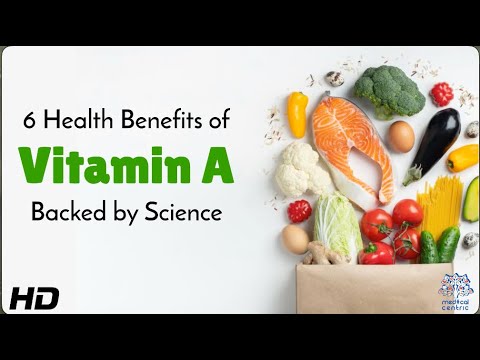
6 Health Benefits of Vitamin A Backed by Science
Introduction:
Vitamin A is more than just a nutrient—it’s a powerhouse essential for maintaining overall health and well-being. This fat-soluble vitamin plays a critical role in everything from vision to immune function, making it indispensable for your body’s daily operations. Backed by scientific research, here are six remarkable health benefits of Vitamin A that highlight why you should ensure adequate intake through diet or supplementation.
1. Supports Vision and Eye Health
Vitamin A is famously known as the “vision vitamin” because it’s crucial for maintaining healthy eyesight. It’s a key component of rhodopsin, a protein in the retina that allows the eye to detect low-light environments. Studies show that Vitamin A deficiency can lead to night blindness and even increase the risk of age-related macular degeneration (AMD), a leading cause of vision loss. By including Vitamin A-rich foods like carrots, sweet potatoes, and spinach in your diet, you can protect your eyes and maintain sharp vision as you age.
2. Boosts Immune Function
Vitamin A is vital for a robust immune system. It helps maintain the integrity of skin and mucosal cells, which act as the body’s first line of defense against pathogens. Additionally, Vitamin A supports the production and function of white blood cells, which fight off infections. Research has shown that Vitamin A deficiency weakens immunity, making individuals more susceptible to illnesses like respiratory infections and diarrhea. Ensuring sufficient Vitamin A intake can help keep your immune system strong and ready to combat threats.
3. Promotes Healthy Skin
If glowing skin is your goal, Vitamin A might be your secret weapon. This nutrient regulates cell growth and differentiation, which is essential for maintaining smooth, healthy skin. Retinoids, a form of Vitamin A, are widely used in skincare products to treat acne, reduce wrinkles, and improve skin texture. Scientific studies have also demonstrated that dietary Vitamin A can enhance wound healing and reduce inflammation, making it beneficial for those with chronic skin conditions.
4. Supports Growth and Development
For children and adolescents, Vitamin A is indispensable for proper growth and development. It plays a crucial role in the formation and maintenance of teeth, bones, and soft tissues. Pregnant women also require adequate Vitamin A to support fetal development, particularly for the formation of the heart, lungs, kidneys, and other vital organs. However, excessive intake during pregnancy can be harmful, so it’s important to consult a healthcare provider for safe dosage recommendations.
5. Enhances Reproductive Health
Vitamin A is essential for reproductive health in both men and women. In males, it supports sperm production and quality, while in females, it aids in the regulation of hormones and the health of reproductive tissues. Research suggests that Vitamin A deficiency may contribute to fertility issues, highlighting its importance for couples trying to conceive.
Conclusion:
From supporting vision and boosting immunity to promoting healthy skin and aiding growth, Vitamin A is truly a multifunctional nutrient that deserves a place in your daily diet. Whether you get it from colorful fruits and vegetables, animal-based sources like liver and eggs, or supplements (if necessary), ensuring adequate Vitamin A intake can significantly enhance your health. Remember, balance is key—too much Vitamin A can be toxic, so aim for moderation and consult a healthcare professional if you’re unsure about your needs.
Today’s medical ccentric topic is six health benefits of vitamin A backed by science. Vitamin A is one of those nutrients you know you need but probably don’t think much about until your night vision gets weird or your skin starts acting up. This fat soluble vitamin plays a major role in your health from head to toe. Let’s break down six sciencebacked benefits of vitamin A that are worth knowing. One, supports eye health and vision. Vitamin A is best known for helping your eyes adjust to darkness. It’s a key part of redopsin, a protein in your eyes that allows you to see in low light. Long-term deficiency can lead to night blindness and in severe cases, even permanent vision loss. Two, boost immune function. Vitamin A helps maintain the health of your skin and mucous membranes, your body’s first line of defense. It also supports white blood cell production, helping your immune system fight off infections more effectively. Three, promotes healthy skin. Retinoids, a form of vitamin A, are widely used in skin care for a reason. They can help stimulate cell turnover, reduce acne, improve fine lines and skin texture. Topical forms are used in many anti-aging and acne products while dietary vitamin A keeps skin healthy from the inside out. Four, supports reproductive health. Vitamin A is essential for the normal function and development of sperm and egg cells as well as proper fetal growth during pregnancy. deficiency can impair fertility in both men and women. Five, aids bone health. While calcium and vitamin D get all the attention, vitamin A also plays a role in bone remodeling. Too little or too much may affect bone density. So, balance is key. Six, powerful antioxidant properties. As an antioxidant, particularly in its beta carotene form, vitamin A helps neutralize free radicals, reducing oxidative stress and inflammation that can lead to chronic diseases like heart disease and cancer. Best sources of vitamin A. Preformed vitamin A, retinol, found in liver, eggs, and dairy. Provitamin A betaarotene found in carrots, sweet potatoes, spinach and mangoes. Daily needs 700 micrograms R AE for women 900 micrograms R AE for men. Too much from supplements, especially preformed vitamin A can be toxic. Stick with food unless directed by a doctor. Bottom line, vitamin A supports your vision, immunity, skin, and more. A colorful, balanced diet can help you hit your goals. No mega doses required. Thank you for watching our video. Please do not forget to like and share the video. Also, please subscribe to the channel to stay updated on our latest videos.