Seniors, your supplements could be silently working against you. In this eye-opening video, we reveal 7 dangerous supplement combinations that many older adults take daily—without realizing the risks. From nerve damage to internal bleeding and even heart complications, some of these “healthy” habits might be doing more harm than good.
You’ll learn:
Why B6 and B Complex might be wrecking your nerves
How iron + vitamin C could overload your liver
Why mixing zinc and copper is a hidden nutritional trap
The real danger of fish oil and ginkgo biloba together
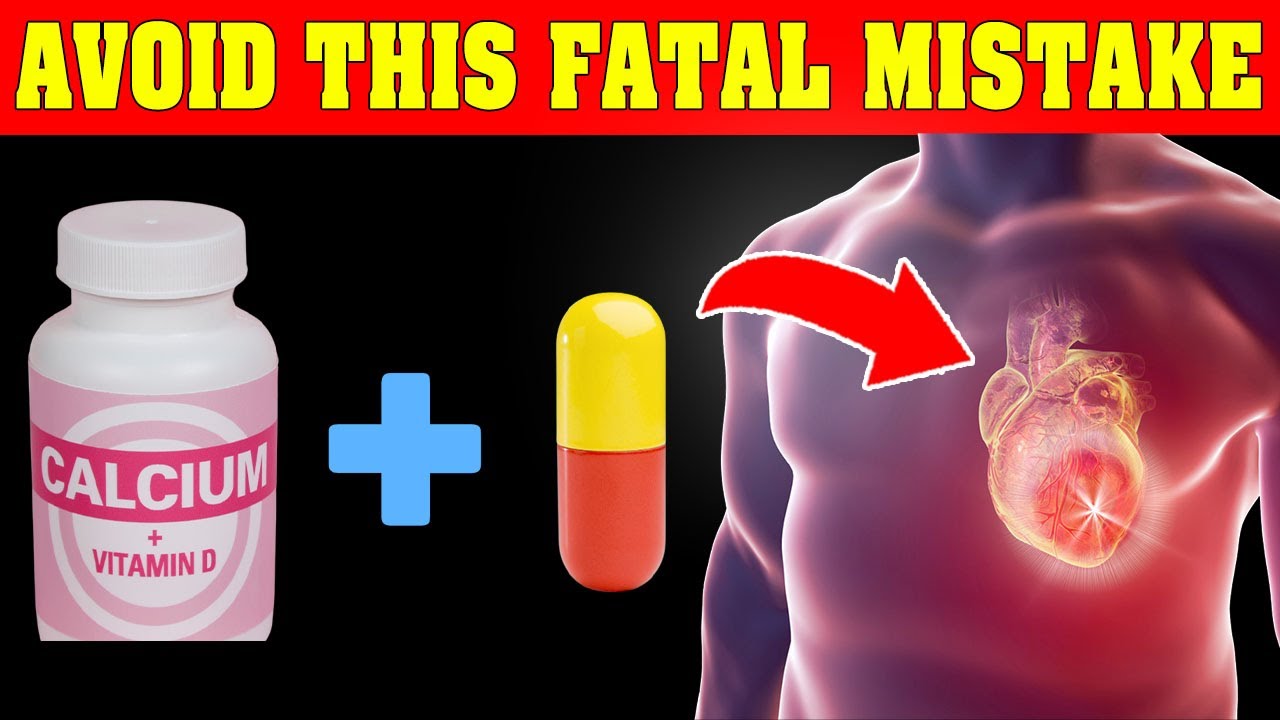
What happens when you combine vitamin D, calcium, and magnesium without K2
Whether you’re taking these supplements now or considering them in the future, this video is a must-watch for senior health and safety. ✅
Hit like, subscribe, and share to protect your loved ones.
🛑 Don’t mix until you know the facts!
#SupplementMistakes #VitaminsYouShouldntMix #SupplementSafety #NutritionTips #HealthWarnings #AvoidTheseSupplements #WellnessAdvice #Bioavailability #VitaminAbsorption #HealthyHabits #healthtips #vitaminsafety #over60health #hearthealth #supplementwarning #seniorsafety #vitamins
——————————————————–
Welcome to Health Bee – Your Path to a Healthier Lifestyle!
At Health Bee, we’re here to help you embrace better health through the power of nutrition and positive lifestyle habits. We believe that small, consistent changes in what you eat and how you live can lead to powerful transformations in your overall well-being.
Our videos dive into the best foods for your health, how they can help prevent diseases, and the everyday habits that make a real difference in your life. Each video is designed to give you practical, easy-to-follow tips, so you can start making healthier choices right away.
At Health Bee, we’re dedicated to providing you with trustworthy, research-backed content to empower you to take charge of your health. With the right knowledge, you can make better decisions for yourself and those around you, and enjoy a life full of energy and vitality.
Hit SUBSCRIBE and join the Health Bee community today! Stay tuned for fresh, inspiring content that will guide you toward a happier, healthier you—one step at a time!
#seniors #seniorhealth #seniorhealthtips #health #nutrition #healthbee
🔗 SUBSCRIBE: https://www.youtube.com/@HealthBee-w1f?sub_confirmation=1
🔔 Turn on notifications so you never miss our latest videos!
Playlist:
Senior health: https://www.youtube.com/playlist?list=PL5TQ8EvyuOHcCTUEpOIiwEdXD19-ztWcX
CREDIT For GRAPHICS:
▪ Graphics: Freepik used under a free license
====================================
supplements you should never take together,vitamins you shouldn’t mix,dangerous supplement combinations,supplements that cancel each other out,supplement mistakes to avoid,what supplements not to take together,supplement interactions explained,bad supplement combinations,supplement advice 2025,best time to take supplements,supplement timing tips,safe supplement combinations,multivitamin side effects,nutritionist supplement advice,mixing supplements safely
Seniors, beware. Never take these supplements together to avoid serious complications. As we age, it feels natural to reach for supplements. After all, our bodies don’t absorb nutrients as efficiently anymore, so a few extra pills should help, right? Well, not always. Here’s a reality check you weren’t expecting. Those very supplements you’re trusting to keep you strong might be quietly harming you instead. And no, this isn’t fear-mongering. It’s a warning. most people never hear in time. You see, there are certain combinations of supplements that when taken together can actually backfire, leading to serious health issues like internal bleeding, liver strain, and even heart problems. And the scariest part, millions of older adults take these combos daily without realizing the risks. They think they’re doing something good for their health when in fact, they could be doing the opposite. That’s why this video is a mustwatch. Today, we’re breaking down seven supplement pairings that seniors should absolutely avoid mixing. These are not obscure vitamins you’ve never heard of. They’re the popular ones people pick up from any drugstore, often combining them without a second thought. Stay with us until the end because the final combo on this list is one of the most widely used and surprisingly dangerous if taken carelessly. If you’re ready to protect your health and maybe even save someone else’s, do us a favor. Hit that like button and subscribe. Let’s make sure this message gets out to the people who need it most. Let’s dive in. One, B complex plus extra B6, the silent combo that could be wrecking your nerves. Let’s kick things off with a supplement mistake that flies under the radar but happens all the time. taking a daily B complex vitamin and adding an extra dose of vitamin B6 on top. Now, here’s what many people assume. Vitamin B6 is water soluble. So, any excess just leaves the body, right? Not quite. Even though B6 dissolves in water, your body can still store excess amounts in soft tissues if you take high doses consistently. And that buildup, it can quietly lead to nerve damage, a condition known as sensory neuropathy. This often starts subtly, a slight tingling in your feet, maybe some numbness, but over time it can snowball into loss of balance, burning pain, and even muscle weakness, especially in the legs. This isn’t guesswork. It’s been clinically documented. According to the National Institutes of Health, long-term intake of 500 milligars per day can cause severe nerve damage. But here’s the kicker. Even doses between 100 ton and 200 miller per day have been linked to neuropathy, especially in older adults who process nutrients more slowly and have less body mass to buffer the effects. One study published in neurology Perry Bredesen 1985 followed patients who took high B6 doses and developed serious symptoms from loss of coordination to foot drop and in many cases recovery took months if it happened at all. The real danger you might be overdosing without knowing it. Many B complex supplements already include a significant amount of B6. Now, throw in a separate B6 pill or a multivitamin with another hit of B6 and you’ve unknowingly gone way over the safe daily limit. And this issue isn’t exclusive to B6. You could be doing the same thing with vitamin A, E, or D. These are fat soluble vitamins, meaning your body stores the excess, and that buildup can quietly push you toward toxicity, organ stress, and long-term complications. If you’re already taking a multivitamin or B complex, think twice before adding any solo vitamin on top. Unless your doctor has tested your levels and given the green light. When it comes to supplements, more doesn’t mean better. In fact, sometimes more means danger. Two, iron plus vitamin C. It sounds like a smart idea, doesn’t it? You take iron for energy and you add a boost of vitamin C to help your body absorb it better. makes perfect sense, especially since vitamin C is known to enhance iron absorption, particularly the type found in plant-based sources and most supplements. But here’s what many older adults never hear. That same combination could be doing more harm than good if your body doesn’t actually need extra iron. Here’s the catch. Iron supplements on their own are already something to approach with caution. But when you pair them with high potency vitamin C, like the kind found in acerola, cherry or amla, Indian gooseberry, the amount of iron your body absorbs can skyrocket. And for aging bodies, that can be a big problem. Unlike certain nutrients that simply flush out when there’s too much, your body doesn’t have a built-in way to easily get rid of excess iron, especially when it comes from pills, not food. Instead, it stores that extra iron deep in your organs, the liver, the heart, the pancreas, places where it can quietly build up over time and trigger oxidative stress and long-term cell damage. And that’s not a theory. It’s backed by science. A study published in the American Journal of Clinical Nutrition found that too much stored iron is linked to liver cerosis, cardiovascular disease, and even type 2 diabetes. All because of the stress it places on vital organs like the pancreas. For older adults, the danger goes even deeper. Iron overload can look like everyday aging. You might feel more tired, your joints ache more than usual, or you notice some brain fog. It’s easy to write these off as normal, but in reality, they could be early signs of iron toxicity. That’s why most health professionals strongly advise seniors to avoid iron supplements unless a doctor has confirmed a real deficiency. Things like low hemoglobin or low feritin levels in a blood test. But here’s where people get tripped up. Let’s say you’re already taking iron. If you start adding concentrated vitamin C from a natural powder like acerola or amla extract, you’re not just supporting absorption, you’re potentially supercharging it far beyond what your system can safely handle. And unless you’re getting tested, you’d never know. Three, zinc and copper. You’d be surprised how often supplement bottles mix zinc and copper into the same tablet, like it’s a convenient little combo deal. But in reality, putting those two together in one dose is anything but harmless. It might be setting up a quiet war in your gut, one that copper almost always loses. Here’s what’s really going on. Zinc and copper are both absorbed through the same channels in your small intestine. But when they show up at the same time, zinc tends to push its way through while copper gets left behind. And the more zinc you take, especially if you’re not balancing it with enough copper, the worse the imbalance becomes. Most people have heard about zinc’s benefits. It’s widely praised for its role in boosting immunity, helping with wound repair, and supporting hormone balance. But few realize that taking too much of it for too long, especially without proper copper intake, can quietly create a dangerous deficiency. And copper isn’t something your body can do without. This mineral plays a critical role in several key systems. Your body needs copper to make red blood cells, keep your nerves working properly, and help your immune system respond to threats. So, when copper starts to run low, the effects can be serious. You might develop a form of anemia that doesn’t respond to iron therapy. Bones may weaken. Your immune response could falter. Even worse, you could start experiencing neurological symptoms, tingling, numbness, or difficulty walking that creep in slowly but leave lasting damage. And we’re not talking about rare side effects here. A study published in blood, the journal of the American Society of Hematology, showed that copper deficiency can mirror the effects of vitamin B12 deficiency, including nerve damage that can become permanent if it’s not identified and addressed early. The most alarming part, high zinc intact. E over time is one of the leading causes of copper depletion, especially in older adults who often take zinc daily to support immune function. So, what should you do instead? If you’re regularly taking a zinc supplement, particularly doses above 25 mg a day, you need to be sure your body is also getting enough copper, but don’t take them together. To avoid competition during absorption, spread them out. Take zinc earlier in the day and copper later or vice versa. Timing matters more than most people realize, and always pay attention to the ratio. The general recommendation is around 8 to 15 mg of zinc for every 1 mg of copper. Four, if you’re on cholesterol meds like simveastatin, a tovastatin or rosuvaastatin, there’s one supplement you need to think twice about. Niacin, also known as vitamin B3. Now, niacin isn’t just another B vitamin. It’s actually been used in large doses to lower bad cholesterol, LDL, and raise good cholesterol, HDL. Sounds like a win-win, right? But here’s the dangerous twist. Combining highdosese niacin with cholesterol-lowering drugs, especially statins, can drastically increase your risk of serious side effects. According to the Mayo Clinic and findings from the New England Journal of Medicine, this combo has been linked to myopathy, painful muscle damage, and in some rare but severe cases, rabdtoiolysis, a life-threatening breakdown of muscle tissue that can lead to kidney failure. And it gets worse. Both niacin and statins are processed by your liver. Taking them together can overload it, quietly pushing your liver enzymes into the danger zone, even if you don’t feel anything at first. Here’s the catch. Niain from food or in small amounts from multivitamins is usually harmless. But the problem starts when seniors take flush-free or extended release nascin supplements marketed for heart health. These often contain mega doses far beyond the daily recommended limit and should never be used without strict medical supervision if you’re on prescription statins. So if you’re over 60 and managing cholesterol with medication, be very careful with nascin supplements. What’s marketed as natural support could silently be putting your muscles, liver, and kidneys at serious risk. You’ve probably heard the hype. Fish oil for your heart and ginko baloba for your brain. Sounds like a smart combo, right? Not so fast. Both supplements come with impressive reputations. Fish oil is packed with omega-3s that fight inflammation and support heart health, while GKO is Ken, owned for boosting blood flow and improving memory. But what no one tells you is this. They both thin your blood. That’s right. Fish oil reduces triglycerides but also interferes with how your blood clots by preventing platelets from sticking together. GKO does something similar. It increases circulation but also carries anti- clotting effects. Separately, that might not be a big issue, but when taken together, the risk of internal bleeding goes way up, especially for older adults. As we age, our body’s ability to heal slows down. Combine that with thinner blood and you could be looking at a recipe for serious trouble. Nose bleeds that won’t stop, bruises that appear out of nowhere, or in worst case scenarios, even bleeding in the brain. And if you’re already on blood thinners like aspirin or warin, that risk jumps even higher. So before you mix fish oil and GKO into your daily routine, pause and talk to your doctor. What seems like a harmless wellness stack might quietly be putting your health on the edge. Six. Calcium and magnesium. Both sound like must-have minerals for strong bones and healthy muscles, right? But here’s something most people never get told. Taking them together could be doing your body more harm than good. Here’s why. While both minerals are essential, calcium can actually block your body from absorbing magnesium properly when taken at the same time. And for many older adults, magnesium isn’t just a bonus, it’s critical. We’re talking about maintaining a steady heartbeat, reducing high blood pressure, easing muscle cramps, and even helping you sleep through the night. So, imagine this. You’re taking magnesium to calm your heart or soothe restless legs. But because you’re also taking calcium at the same time, your body can’t absorb it well. The result, you’re left vulnerable to irregular heart rhythms, muscle spasms, or that annoying nightly tossing and turning. In more serious cases, this imbalance can send your heartbeat into a tail spin. And for seniors, that’s no small matter. What’s the fix? It’s surprisingly simple. Experts often recommend getting calcium from whole foods like leafy greens, almonds, or dairy unless your doctor specifically tells you otherwise. But if supplements are a must, here’s the key. Don’t take calcium and magnesium together. Just space them out by a few hours. That one small timing change can help your body get the full benefit from both without setting off hidden side effects. So before you pop both pills at once, pause. Your heart, muscles, and sleep might just thank you for it. Think taking vitamin D and calcium together is the ultimate bone health hack? Think again, because if you’re not careful, this so-called healthy duo could quietly set off a chain reaction of dangerous side effects. Let’s break it down. Vitamin D’s main job is to boost calcium absorption from the food you eat. That sounds helpful until there is too much calcium in your system with no place to go. When calcium levels spike without proper guidance inside your body, guess what happens? That excess calcium can settle in all the wrong places like your arteries and kidneys instead of your bones. What does that lead to? Kidney stones, hardening of the arteries, high blood pressure, and yes, even heart attacks. And here’s the scary part. This damage can occur whether you take D and calcium at the same time or not. It’s the combined overload that causes the problem. So, what’s missing in this picture? One word, vitamin K2. Think of K2 as the traffic cop that tells calcium where to go. It guides calcium to your bones and teeth where it’s needed and keeps it out of soft tissues like your arteries and heart. Without enough K2 in the mix, taking high doses of D and calcium is like flooring the gas pedal with no breaks. And here’s an even more important tip. If you’re already eating a calcium richch diet, dairy, leafy greens, almonds, tofu, you might not need a calcium supplement at all. In fact, most seniors would be better off focusing on vitamin D3 combined with K2 and magnesium, which helps regulate calcium naturally and safely without building up in the wrong places. Bottom line, natural doesn’t always mean safe. Over-the-counter supplements can carry big risks if you don’t know how they interact, especially as we get older. If you’re serious about protecting your heart, bones, and kidneys, don’t skip this step. Talk to your doctor before starting any new supplement combo. And if this video opened your eyes, give it a thumbs up, hit that subscribe button, and stick around. We’ve got more life-saving tips coming your