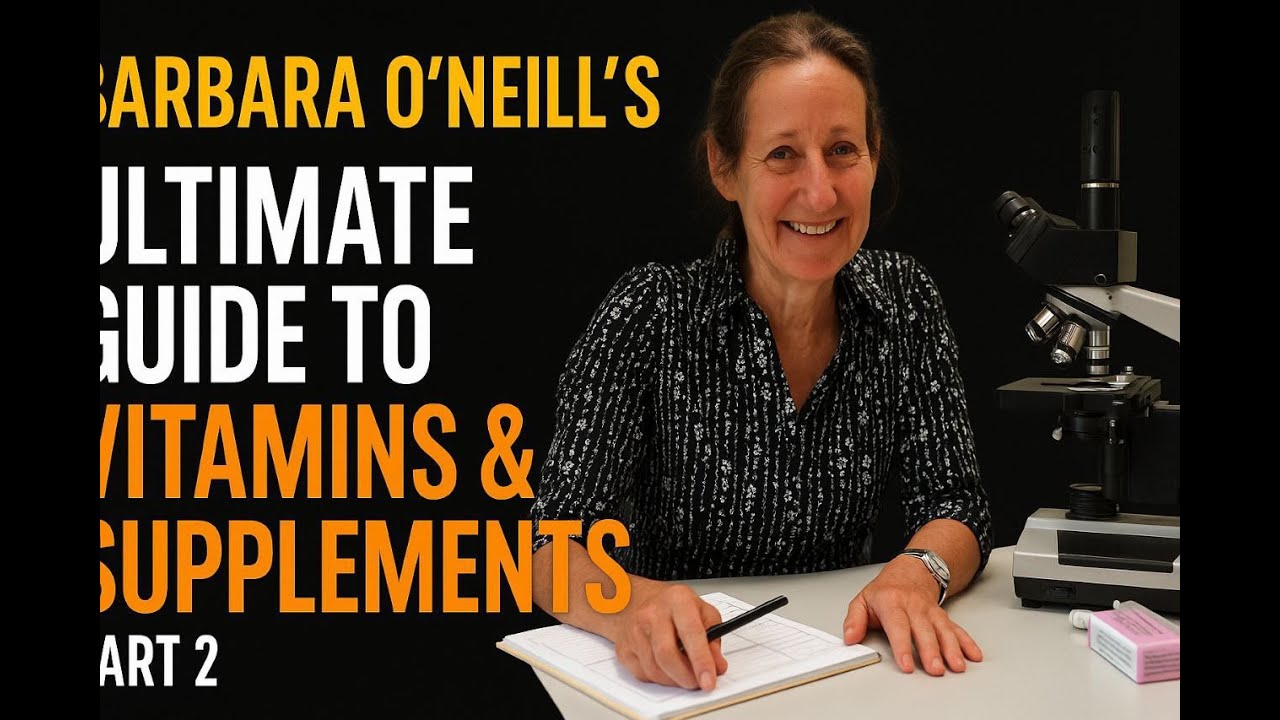
Join us for a powerful livestream featuring Barbara O’Neill’s top 9 videos on vitamins and supplements! Discover natural ways to boost your immunity, balance your nutrients, and heal your body from within using time-tested remedies and practical advice. This is your chance to learn directly from one of the most respected voices in natural health. Whether you’re new to supplements or looking to deepen your knowledge — this stream is for you.
📌 Learn about:
• Vitamin C, D, B-complex, and magnesium
• Natural sources of key nutrients
• How to safely use supplements
• What your body really needs to heal
💬 Stay tuned, engage in the live chat, and take control of your wellness journey — naturally!
Hastag:
#BarbaraONeill #NaturalSupplements #VitaminsForHealth #HolisticHealing #HealthLivestream #WellnessTips #NutritionalHealing #VitaminGuide #NaturalRemedies #BarbaraONeillLive
Tags:
Barbara O’Neill, vitamins, supplements, natural health, immune support, vitamin D, vitamin C, magnesium, zinc, herbal remedies, health education, holistic health, nutritional supplements, natural medicine, health tips, wellness, healing naturally, detox, energy boost, anti-inflammatory, Barbara O’Neill livestream, health stream, vitamin benefits, supplement guide, natural living, alternative medicine, health advice, live health stream, natural remedies
📚 Lessons to Highlight in the Livestream
1. Why Vitamin D is critical for immune strength and mood regulation
2. How Vitamin C works as a natural antioxidant and detox support
3. Magnesium’s role in calming the nervous system and relieving cramps
4. Zinc and its power in fighting off infections and healing tissue
5. The importance of B-vitamins for energy, focus, and stress relief
6. How to avoid synthetic supplements and choose natural alternatives
7. Combining food and supplements for better absorption
8. How to detect deficiencies through physical symptoms
9. Using herbs and nutrients together to support long-term healing
🔔 Disclaimer: Dezi Health does not provide medical advice and the information provided throughout our videos, including but not limited to, text, graphics, images, and other materials, is entirely intended for informational purposes. The content of Dezi Health’s videos is not intended to replace the professional medical advice that you should seek from your doctor. All the information presented in these videos is for educational purposes only.
🔔 Copyright Disclaimer Under Section 107 of the Copyright Act 1976, allowance is made for ‘fair use’ for purposes such as criticism, comment, news reporting, teaching, scholarship, and research. Fair use is a use permitted by copyright statute that might otherwise be infringing. Non-profit, educational, or personal use tips the balance in favor of fair use. No copyright infringement intended. ALL RIGHTS BELONG TO THEIR RESPECTIVE OWNERS.
lemon covers all your nutritional bases think again you might be wasting your money on fancy labels everywhere you look there’s a supplement promising better health more energy better sleep glowing skin a stronger immune system and let’s be honest we’ve all been tempted whether in health stores or online wellness ads colorful bottles and bold claims bombard us but here’s the truth most supplements don’t work and some may even harm you americans spend over $50 billion,0 cents a year on dietary supplements billion on pills powders and gummies that are often low quality or unnecessary many products are just marketing hype disguised as healthis what is tonitis tonitis is a ringing in the ears and before we get started I’d love to know where are you tuning in from today drop a comment below and feel free to ask any questions and topics you would love us to discuss and subscribe if you’re new here now let’s dive in number one vitamin C the synthetic trap vitamin C is often the go-to supplement when a cold hits but here’s the shocking truth most vitamin C supplements are practically useless why most are made from synthetic ascorbic acid which is derived from GMO corn syrup or petroleumbased chemicals yes you heard that right petroleum this synthetic form is just one isolated part of the full vitamin C complex found in nature real whole food vitamin C includes bioflavonoids rootin enzymes and minerals that work together for effective absorption when you take ascorbic acid you’re missing out on about 95% of what your body needs so while you think you’re boosting your immune system you’re mostly just creating expensive urine even worse high doses of synthetic ascorbic acid can create acidity irritate your stomach and cause loose stools not exactly healthy so what’s the better way go natural choose whole food sources of vitamin C like acerola cherry camu camu amla fruit or rose hips these provide the complete vitamin C complex making them more effective even better just eat real food a handful of berries some bell peppers or a fresh salad each day delivers the vitamin C your body truly knows how to use most vitamin C supplements are made from synthetic ascorbic acid comment: real food is better if you believe in whole food sources for vitamins number two calcium carbonate the cement in a capsule let’s discuss one of the most misunderstood supplements calcium heavily marketed for bone health especially for older adults the truth is that most calcium supplements are ineffective and may even cause harm the most common supplement is calcium carbonate made from ground up limestone yes the same stuff used in cement and chalk that’s why these pills feel heavy they’re basically rocks in a bottle your body isn’t designed to digest rocks and calcium carbonate is poorly absorbed especially if you’re not producing enough stomach acid which is common as we age or take ant acids here’s where it gets worse calcium carbonate neutralizes stomach acid which is crucial for digesting protein and absorbing nutrients like magnesium zinc and B12 excess calcium can lead to calcification buildup in arteries kidneys and joints linked to high blood pressure kidney stones arthritis and even heart disease interestingly countries with the highest calcium supplement intake also have high rates of osteoporosis so what actually works when it comes to boosting your calcium levels whole food sources are not only more effective they’re also much safer than many supplements some of the best natural sources include sardines and anchovies especially when eaten with the bones as well as bone broth which is rich in minerals and collagen leafy greens like kale and spinach are also excellent plant-based options offering a good amount of calcium along with other important nutrients hard cheeses and bone in salmon are also great choices providing not just calcium but also important co-actors like vitamin D3 and vitamin K2 these nutrients play a critical role in making sure calcium ends up in your bones where it’s needed for strength and structure instead of in your arteries where it could contribute to plaque buildup by choosing calciumrich whole foods you’re giving your body the full nutritional package it needs to absorb and use calcium the right way most calcium supplements are ineffective and can cause harm comment I choose whole foods if you prefer natural sources for calcium number three multivitamins are false sense of security in a capsule pop a multivitamin and you’re covered for the day right not so fast most multivitamins are just expensive placeos most over-the-counter multivitamins especially those from big retail chains contain synthetic isolated nutrients that your body struggles to recognize and use common culprits include calcinum carbonate ascorbic acid and cyanocobalamin lab-made vitamins often derive from petroleum byproducts they lack essential co-actors like enzymes flavonoids and minerals found in whole foods which help your body absorb nutrients the result you feel good about taking a multivitamin but it does very little for your health in fact your body often flushes these out which is why your urine may turn neon yellow after taking one that’s not working it’s wasting so what’s the better move if you choose to take a multivitamin opt for one made from fermented whole foods or cultured nutrients these forms mimic real food making them far more bioavailable most multivitamins are just expensive placeos comment: no more placeos if you want real nutrition from food number four iron when more iron means more problems feeling tired and pale you might consider an iron supplement seems logical right wrong if it’s the wrong kind of iron most iron supplements contain ferrra sulfate an inorganic form that your body struggles to absorb the little that does get in can cause side effects like constipation black stools stomach cramps and nausea if your poop looks like coal that’s not effective iron it’s wasted excess inorganic iron can accumulate in your tissues leading to oxidative stress literally rusting you from the inside out this damages nerves ages you faster and can overwhelm your liver it also feeds harmful bacteria in your gut increasing inflammation and weakening your immune system so how should you get iron your body prefers hem iron found in red meat organ meats like liver and desiccated liver supplements this form is easily absorbed and won’t wreck your gut before supplementing always get your feritin levels tested many believe they’re low on iron when they might just be low on vitamin C or copper which are needed to utilize iron properly most iron supplements are poorly absorbed and can cause side effects comment real food for iron if you prefer hem iron sauces number five gummies candy in disguise let’s be honest gummies are fun they’re colorful chewy and often come with promises of glowing skin better digestion and overall wellness but the truth is most gummy supplements are really just candy disguised as health products when you take a closer look at the ingredient list you’ll often find things like malttodextrin dextrose corn syrup artificial flavors and fake coloring not only do they contain added sugars and chemicals but the actual vitamins inside are usually synthetic and included in tiny ineffective doses some gummies even use lowquality gelatin and preservatives that could do more harm than good in the long run so while they may taste great they’re not always the healthiest choice for example apple cider vinegar gummies claim to aid weight loss and digestion but you’d need to eat an entire bottle to match just one tablespoon of liquid vinegar instead you’re spiking your blood sugar and feeding cravings all in the name of health many hair skin and nails gummies promise collagen production yet they’re loaded with synthetic biotin and sweeteners influencers promote them but they offer little real benefit your body needs vitamin C amino acids and zinc to produce collagen naturally bottom line gummies are a marketing gimmick they cater to our inner child while delivering sugar and false hope for real nutrients eat nutrient-dense meals use clean whole foodbased supplements skip the candy aisle disguised as wellness most gummies are just glorified candy with synthetic vitamins comment: Skip the candy aisle if you want real nutrients not sugar number six vitamin D doses too low forms all wrong vitamin D is crucial for your immune system bone health mood and chronic disease prevention however most vitamin D supplements are nearly ineffective most vitamins only provide around 400 to 800 IU of vitamin D daily which is far too low to make a meaningful impact on your health research suggests that for optimal benefits your body actually needs closer to 9600 IU of vitamin D3 each day one of the best and most natural ways to get this amount is through sunlight just 20 minutes of direct sun exposure can help your body produce up to 10 zero IU of vitamin D which makes it clear that nature intended for us to get much more than what most supplements provide another important point is the type of vitamin D you’re taking many inexpensive supplements use vitamin D2 a synthetic form that your body doesn’t absorb or use very well what you really want is vitamin D3 also known as collaliferol which is the active form your body recognizes and utilizes efficiently but even with D3 absorption matters your body needs magnesium vitamin K2 and healthy fats to properly absorb and use vitamin D without these co- nutrients much of the supplement goes to waste most vitamin D supplements are nearly ineffective comment “I need real vitamin D if you support getting it from the sun.” Number seven potassium potassium the life-saving mineral nobody’s talking about potassium is a vital mineral that plays a major role in keeping your heart muscles and nerves functioning properly it also helps regulate blood pressure and fluid balance in the body despite its importance most people don’t get enough potassium and typical supplements fall short potassium supports several key processes including keeping your heartbeat steady allowing your muscles to contract balancing electrolytes and helping nerve signals travel throughout the body it even helps reduce the risk of strokes by supporting cardiovascular health to meet your potassium needs naturally focus on potassium richch foods like avocados sweet potatoes bananas spinach beans lentils coconut water and leafy greens such as beet greens and Swiss chard these whole foods provide potassium in a form your body can easily absorb and use many people become deficient in potassium without realizing it modern diets tend to be high in sodium and processed foods while lacking in fresh fruits and vegetables on top of that stress caffeine alcohol and sweating can all deplete potassium levels over time most potassium supplements don’t provide enough of the mineral comment whole foods for potassium if you believe in natural sources number eight magnesium the chill pill you’re missing feeling tense or anxious struggling with sleep or muscle cramps you might just need magnesium magnesium is often called the master mineral because it supports over 300 vital biochemical reactions in the body it plays a big role in helping your muscles and nerves relax keeping stress hormones in check and promoting deep restful sleep it’s also essential for energy production and maintaining a healthy heart despite its importance around 70 to 80% of people are not getting enough magnesium this is mostly due to our modern lifestyle processed foods are low in magnesium and daily stress caffeine and alcohol or deplete the body’s magnesium stores when your body is low on magnesium you may start to notice symptoms like anxiety trouble sleeping insomnia muscle cramps and feeling constantly tired or low on energy if you’re already taking a magnesium supplement but not seeing any improvement it might be due to the type you’re using not all magnesium supplements are created equal better absorbed forms include magnesium glycinate which is excellent for calming the body and supporting sleep magnesium citrate which helps with digestion and regular bowel movements and magnesium thrienate which has been shown to support brain function and memory on the other hand cheaper forms like magnesium oxide and magnesium carbonate are poorly absorbed and often just act as antacids you can also get magnesium naturally through your diet foods rich in magnesium include dark chocolate almonds cashews leafy greens like spinach and kale and avocados one of magnesium’s most powerful benefits is its calming effect on the nervous system it can help ease sleep disorders reduce the intensity of panic attacks and even help with PMS symptoms by soothing the muscles and balancing hormone many magnesium supplements are poorly absorbed comment magnesium from food green tea extract and cineprin while this sound promising the reality behind fat burners isn’t so glamorous most fat burners offer little real benefit and can actually do more harm than good for example caffeine might give you a temporary energy boost but any weight you lose is often just water or muscle mass and it tends to come right back on top of that many fat burners increase your heart rate and blood pressure which can lead to anxiety jitters and even more serious health risks one of the biggest problems is that the supplement industry isn’t tightly regulated so you never really know what you’re getting labels might not match what’s actually inside the bottle and unfortunately a lot of people rely on these pills without making any changes to their diet or lifestyle expecting results that simply won’t happen instead of depending on fat burners real lasting fat loss comes from building healthy habits focus on eating whole foods like fruits vegetables lean proteins and whole grains regular exercise is key combine both cardio and strength training to keep your metabolism strong staying hydrated helps your body function efficiently and getting enough sleep is essential for hormone balance and recovery managing stress through mindfulness yoga or relaxation techniques also plays a big role in supporting your overall health and keeping weight in check in the end there’s no magic pill but there is a sustainable path and it’s through consistent balanced choices most fat burners are ineffective and can be harmful comment “No shortcuts for fat loss if you trust real food and exercise.” Number 10 protein drinks the hidden pitfalls protein drinks have surged in popularity especially among fitness enthusiasts they promise quick protein intake for muscle recovery but let’s examine what’s really in those bottles protein drinks are often marketed as convenient and healthy options for boosting your protein intake but many pre-made versions come with hidden ingredients that may do more harm than good for example some contain soy protein isolate which can interfere with your body’s hormone balance and may even strain liver function over time others are packed with artificial sweeteners which can increase sugar cravings and may have unknown long-term health effects to improve taste or shelf life many brands also include chemical additives like preservatives and thickeners that can disrupt digestion a healthier and more effective option is to focus on real food sources of protein eggs are incredibly nutrient-dense and can be cooked in many ways chicken and turkey offer lean high quality protein while fish like salmon and tuna provide not only protein but also omega-3 fatty acids which support heart and brain health for plant-based options legumes such as beans and lentils are excellent sources of protein and fiber nuts and seeds like almonds walnuts and chia seeds are also great choices offering a combination of healthy fats protein and vital nutrients many protein drinks contain questionable ingredients comment “I choose whole foods if you want real protein sources.” Closing thoughts as we wrap up remember that not all supplements are created equal while some can enhance your health many are a waste of money and may even cause harm before investing in supplements ask yourself am I addressing the root cause of my health issues often lifestyle changes can lead to optimal health without extensive supplementation thank you for joining me today i hope this information empowers you to make informed choices about your health for more insights like subscribe and hit the bell icon so you don’t miss our latest videos wishing you great health wealth and happiness what if everything you’ve been told about the sun was wrong stay tuned as we uncover the shocking truth about vitamin D and why we’ve been kept in the dark in this video we’re diving deep into the vitamin Harvard quietly buried a powerful nutrient that’s been long overlooked and suppressed by modern medicine vitamin D for years we’ve been taught to fear the sun but what if the sun’s healing power is the very thing our bodies need to thrive we’ll uncover the forgotten history of sunlight as a natural remedy how it’s time to bring this essential vitamin back into the spotlight stay tuned as we reveal the truth about vitamin D and how it can transform your health where are you from please leave a comment to let me know it’s nice to know that we see each other all over the world if you are new here please subscribe and enjoy the video before we continue please note that this content is forformational purposes only and is not a substitute for professional medical advice diagnosis or treatment always seek the guidance of a qualified health care provider before making changes to your lifestyle diet or medications the forgotten healing power of sunlight in the uh early 1,00 900s sunlight wasn’t just a source of warmth it was a critical healing tool sanitariums across Europe and America used sunlight therapy as a supportive treatment for diseases like tuberculosis promoting better immune function and recovery in an era before antibiotics patients were exposed to sunlight for hours lying outdoors to absorb its healing rays this wasn’t a passing trend but an accepted medical practice known for its positive effects on immune function respiratory health and mental well-being however as pharmaceutical companies gained power natural remedies like sunlight exposure were gradually replaced with the development of antibiotics and synthetic drugs sunlight therapy faded into obscurity what was once hailed as a powerful health tool was now feared with the media spreading warnings about the supposed dangers of the sun especially its link to skin cancer as pharmaceutical treatments became more effective and accessible natural therapies like sunlight exposure received less attention in mainstream medicine natural free treatments were replaced with costly synthetic solutions as we’ve come to avoid the sun fearing its risks we overlook its healing potential sunlight remains crucial for health promoting vitamin D production boosting the immune system and reducing inflammation the healing power of the sun is still here but we’ve forgotten it in favor of quick fixes and profit-driven medicine it’s skin fear and the rise of sun phobia for years society has been drilled with the message to avoid the sun at all costs to prevent skin cancer the fear of UV rays has become so ingrained that sunscreen has become a daily necessity for many however the irony is striking pharmaceutical companies pushing the sun avoidance agenda are also profiting from synthetic vitamin D supplements these companies sell vitamin D products for treating skin issues like eczema and psoriasis while simultaneously warning against the very sunlight that triggers natural vitamin D production in the body sunlight however is still one of the best remedies for skin conditions uv rays help the skin convert cholesterol into vitamin D which is essential for skin health and immune function yet the rise of sun phobia driven by these pharmaceutical interests has made us fear the sun while synthetic alternatives continue to be marketed interestingly the most dangerous skin cancer melanoma is often found in areas of the skin that are rarely exposed to the sun this suggests that a lack of vitamin D resulting from avoiding the sun could increase cancer risk the truth is sunlight remains a powerful and natural ally in maintaining our skin and overall health yet we have been led to fear it for profit driven reasons uh comment yes if you believe sunlight is still essential for skin health despite the rise of sun phobia the vitamin D deficiency epidemic vitamin D deficiency has become an alarming global health issue affecting millions of people despite its essential role in bone health immune function and disease prevention many people aren’t getting enough the primary cause a lack of sun exposure modern lifestyles have led to most people spending time indoors limiting their body’s ability to produce vitamin D naturally vitamin D is critical for more than just strong bones it regulates immune function helps reduce inflammation and plays a significant role in preventing chronic diseases such as heart disease diabetes and even cancer yet even with the overwhelming evidence of its benefits vitamin D deficiency is often overlooked with the health care system focusing more on pharmaceuticals than on addressing the root cause are insufficient exposure to sunlight the rise of vitamin D supplements has created a lucrative market but these supplements often serve as a band-aid solution rather than addressing the fundamental issue sunlight nature’s own source of vitamin D remains a free and effective way to maintain adequate levels unfortunately the fear of sun exposure has led many to neglect this natural remedy the vitamin D deficiency epidemic is a stark reminder of how modern society has disconnected from the very source of health it needs most the role of vitamin D in immune system health vitamin D plays a vital role in supporting a healthy immune system yet it is often overlooked while we typically think of medications or vaccines when it comes to immunity vitamin D is a natural regulator of immune function this essential nutrient helps boost the body’s ability to fight infections reduce inflammation and maintain a balanced immune response vitamin D activates key immune cells like tea cells which are responsible for detecting and attacking pathogens a deficiency in vitamin D can weaken this function making the body more vulnerable to infections and autoimmune diseases some studies suggest that individuals with low vitamin D levels may experience more severe respiratory infections including CO 19 though more research is needed to confirm this link in addition to fighting infections vitamin D helps control the body’s inflammatory response chronic inflammation is linked to several conditions including heart disease diabetes and autoimmune disorders maintaining healthy vitamin D levels can reduce inflammation and help prevent these diseases proper vitamin D intake through sunlight diet or supplements is essential for keeping the immune system strong and reducing the risk of chronic illnesses comment absolutely if you believe vitamin D is a key player in maintaining a strong immune system vitamin D and chronic disease prevention vitamin D is not just essential for bone health it plays a crucial role in preventing a wide range of chronic diseases research has increasingly linked vitamin D deficiency to conditions such as heart disease diabetes autoimmune disorders and certain types of cancer vitamin D helps regulate blood pressure which is essential for preventing cardiovascular problems low levels of vitamin D have been associated with an increased risk of heart attacks and strokes it also influences insulin sensitivity which helps maintain healthy blood sugar levels reducing the risk of type 2 diabetes additionally vitamin D’s anti-inflammatory properties are critical for preventing autoimmune diseases like multiple sclerosis rheumatoid arthritis and lupus the nutrient also has a protective effect against certain cancers maintaining adequate vitamin D levels whether through sunlight food or supplements can help reduce the risk of these chronic conditions ensuring sufficient vitamin D intake is a simple yet effective way to support overall health and prevent long-term health issues the connection between vitamin D and mental health vitamin D plays a significant role in mental health with research showing a strong connection between its deficiency and conditions like depression anxiety and seasonal effective disorder SAD while often associated with physical health vitamin D’s influence on the brain is crucial for regulating mood cognition and emotional stability and the brain has receptors for vitamin D which helps regulate neurotransmitters like serotonin essential for mood control low levels of vitamin D can lead to a decrease in serotonin contributing to feelings of sadness irritability and low mood additionally vitamin D’s anti-inflammatory effects help protect the brain potentially preventing or alleviating mental health disorders people living in areas with limited sunlight or those who spend much of their time indoors are at a higher risk for vitamin D deficiency which can exacerbate mental health conditions increasing sun exposure or taking supplements can improve mood reduce anxiety and depression symptoms and enhance overall mental well-being by ensuring adequate vitamin D levels we can support mental health enhance cognitive function and prevent mood disorders improving our overall quality of life comment: I agree if you think vitamin D is just as important for mental health as it is for physical health the impact of vitamin D on sleep quality vitamin D plays a critical role in regulating sleep yet many are unaware of how closely linked it is to the quality of our rest studies have shown that insufficient vitamin D levels are often associated with poor sleep quality sleep disturbances and even insomnia the body’s ability to regulate circadian rhythms the internal clock that controls our sleepwake cycle is influenced by vitamin D making it essential for achieving restful restorative sleep research indicates that vitamin D receptors are found in areas of the brain that regulate sleep low levels of vitamin D may disrupt these receptors leading to difficulties in falling asleep staying asleep or experiencing deep sleep additionally vitamin D’s role in reducing inflammation can help improve sleep quality by calming the body and minimizing sleep disturbances related to pain or discomfort people with low vitamin D levels are more likely to report issues such as feeling tired during the day or having trouble staying asleep at night increasing vitamin D intake through sunlight exposure diet or supplements can help improve sleep patterns and overall energy levels ensuring optimal vitamin D levels may be a simple yet effective solution for anyone struggling with sleep issues offering a natural remedy to promote better rest and enhanced overall health how vitamin D affects bone health and prevents osteoporosis vitamin D is essential for bone health as it aids in the absorption of calcium a vital mineral for strong bones without sufficient vitamin D the body struggles to absorb calcium leading to weaker bones and a higher risk of fractures and conditions like osteoporosis osteoporosis is a condition where bones become fragile and brittle often due to a long-term vitamin D deficiency which reduces bone density vitamin D helps regulate bone mineralization ensuring that calcium is properly deposited into the bones it also supports muscle function which is crucial for preventing falls particularly in older adults research shows that vitamin D deficiency contributes to muscle weakness increasing the likelihood of falls and fractures as we age bone density naturally decreases making it even more important to maintain adequate vitamin D levels studies indicate that individuals with low vitamin D are at a higher risk of developing osteoporosis and experiencing fractures therefore maintaining proper vitamin D levels is essential for preventing bone loss and promoting bone strength ensuring adequate vitamin D and calcium intake can significantly reduce the risk of osteoporosis and improve overall bone health sun exposure vitamin D rich foods and supplements are effective ways to maintain healthy bones and prevent fractures comment definitely if you believe vitamin D is the key to strong healthy bones and preventing osteoporosis thanks for watching the vitamin Harvard Quietly Buried as we’ve uncovered the power of sunlight and vitamin D is not just a forgotten piece of history it’s a vital part of our health today by reconnecting with the natural world and embracing the healing potential of the sun we can unlock the many benefits of vitamin D from stronger immunity to better mental health don’t let misinformation hold you back step into the light and give your body what it truly needs if you found this video helpful be sure to like share and subscribe for more eyeopening health insights stay healthy stay informed and remember the truth is out there waiting for you to discover struggling with leg cramps discover seven vitamins to keep your legs strong and crampree in this video we’ll be discussing the top seven vitamins and minerals that are absolutely essential for strengthening your legs and preventing those pesky leg cramps especially for seniors as we age it’s common to experience muscle tightness weakness and nighttime leg cramps which can be both frustrating and painful but don’t worry by focusing on the right nutrients you can help alleviate these issues and improve your overall leg health these vitamins and minerals play a crucial role in muscle function bone strength nerve health and joint mobility whether you’re dealing with muscle stiffness cramping or just want to maintain better leg strength as you age this video will give you the knowledge you need to keep your legs strong flexible and free from discomfort let’s dive in and discover how these powerful nutrients can help you stay active mobile and feeling your best but before we dive in I’m curious about you where are you watching from let me know in the comments and feel free to ask any questions you might have for me and let’s dive in number one magnesium the muscle relaxer magnesium is an essential mineral that plays a critical role in muscle function including muscle relaxation contraction and prevention of cramps and spasms if you’ve ever woken up in the middle of the night with a painful leg cramp or experienced tightness in your legs that doesn’t go away this could be a sign that your magnesium levels are low magnesium helps regulate muscle function nerve signaling and bone health making it integral for overall mobility and flexibility additionally magnesium aids in joint health ensuring that your joints stay flexible and functional as you age as we grow older magnesium levels naturally decline leading to an increased risk of muscle cramps weakness and tightness stress poor eating habits and certain medications can deplete magnesium reserves even further this makes it even more important for seniors to maintain optimal magnesium levels to prevent cramps and maintain muscle and bone strength to boost magnesium intake and support muscle relaxation consider incorporating magnesium richch foods into your diet great sources include almonds cashews leafy greens like spinach and kale whole grains beans and dark chocolate if you’re unable to get enough magnesium through food magnesium citrate or glycinate supplements can help as they are more easily absorbed by the body magnesium oxide should be avoided due to its poor absorption rate staying hydrated is also crucial for magnesium to function properly so be sure to drink plenty of water throughout the day by prioritizing magnesium you can help your muscles stay relaxed flexible and free from cramps improving overall leg health and mobility whether through diet supplementation or proper hydration boosting magnesium can significantly enhance muscle function and reduce discomfort associated with cramps and tightness comment yes if you’ve ever experienced muscle cramps or tightness and want to learn more about how magnesium can help number two potassium the muscle and bone balancer potassium is an essential electrolyte that plays a crucial role in maintaining the balance of fluids within the body it helps regulate muscle contractions and nerve function ensuring that your muscles move smoothly and efficiently if you often feel weak shaky or experience muscle fatigue your potassium levels might be too low a deficiency in potassium can lead to muscle cramps weakness and stiffness making it more difficult to move freely and comfortably in addition to supporting muscle function potassium also helps maintain bone health by preventing the loss of calcium from the bones this is especially important as we age as bone density naturally declines by keeping calcium levels in check potassium helps ensure that your bones remain strong and resilient since the body does not produce potassium it is essential to obtain it through diet or supplements to boost potassium levels incorporate potassium richch foods into your diet great sources of potassium include bananas sweet potatoes avocados spinach oranges and white beans these foods provide not only potassium but also other nutrients that support overall health hydration plays a key role in maintaining potassium balance so make sure to drink plenty of water throughout the day dehydration can lead to a drop in potassium levels which may increase the risk of muscle cramps and weakness certain medications such as diuretics can deplete potassium levels so if you’re taking medication regularly it’s important to consult your doctor about whether your potassium intake should be adjusted maintaining a balanced potassium level is essential not only for muscle strength and preventing cramps but also for supporting bone health making it important mineral for overall wellness comment potassium if you want stronger muscles and bones and to learn how this essential mineral can improve your health number three calcium bone and muscle support when we think of calcium we often picture strong bones and teeth but its role in the body goes far beyond the skeleton calcium is essential for proper muscle function helping muscles contract and relax smoothly every time you stand up walk or even smile calcium is involved in making those movements happen without enough calcium muscles can become weak cramped or unstable leading to discomfort and an increased risk of falls especially in older adults as we age our bodies absorb less calcium while simultaneously losing more of it through the bones this natural decline can lead to osteopenia and osteoporosis increasing the risk of fractures particularly in the hips and spine but what many don’t realize is that low calcium levels also affect the muscles symptoms such as twitching spasms tingling and overall weakness can be signs of calcium deficiency and they can quietly erode your mobility and independence over time to support your bones and muscles focus on calcium richch foods milk cheese and yogurt are classic sources but you don’t need dairy to meet your needs great non-dairy options include leafy greens like kale and bok choy almonds sesame seeds tofu and canned sardines or salmon with bones fortified plant-based milks such as almond oat or soy milk also provide a calcium boost if you’re not getting enough from food a supplement might help but proceed with caution too much supplemental calcium can lead to kidney stones and digestive issues it’s best to stay under 1,00 to,200 mg daily unless otherwise advised by a doctor for optimal absorption pair calcium from the digestive tract into the bones add weightbearing exercise like walking light jogging or resistance training to further strengthen bones and muscles with the right diet movement and nutrients calcium can help you stay strong balanced and mobile for years to come comment calcium if you’re committed to keeping your bones and muscles strong for a healthier more active life number four vitamin B12 nerve health and muscle control vitamin B12 is often overlooked but it’s absolutely vital for maintaining healthy nerves and proper muscle control without enough of this powerful nutrient the communication between your brain and muscles begins to break down if you’ve ever experienced tingling in your hands or feet numbness or felt like your legs are heavy unsteady or weak there’s a good chance that low B12 levels could be to blame these symptoms can sneak up slowly but over time they can severely affect your balance coordination and independence b12 plays a key role in forming and maintaining the myelin sheath the protective layer around your nerves when B12 levels are low this sheath starts to deteriorate resulting in poor nerve conduction that’s when issues like muscle weakness loss of coordination and even difficulty walking or standing begin to show up in severe or prolonged cases irreversible nerve damage can occur making early detection and correction of B12 deficiency incredibly important especially for older adults so where can you get B12 it’s naturally found in animal-based foods like lean beef chicken eggs fish especially salmon trout and tuna and dairy products these foods contain B12 in its most bioavailable form meaning your body can absorb and use it efficiently however older adults vegetarians vegans and individuals with digestive issues such as low stomach acid or certain medications are at higher risk of deficiency if dietary intake is low or absorption is impaired B12 supplements or fortified foods are effective alternatives look for fortified cereals nutritional yeast and plant-based milks enriched with B12 supplements are safe and widely available as oral tablets sublingual drops or even injections for those with severe deficiencies to stay ahead of any problems ask your doctor for a simple blood test to measure your B12 levels especially if you’re feeling offbalance or unusually fatigued with proper intake and monitoring B12 can help keep your nerves sharp muscles responsive and movement strong and steady essential for aging gracefully and staying active comment B12 if you’re ready to support your nerve health and muscle control for a more balanced and energetic life number five vitamin D the foundation of strong legs have you ever noticed your legs feeling unusually weak or notice that climbing stairs or standing for long periods leaves you more fatigued than usual this could be a sign that your vitamin D levels are low vitamin D is critical for muscle strength bone health and overall mobility without sufficient vitamin D muscle performance begins to decline and balance issues arise leading to an increased risk of falls which can be particularly dangerous for older adults vitamin D helps the body absorb calcium which is vital not only for maintaining strong bones but also for muscle function when vitamin D levels are insufficient muscles can become weak and joints may feel stiff leading to problems with walking and balance over time this can cause a domino effect poor balance reduced muscle strength and an increased risk of fractures especially in seniors whose bones are more vulnerable the consequences of these falls can be severe often resulting in long recovery periods or permanent mobility issues as we age our bodies become less efficient at producing vitamin D from sunlight this is why older adults are particularly prone to vitamin D deficiency if your vitamin D levels are low you may experience a decline in physical performance and find it harder to stay active the best natural source of vitamin D is sunlight spending just 15 to 30 minutes outside every day can help your body produce this essential nutrient however during the winter months or in areas with limited sunlight it may be difficult to get enough vitamin D from the sun alone to ensure adequate intake include fatty fish like salmon and mackerel fortified dairy egg yolks and mushrooms in your diet for those who have trouble meeting their vitamin D needs through food or sunlight supplements can help fill the gap experts generally recommend 800 to 1,000 international units per day for seniors but always consult your doctor before starting any new supplement regimen prioritize vitamin D to keep your legs strong bones healthy and your balance steady this nutrient is key to preserving your mobility and quality of life common dean if you want to keep your legs strong your balance steady and maintain your mobility for years to come number six vitamin B6 the muscle and nerve repair vitamin vitamin B6 is often referred to as the muscle and nerve repair vitamin due to its essential role in maintaining healthy muscles nerves and overall energy levels if you’ve been feeling unsteady fatigued or have noticed muscle weakness or poor coordination vitamin B6 could be the missing link this vital nutrient helps repair damaged muscle tissue supports nerve function and assists in the production of red blood cells which carry oxygen to your muscle without sufficient B6 these processes can be impaired affecting your ability to stay active and maintain strong functional legs one of the key functions of vitamin B6 is in nerve signaling it helps produce neurotransmitters chemical messengers that transmit signals between the brain spinal cord and muscles when vitamin B6 levels are too low communication between your muscles and nerves can break down leading to muscle weakness and poor coordination additionally vitamin B6 plays a role in synthesizing hemoglobin which carries oxygen to your muscles without enough hemoglobin muscles become fatigued more quickly making physical activity more difficult fortunately vitamin B6 is abundant in food sources such as poultry fish bananas potatoes and chickpeas incorporating a variety of these foods into your diet will provide your muscles and nerves the support they need to function optimally for those who struggle to get enough B6 from food supplements can be a helpful alternative however always consult with your health care provider before beginning supplementation to ensure it aligns with your health needs incorporating vitamin B6 into your diet is essential for repairing muscle tissue reducing fatigue and improving coordination whether through food or supplements this vitamin is vital for maintaining strong legs and staying active comment B6 if you want to boost your muscle and nerve health and stay strong and steady on your feet number seven vitamin K the bone and joint protector vitamin K may not always get the attention it deserves but it plays a crucial role in both bone health and joint protection one of its primary functions is helping the body properly utilize calcium calcium is essential for strong bones but without adequate vitamin K it can end up in the wrong places vitamin K ensures that calcium is directed to the bones and joints where it’s needed and prevents its buildup in soft tissues and arteries where it could lead to harmful conditions like stiff joints and cardiovascular problem the benefits of vitamin K extend beyond just supporting strong bones it plays a vital role in joint flexibility and overall mobility by helping calcium integrate into the bone matrix vitamin K contributes to improved bone density reducing the risk of fractures especially in older adults vitamin K also supports healthy cartilage ensuring smooth joint movement and flexibility maintaining proper vitamin K levels can help reduce the risk of painful conditions like osteoarthritis which become more prevalent with age to ensure adequate intake focus on leafy greens like kale spinach and collard greens some of the richest sources of vitamin K fermented foods like natto a Japanese dish made from fermented soybeans and grass-fed meats are also excellent options regularly incorporating these into your diet can naturally support both bone and joint health for individuals who struggle to get enough vitamin K from food supplements can be considered but it’s essential to consult with a health care provider to ensure they align with your health needs prioritizing vitamin K helps protect your bones support joint flexibility and improve overall mobility reducing the risk of injury and discomfort as you age common vitamin K you want to protect your bones joints and mobility and keep moving with ease thank you so much for watching now that you know the top seven vitamins and minerals that can help strengthen your legs and prevent leg cramps it’s time to take action incorporating these nutrients into your daily routine whether through diet or supplements can make a significant difference in your leg health and overall mobility remember your legs are the foundation of your independence so it’s important to care for them as you age if you found this video helpful don’t forget to give it a thumbs up subscribe to the channel and hit the notification bell so you never miss another video packed with health tips just for you take care of yourself stay active and keep those legs strong see you in the next video and then the food comes down the esophagus through this little gateway here called the cardiac sphincta and into the stomach so the stomach is the next organ of digestion and the stomach is not an alkaline environment it is an acid environment and it’s very important that it be an acid environment struggling with acid reflux heartburn or constipation you’re not alone but the real cause isn’t just excess acid in today’s video we’ll uncover what’s really behind these digestive issues and share powerful natural solutions for instant relief from stomach acid and the cardiac shincta to the best foods and habits for gut health you’ll learn how to heal your digestion starting today let’s dive in before we get started I’d love to know where are you joining me from today drop a comment below and feel free to ask any questions you have and subscribe if you’re new here now let’s dive in i’ve never met anyone with too much acid in their stomach if someone says “I’ve got an overacid stomach.” My question is how do you know oh I can feel it burning oh the problem’s not the acid the problem might be you’re dehydrated and you haven’t got enough mucus because mucus is 99% water uh I know it’s acid because it keeps coming up here well the problem is not the acid the problem is this little gate here you see that little gate called the cardiac sphincta it should be closed and if it’s closed no acid will come up so why would acid come up because that little gate is weak why would it be weak a lot of people today have breakfast like a porpa lunch like a porpa and dinner is the king and the queen together and then they lie down at night and gravity presses against that little cardiac sphincter weakening it and that little muscle well that little sphincter is a muscle and when it’s relaxed it’s closed and when it tightens it opens so stress stress when all the muscles tighten can open it so two things will heal reflex or heartburn one is eat breakfast like a king lunch like a queen and dinner like a pawpo or you say supper heartburn isn’t just about excess acid it’s often due to dehydration and a weak cardiac sphincta heavy dinners lying down after eating and stress can weaken this muscle letting acid rise to prevent reflux eat a big breakfast a moderate lunch and a light dinner for better digestion and gut health so what would cause a weakening in the production of hydrochloric acid drinking with the meals you see digestion is a chemical process and that whole reaction I just showed you only happens in an acid environment if people are drinking with their meals it waters down the acid so you don’t get that connection and it’s an American habit isn’t it certainly an Australian habit michael and I go to a restaurant and the waiter what’s the first thing he asks what will you drink h no we won’t have to drink oh we’ll just bring you water now if we say no thank you every waiter in the restaurant is coming to us you don’t have water we let them put the water there okay it just keeps them quiet i think it’s because people are so busy they got no time and they sit to eat oh I haven’t drunk and then they drunk water and a lot of people think they just wash the food down wash the food down they basically wash all their digestive enzymes away we should be stopping water ideally half an hour before the meal resume about an hour and a half after the meal that hour and a half allows time for those digestive enzymes to start to start their breakdown if someone’s thirsty after a meal by all means have a mouthful but large fluid with the meal will water it down also when people are eating every couple of hours you see we have one stomach and that stomach there’s much research to prove this that one stomach takes 3 to four hours to digest and then that stomach loves a 1hour rest so what’s that between meals that’s five to six hours between Mhm surely not for children do you know they’ve got the same digestive tract and you might have noticed I worked out very early ch children say they’re hungry when they’re bored have you noticed and often when a hunger pang is experienced between meals it’s often dehydration one day my son Peter came to me and said “Mom the water’s not doing it anymore.” I looked at my watch and said “Great it’s lunchtime.” Mhm when the water’s not doing it anymore it usually is time is time to eat efficient digestion depends on hydrochloric acid which breaks down food and activates essential enzymes when acid levels drop digestion slows leading to bloating indigestion and poor nutrient absorption several factors contribute to this decline aging naturally reduces stomach acid production stress diverts energy from digestion and long-term use of ant acids or proton pump inhibitors can further suppress acid levels over time this imbalance can cause chronic digestive issues making it crucial to support healthy stomach acid production but you can see if stomach is not acid enough and pepsin can’t break down protein then protein comes into the geodenum and trison and chimotson they just start the breakdown and they should be finalizing the breakdown at every stage every organs’s role is very important and if the person ate too fast and didn’t give time for the tylin to starch to begin starch digestion an undigested starch gets to the pancreas pancreatic limpase starts sorry pancreatic amalayise starts the breakdown whereas it should be finishing it most of your nutrients are absorbed before you get halfway through the small intestine so from the last part of the small intestine it’s really just roughage and when the when the contents of the small intestine gets into the large colon it’s usually mostly liquid but let’s go back to where the food’s absorbed which I call the grand finale of digestion the small intestine is lined with villi that look like this and as I showed this morning that villi should have a thick turf wall and that thick turf wall around it is made out of mostly lactobacillus acidophilus and bifidus bacterium there are trillions of microbes in there but they’re the two main ones and from them most of them are made and these bacteria is responsible for the final breakdown the final touches of digestion they’re particularly important for the release of the B vitamins that bacteria is also important for the absorption of your nutrients across and into the blood and of course this villi has capillary networks all through it that thick turf wall those microbes are responsible for protecting the blood wrong color protecting the blood against harmful pathogens that might be in the gut and those microbes are responsible for nourishing the cells that line the gastrointestinal tract no wonder I call it the grand finale of digestion how do you know if the guts working right let me give you a story of a man that came to our health retreat with his wife he was 68 his wife was 67 i said “What is your reason for coming to our retreat?” He said “I’m here to accompany my wife.” I said “Right.” Um I said “How many bowel movements do you average a day?” Because I did a health assessment on him he said “Six.” I said “Oh that’s a lot.” He said “Yes I’ve got irritable bowel.” I said “Oh are you on medication?” “Yes.” and he listed the anti-inflammatories and the cortisones he said “Yes recently the doctor said “I can do no more for you.” I said “Ah.” And then I looked at what he ate he loved bread he loved meat he loved dairy and he loved sugar and he loved a couple of scotches every night you see when you’re healing an irritated gut these this is what you got to do number one stop all the irritants what are the irritants wheat dairy in fact all the things he was having refined sugar alcohol all of these foods are like kerosene to a fire to an irritated gut and he was having lots of them number two probiotic probiotic is for life and that cortisone that he was on it’s it can break down that gut flora the very thing he was taking to supposedly heal him it wasn’t at all all it does is stop the gut being inflamed and on all that medication he’s going six times a day and number three there is a herb called slippery elm and slippery elm coats soothes and heals the lining of the gut psalm 104:14 the Bible says “God gave herbs for the service of man.” Slippery elm is a remarkable herb it not only gives form to the stool it coats soothes and lines the gut and it contains a growth stimulant so it can stimulate rapid healing in the lining of the gut for a healthy gut focus on a diet rich in whole unprocessed foods like fruits vegetables beans and whole grains these fiberpacked foods fuel beneficial gut bacteria promoting a balanced microbiome fermented foods such as yogurt kafia kimchi and sauerkraut provide probiotics that restore and maintain gut flora hydration is equally important drinking plenty of water supports digestion and prevents constipation additionally managing stress is key as chronic stress disrupts gut bacteria and digestion incorporating mindfulness yoga and regular exercise can help keep stress levels in check ensuring a healthier and more resilient gut comment no drinks with meals if you agree that drinking water while eating can mess with digestion so what this colon needs and we looked at that a little bit today it needs fiber your vegetables are your highest fiber food vegetables are high in fiber high in minerals low in sugars whereas fruit is high in fiber but it’s high in sugars and low in minerals so your healing foods are more your vegetable foods one of the main functions of the colon is to take water out so stools are formed so it’s very important to drink adequate water so your colon doesn’t have to take too much water out to form the stools so what happens if a person is only going once a day how can they encourage their colon to go more choose a high-fiber diet make sure they’re well hydrated make sure they’re exercising what if they’re doing all of that and they’re still only going once a week and I’ve met some people that are or usually when they start that they’ll start going at least three times a week the cells in our body develop habits and often the colon has developed a habit so it’s actually even though you’re doing everything right it’s in the habit of not going so there are herbs that’ll revive colon function and the herb tea mix that we are serving you we call it colon tea because these herbs specifically directly affect the function of the colon and this is the recipe one part cascara two part licorice and threepart buckthornne licorice is a root and buckthornne and cascara are barks so they all need a gentle simmer so of that mixed you mix it together in a jar and the recipe is one teaspoon of these herbs to one cup of water and then there is a gentle simmer and you would simmer them for say 10 minutes and the dose is most people one cup a night will do if a person’s a bit more frequent half a cup at night only in about three cases have I ever met people that will need three cups a day but not forever these herbs if continually taking it gets to the point where you have to take less and less and less your body’s guide basically is your body’s response or your guide is your body’s response this is the only uh tea that I know that acts like a laxative but it’s not addictive because eventually you’ll go so much you won’t need to take it again at the same time you got to eat the fiber be well hydrated have most of your food at breakfast and lunch eat lightly at night on Wednesday night we’re going to be looking at a pus lecture where and you can put castor oil compresses on the abdomen and that penetrates deep and can help to break up any lumps in there also at our health retreat in Australia we have a colonic irrigation system and that’s very good at starting to clean out the colon and then get it moving a little bit better all that is is warm water going in and coming out again so it basically just softens old buildup now as I mentioned to you this morning another important point is the proper position when you sit on the throne to evacuate to allow this red muscle this red muscle is called pubo rectalus and pubo rectalus is there to prevent us uh being incontinent with our colon and I’ll recap what I went through this morning for the sake of the film and also repetition deepens the impression so when a person is sitting on the throne like this pubo rectalus remains firm so it’s holding still up the colon but if someone has a little stool or maybe they’ve paid the money from Bed Bath and Beyond and got a Squatty Potty so now they’re they are mimicking the squatting position and when the knees are up like this mimicking the squatting position that causes pubo rectalus to relax and when pubere rectalus relaxes then the colon opens and the contents is able to be released with ease it takes a lot of pressure off the the anus which means it can prevent hemorrhoids and it can even contribute to the healing of hemorrhoids maintaining colon health is essential for overall well-being and sometimes diet and exercise alone aren’t enough herbal teas can aid digestion while fermented foods like sauerkraut and yogurt provide probiotics that support gut flora and encourage regular bowel movements additionally using a squatty party or a similar device helps mimic a natural squatting position reducing strain and making elimination smoother and more efficient by combining these simple yet effective strategies you can enhance colon function improve digestion and support long-term gut health comment healthy gut happy life if you think the Squatty Potty is a game changer for digestion pineapple enzymes that’s a good question let me show you that now notice notice that um the stomach releases pepsin and it released via the pancreas trison and chimotson those three are proteolytic enzymes proteolytic and proteolytic enzymes break down protein and there are two plants that have proteolytic enzyme one is the pineapple and the pineapple has bromelain in it and that is a proteolytic enzyme and the papaya has pine in it so proteolytic enzymes break down protein so your proteolytic enzyme is trison and tririmotrien and pepsin and these also are proteolytic enzymes the good news is you can buy bromelain and pepine in a tablet form a concentrated form and I personally would prefer someone use the lemon juice or the ceer because it boosts your stomach to make its own but if someone has pancreatic problems pancreatitis pancre pancreas um that is cancerous they need the proteolytic enzymes many people with pancreatitis or pancreatic cancer die of malnutrition can you see why because the pancreas is the main organ of digestion so if anyone has pancreatic problems the proteolytic enzymes pepign and bromelain are vital for them some products have something called porcine in it and that’s an enzyme extracted from the stomach of the pig i’m not interested in that so be mindful when you read your labels and there are some herbs that are very bitter and they stimulate the release of digestive enzymes liver enzymes and pancreatic and that is genten and dandelion and St mary’s thistle or sometimes it’s called milk thistle so the beauty of these three herbs is they will increase digestion in the stomach they will increase the liver’s ability to release its bile and also pancreas so those three herbs do those three so they stimulate it to do it where the bromelain and the papine they basically can even take the place of those other proteolytic enzymes and there ends our journey through the gastrointestinal tract comment nature’s enzymes are amazing if you believe in the power of pineapple papay and herbs for better digestion improving digestion can be achieved through both natural and supplemental methods lemon juice and cayenne pepper help stimulate the stomach’s enzyme production while proteolytic enzymes like bromelain and pane are essential for those with pancreatic issues a healthy gut is the foundation of overall well-being energy and vitality that’s it for today thank you for watching we hope you gained valuable insights into gut health if you have any questions or need further advice drop them in the comments below don’t forget to like this video subscribe to our channel for more expert health tips and as always stay informed stay healthy are you making this common mistake that’s ruining your eyesight most people do or have you ever felt like your vision isn’t as sharp as it used to be maybe your eyes feel dry itchy or just uncomfortable do you struggle to see clearly at night or get frequent headaches after reading or using screens if any of this sounds familiar you’re not alone our eyes go through a lot every day and as we age they need a little extra care the good news there are simple ways to support your eye health and it starts with what you eat certain nutrients can protect your eyes from damage reduce dryness and even slow down age vision loss many children’s eyes and minds and health are being damaged because of this overexposure to the tech to technology if the person is almost blind from cataracts um yeah have the surgery but if it was me I’d probably do the castor oil for a month or two and see if that helps remember eye surgery has come a long way in this video we’ll break down the best nutrients for your eyes how they work and the easiest ways to get them into your diet before we get started I’d love to know where are you joining me from today drop a comment below and feel free to ask any questions you have let’s get started the importance of eye health and nutrition your eyes do so much for you every day helping you read work drive and enjoy the world around you but like the rest of your body they need proper care to stay healthy unfortunately many people don’t think about eye health until they start having problems blurry vision dryness difficulty seeing at night or even more serious conditions like cataracts and macular degeneration here’s the truth what you eat can play a huge role in protecting your vision while genetics do have an impact the right nutrients can help prevent or slow down common eye problems just like your skin needs sunscreen to protect it from damage your eyes need specific vitamins and antioxidants to stay strong and function properly why nutrition matters for your eyes proper nutrition plays a crucial role in maintaining eye health by providing essential nutrients that act as natural defenders for your vision these nutrients help reduce dryness and irritation protect against harmful blue light from screens and sunlight and improve night vision and overall clarity additionally a well-balanced diet can lower the risk of age diseases such as cataracts and macular degeneration while supporting the health of vital eye structures including the retina lens and optic nerve ensuring you consume the right vitamins and minerals can significantly enhance and preserve your eyesight over time in fact scientific studies have shown that specific vitamins minerals and antioxidants can significantly lower the risk of vision loss some nutrients help keep your eyes hydrated while others protect delicate eye tissues from oxidative stress the same process that causes aging and cell damage in your body think of it like this your eyes are like a high performance camera if you don’t take care of the lens sensors and circuits the quality of your vision will deteriorate over time but with the right nutrients you can keep your eyes functioning at their best for years to come in the next section we’ll break down the most important nutrients for eye health and the best foods to include in your diet let’s get started number one vitamin C the ultimate eye protector vitamin C isn’t just for boosting your immune system it’s also one of the most important vitamins for eye health it helps keep your eyes strong protects them from damage and lowers the risk of serious vision problems as you age why is vitamin C important prevents cataracts cataracts cause the lens of your eye to become cloudy leading to blurry vision vitamin C helps prevent and slow down cataract formation keeping your vision clear protects the optic nerve uh the optic nerve connects your eye to your brain allowing you to see vitamin C reduces the risk of optic nerve damage which can lead to vision loss lowers the risk of glaucoma glaucoma is a condition where pressure builds up in the eye damaging the optic nerve low vitamin C levels have been linked to a high risk of glaucoma boosts collagen production your eyes need collagen to maintain the strength and flexibility of their structures including the cornea and blood vessels vitamin C helps produce collagen keeping your eyes healthy and strong best food sources of vitamin C your body doesn’t store vitamin C so you need to eat vitamin C rich foods every day citrus fruits oranges lemons grapefruits and kiwis are loaded with vitamin C bell peppers especially red bell peppers which contain more vitamin C than oranges leafy greens and veggies broccoli kale spinach and Swiss chard are great sources fun fact the liquid inside your eye aqueous humor contains 20 times more vitamin C than your blood that shows just how important this nutrient is for your vision by eating more vitamin C rich foods you can protect your eyes from aging keep your vision sharp and reduce the risk of serious eye diseases comment protect your vision with vitamin C if you’re adding more citrus to your diet number two vitamin A the key to clear vision vitamin A is essential for sharp eyesight night vision and overall eye health without enough of it your vision can become blurry and you may struggle to see in low light why is vitamin A important prevents night blindness if you find it hard to see in dim light or adjust to darkness you might have a vitamin A deficiency this vitamin helps your eyes absorb light and improve night vision keeps the cornea healthy the cornea is the clear outer layer of your eye without enough vitamin A it can become dry and damaged leading to vision loss reduces the risk of blindness severe vitamin A deficiency can cause permanent blindness and is one of the leading causes of vision loss worldwide protects against infections your eyes need greens spinach Swiss chard kale and broccoli contain both betaarotene and vitamin A eggs liver and fish animal sources like beef liver and fish oils are packed with this essential vitamin eating these foods regularly will help protect your vision prevent night blindness and keep your eyes healthy for life comment “See clearly day and night.” If you love vitamin A rich foods number three lutein and zeazanthin your eyes natural sunglasses lutein and zeazanthin are two powerful antioxidants that act like sunglasses for your eyes they protect against harmful light and prevent vision loss why are lutein and zeazanthin important block harmful blue light these nutrients filter out blue light from screens sunlight and artificial lights reducing eye strain and damage prevent cataracts and macular degeneration low levels of luteine and zeazanthin can lead to vision problems like blurry vision eye aging and even blindness over time fight free radicals your eyes are constantly exposed to oxidative stress damage from harmful particles in the environment these antioxidants protect your eye cells from aging too quickly best food sources of lutein and zezanthin your body can’t make these nutrients so you need to get them from food egg yolks one of the richest sources of lutein and zezanthin orange colored vegetables carrots pumpkins and bell peppers contain high amounts leafy greens spinach kale Swiss chard and lettuce are loaded with these eye protecting nutrients eating these foods regularly helps keep your vision sharp and protects your eyes from damage over time comment: Healthy eyes happy life if you believe in the power of greens for vision number four zinc the vision booster zinc is like a helper nutrient for your eyes it works behind the scenes to keep your vision sharp and protect against eye diseases why is zinc important improves night vision zinc helps your eyes adjust to darkness so if you struggle to see in low light you might need more of it slows down age related vision loss studies show that zinc can reduce the risk of age macular degeneration AMD by up to 25% helping you maintain clear vision as you age supports the retina the retina the part of your eye that detects light needs zinc to function properly without enough zinc your vision can become blurry over time protects the optic nerve zinc helps prevent damage to the optic nerve which sends visual signals to your brain this reduces the risk of conditions like glaucoma best food sources of zinc since your body doesn’t store zinc you need to eat zinc rich foods regularly seeds pumpkin seeds sunflower seeds chia seeds and flax seeds seafood oysters shrimp muscles and crab are among the best sources meat beef lamb and poultry contain good amounts of zinc legumes lentils chickpeas and uh beans also provide zinc though not as easily absorbed as in animal sources by including zinc rich foods in your diet you can boost your night vision protect your retina and keep your eyesight strong for the long run comment: night vision on point if you’re making zinc a part of your diet number five vitamin E the shield against eye aging vitamin E is like a bodyguard for your eyes it helps prevent damage keeps your vision sharp and slows down age eye problems why is vitamin E important prevents cataracts and blurry vision vitamin E protects the lens of the eye which helps you focus without it the lens can become cloudy leading to blurry vision or cataracts fights eye aging over time harmful particles free radicals can damage your eye cells vitamin E acts as an antioxidant slowing down the aging process and keeping your eyes strong protects the macula the macula is the part of your eye responsible for sharp central vision vitamin E helps prevent macular degeneration which is a major cause of vision loss as you get older best food sources of vitamin E since your body doesn’t store much vitamin E you need to eat foods rich in it regularly nuts and seeds almonds cashews sunflower seeds and flax seeds are great sources avocados not only delicious but also packed with vitamin E green vegetables spinach Swiss chard asparagus and broccoli contain good amounts eggs chickpeas and lentils provide both vitamin E and other essential nutrients for eye health fun fact vitamin E from food is absorbed better than from supplements so it’s best to get it naturally by eating these vitamin E rich foods you can protect your vision prevent eye aging and keep your eyesight sharp for years to come comment: Strong vision for life if you want to keep your eyesight sharp as you age number six omega3 the eyes’s best friend omega-3 is like a superfood for your eyes it helps keep them moist sharp and protected from damage if your eyes often feel dry or irritated omega-3 might be exactly what you need why is omega-3 important prevents dry eyes omega-3 helps produce the oily layer of tears keeping your eyes from feeling scratchy and uncomfortable protects your retina the retina is the part of your eye that sends images to your brain omega-3 keeps it healthy reducing the risk of vision loss slows down vision problems as we age the risk of cataracts and other eye diseases increases studies show that omega-3 can reduce the risk of vision loss by up to 30% fights harmful blood vessel growth uncontrolled diabetes and high blood pressure can cause tiny abnormal blood vessels to form in the eyes leading to blindness omega-3 helps prevent this from happening best food sources of omega-3 the best way to get omega-3 is through food here are some great sources fatty fish salmon sardines tuna and anchovies are packed with omega-3 avocados a delicious and healthy way to boost omega-3 intake seeds chia seeds flax seeds and pumpkin seeds are plant-based powerhouses of omega-3 nuts walnuts and almonds also contain small amounts of omega-3 by adding these foods to your meals you’re giving your eyes the nutrients they need to stay healthy and strong comment: Sharp vision starts with omega-3 if you love foods that nourish your eyes take charge of your eye health today your vision is one of your most precious gifts don’t wait until it starts to fade to take care of it by adding these essential nutrients to your daily diet you’re not just protecting your eyesight you’re investing in a clearer brighter future for yourself if you found this video helpful smash that like button and subscribe for more health and wellness tips have a favorite Ihealthy food drop it in the comments below i’d love to hear what you’re adding to your meals like comment and share this with someone who needs to see it thanks for watching and I’ll see you in the next one stay healthy and keep your vision sharp think just any type of exercise is good enough think again you could be missing the specific workouts that benefit your heart acid reflux commonly known as heartburn or gird is a condition that causes a burning sensation in your chest this discomfort can make it difficult to digest and may lead to chronic sore throats sharp pains and nausea especially when you lie down to sleep at night so what’s really I’ve never met anyone with too much acid in their stomach so two things will heal happening in your body when you experience these symptoms in today’s video we’re going to explore five powerful vitamins and natural remedies that can help you stop acid reflux for good by restoring the normal pH of your stomach we’ll also discuss some simple lifestyle changes you can make to address the root causes of the problem when I say vitamins I’m using the term broadly to include not just vitamins but also minerals herbs and other natural substances that can support your digestive health and alleviate acid reflux before we get started I’d love to know where are you tuning in from today drop a comment below and feel free to ask any questions and topics you would love us to discuss and subscribe if you’re new here now let’s dive in number one betane HCL with pepsin if you often deal with acid reflux betain HCL with pepsin might be a gamecher for you many people think acid reflux comes from having too much stomach acid but in reality it’s often the opposite your stomach doesn’t have enough acid to digest food properly when that happens food sits in your stomach longer and creates pressure that pushes acid upward into your esophagus that’s where the burning sensation comes from betain HCL helps by increasing the acid level in your stomach which improves digestion and helps your body break down food more efficiently it also activates pepsin a natural enzyme that helps digest proteins as your stomach becomes more acidic a small muscle called the lower esophageal sinka tightens up and functions like it’s supposed to keeping acid where it belongs to start you can take 2 to four capsules of,300 mg betane HCL with pepsin right before meals do this for a few days and pay attention to how your body feels if you don’t feel any warmth or mild burning in your stomach you can slowly add one capsule at a time until you do that sensation is a sign that you’ve reached the right amount for your body over the next few weeks this can help your stomach acid levels return to normal and reduce or even eliminate reflux symptoms in a clinical study published in the journal of the American College of Nutrition researchers found that many people with heartburn symptoms actually had low stomach acid hypocchlor additionally proper acid levels are essential not just for digestion but also for nutrient absorption especially B12 calcium and magnesium so improving your stomach acid levels with betane HCL may support better overall health not just help with reflux number two apple cider vinegar apple cider vinegar ACV is one of the most popular natural remedies for tackling indigestion heartburn and various digestive problems its reputation as a go-to solution for acid reflux is welld deserved thanks to its unique properties to use apple cider vinegar simply mix one tablespoon of organic raw unfiltered ACV in a tall glass of water and drink it before each meal using a straw can help protect your teeth from the acidity this mixture contains acetic acid which plays a crucial role in correcting the pH levels in your stomach by increasing the acidity of your stomach environment it helps break down food more effectively reducing the chances of acid reflux and gird acetic acid is a type of short- chain fatty acid scfa that not only aids digestion but also supports the health of your colon cells by providing them with energy this ensures that your digestive system functions smoothly allowing your body to absorb essential vitamins and nutrients efficiently many people find that apple cider vinegar is a simple and effective remedy for managing acid reflux however if you’re dealing with an extremely inflamed throat or food pipe drinking vinegar might be uncomfortable in such cases consider taking two three apple cider vinegar capsules before each meal instead this alternative can still provide the benefits of ACV without the harshness of the liquid form as with any remedy it’s important to pay attention to how your body responds apple cider vinegar can be a powerful ally in your quest for relief from acid reflux helping you enjoy your meals without discomfort number three probiotics probiotics are live beneficial bacteria and yeasts that reside in your large intestine playing a crucial role in digestion and overall health these friendly microbes help break down food produce essential nutrients and even create neurotransmitters for your brain such as acetylcholine this connection between your gut and brain is often referred to as the gut brain axis highlighting how important gut health is for your overall well-being one of the key functions of probiotics is their influence on the lees lower esophageal sphincta valve by producing acetylcholine these helpful microbes stimulate the nerves that control the opening and closing of this valve when you eat the valve should open to allow food into your stomach and then close when you’re done a healthy balance of probiotics can help ensure that this process works smoothly reducing the likelihood of acid reflux having a diverse community of friendly bacteria in your gut can help prevent various digestive issues including acid reflux indigestion ulcers gastritis IBS irritable bowel syndrome CBO small intestinal bacterial overgrowth and even autoimmune diseases when your gut is healthy the entire digestive system functions more efficiently unfortunately many people struggle to maintain adequate levels of these beneficial bacteria factors such as antibiotic use certain medications artificial sweeteners and a diet high in junk foods can easily disrupt your microbiome leading to an imbalance that may trigger acid reflux and other digestive issues to improve your probiotic levels start incorporating fermented foods into your diet foods like kimchi sauerkraut kefir and pickles are rich in probiotics and can help heal your digestive system and enhance your overall health if you prefer a more concentrated source of probiotics you can also consider taking liquid probiotic supplements simply mix them with a glass of water to quickly boost your microbiome and support your digestive health incorporating probiotics into your routine can be a gamecher in preventing acid reflux and promoting a healthy digestive system number four ginger acid reflux can be incredibly painful and uncomfortable especially when it strikes at night making it difficult to sleep if you’re looking for a quick fix consider chewing on a fresh slice of ginger root whenever you feel heartburn coming on ginger root is packed with powerful phenolic compounds that help soothe the tissues in your esophagus and stomach lining reducing inflammation caused by excess acid this natural remedy has been used for thousands of years due to its remarkable ability to ease gastrointestinal irritation nausea acid reflux and indigestion if fresh ginger isn’t readily available you can also opt for dry ginger powder in capsule form taking one two capsules after a meal can help prevent acid reflux and keep your digestive system in check for those who enjoy cooking fresh ginger can be a fantastic addition to your meals i recommend removing the peel and shaving it into your salads stirfries or even using it to create a refreshing spicy drink with ice and cold water the zingy flavor of ginger not only enhances your dishes but also provides soothing benefits for your stomach if you’re finding this information helpful please hit the like button subscribe and turn on all notifications so you never miss out on my latest health and nutrition tips number five zinc elcarnosine zinc is an essential mineral that plays a crucial role in healing tissues throughout the body particularly the cells lining your digestive tract the epithelium one powerful compound developed in Japan is zinc lcarnnazine which has been used for over 30 years to effectively treat stomach ulcers zinc Lcarnnazine is especially beneficial for healing inflammation or damage in your esophagus stomach and intestines including ulcers it works by restoring the protective mucus barrier in your gut and the entire digestive system helping it heal and repair itself more effectively this restoration is vital for preventing further irritation and promoting overall digestive health in addition to its healing properties zinc also helps prevent the overgrowth of harmful microbes like H pylori which can lead to stomach issues if you’re considering adding zinc lcarnosine to your routine a daily dose of 75 mls in supplement form is recommended keep in mind that zinc is essential for overall health with the daily requirements being 11 minutes for men and 8 mls for women it’s also a good idea to obtain zinc from natural food sources such as shellfish grass-fed red meat and pumpkin seeds these foods can help you maintain healthy zinc levels while providing additional nutrients later in the video we’ll explore some simple lifestyle changes you can make to help stop acid reflux permanently and improve your digestive health even further signs of acid reflux recognizing the signs of acid reflux is crucial for early intervention here are some common symptoms to watch for number one heartburn this is the most well-known symptom of acid reflux it feels like a burning sensation in your chest usually just behind your breast bone it often happens after eating or when you lie down and is caused by stomach acid moving up into the esophagus your food pipe number two regurgitation regurgitation is when sour or bitter tasting acid comes back up into your throat or mouth it may feel like a small amount of food or liquid is rising back up which can be unpleasant and leave a bad taste number three difficulty swallowing dysphasia if you feel like food is getting stuck in your throat or chest while eating that’s called dysphasia it happens when acid damages or irritates the lining of the esophadus making it harder for food to go down smoothly number four chronic sore throat when stomach acid frequently comes up into your throat it can cause ongoing irritation this can lead to a sore throat that doesn’t seem to go away even if you don’t have a cold or other infection number five coughing or horarsseness stomach acid can irritate your vocal cords and upper airway leading to a dry persistent cough or a horse raspy voice these symptoms are especially common in the morning or after lying down number six nausea although less common acid reflux can cause a queasy or sick feeling in your stomach particularly after eating this can happen if digestion is slowed down or if acid levels are off balance number seven chest pain sometimes acid reflux can cause sharp or burning chest pain that mimics a heart attack while this pain is often harmless it’s very important to get checked by a doctor if you’re unsure especially if the pain is severe or sudden number eight bloating and gas because acid reflux can disrupt digestion it can also cause bloating gas and feeling of fullness even after a small meal this happens when food isn’t broken down properly in the stomach number nine waking up at night many people find their reflux symptoms are worse at night especially when lying flat acid can more easily flow back up into the esophagus which may wake you up coughing choking or feeling discomfort understanding the root causes of acid reflux but first let’s dive a little deeper and examine the underlying root causes of acid reflux understanding these factors can help you address the issue more effectively and find lasting relief six root causes of acid reflux number one chloride and potassium deficiency one of the most common causes of acid reflux is a deficiency in chlorides and potassium these minerals are essential for maintaining healthy levels of stomach acid when your body lacks these nutrients it can lead to insufficient acid process and contributes to reflux symptoms number two stress high levels of mental stress can have a significant impact on your digestive system stress activates the fight or flight response which turns off the rest and digest part of your nervous system this can cause the LEAS valve above your stomach to stay open allowing stomach acid to escape into the esophagus and leading to heartburn and discomfort number three antacid medication while antacid medications like PPIs proton pump inhibitors Tums and H2 blockers are designed to provide relief the truth is they can actually neutralize your stomach acid over time this can worsen reflux symptoms and make the problem more difficult to manage as your body may struggle to digest food properly without adequate acid number four th pylori infection if the lining of your stomach is damaged it may become infected with a harmful bacterium called helicoacttor pylori pylori this infection can lower your stomach acid levels as a survival strategy for the bacteria contributing to digestive issues and acid reflux number five grains and vegetable oils consuming refined grains particularly those containing gluten can irritate the stomach lining in many individuals additionally diets high in sugar and inflammatory vegetable oils can exacerbate symptoms and lead to increased inflammation in the gut number six antibiotics and painkillers a history of taking antibiotics and certain painkiller medications can also be a contributing factor to acid reflux these medications can damage the mucous layer in your gut and disrupt the balance of friendly bacteria leading to digestive disturbances and increase reflux symptoms by identifying and addressing these root causes you can take proactive steps toward finding relief from acid reflux and improving your overall digestive health how to stop acid reflux permanently let’s explore some simple lifestyle changes you can implement to stop acid reflux for good number one stop anti-tamin drugs consider stopping ant acid medications as they neutralize essential stomach acid instead try betane HCl or apple cider vinegar before meals these natural remedies can restore digestion tighten the ales valve and balance stomach pH improving nutrient absorption number two dot eat raw shredded cabbage daily incorporate raw shredded cabbage into your diet using varieties like red green or sauerkraut and salads cabbage is rich in glutamine chlorophyll and vitamin C which help heal your stomach lining and esophagus number three reduce refined grains and vegetable oils cut back on refined grains and unhealthy oils like corn soy and canola replace them with pasture-raised eggs wild fish grass-fed meats and steamed vegetables for better nutrition number four use Himalayan or Celtic sea salt sprinkle Himalayan salt or Celtic sea salt on meals to provide chlorides for hydrochloric acid production include potassium richch foods like avocados leafy greens and Brussels sprouts and remember to chew your food well number five drink carbonated mineral water start your day with a glass of carbonated mineral water to hydrate your digestive tract and strengthen stomach pH consider reducing tea and coffee intake while managing acid reflux number six manage stress and improve sleep if stress affects you find ways to relax high stress can worsen acid reflux so take long walks in nature to calm your nervous system incorporate probiotic rich foods to help manage stress and support gut health thank you for watching don’t forget to subscribe and hit the bell icon to stay updated on all our latest health tips and I wish you great health wealth and happiness are you one of the millions of people who suffer from acid reflux disease if so you’re not alone this common gastrointestinal disorder affects approximately 20% of adults in Western cultures acid reflux also known as gastro esophageal reflux disease or gird can cause a range of symptoms from heartburn and regurgitation to epigastric pain dispsia nausea bloating and belching if you are interested in this topic type I am ready in the comments right now just comment I am ready and when I see your comment I’ll give you a heart if you want to help the channel leave a like and subscribe it takes less than a second and really helps the channel grow and if you have any experiences or recommendations I would love to read them in the comments below but did you know that gird is not just an uncomfortable inconvenience it’s also been linked to an increased risk of cardiovascular disease including acute myioardial inffection that’s why it’s so important to understand this condition and take steps to manage it fortunately there are ways to reduce the symptoms of acid reflux disease and it starts with your diet we’ve put together a list of five anti-accid reflux foods that you can add to your plate today these foods can help soothe your digestive system and ease the discomfort caused by gird whether you’re looking to manage your acid reflux symptoms or just want to learn more about this common condition together we’ll explore the ins and outs of acid reflux disease and discover the power of a healthy anti-relux diet so grab your forks and get ready to explore this journey is going to be a deliciously informative ride number one aloe vera juice aloe vera is perhaps best known for its ability to soothe skin irritations and sunburns but its benefits don’t stop there aloe vera juice which is extracted from the fleshy leaves of the aloe plant is also a potent natural remedy for digestive issues including acid reflux it’s been used for centuries in both traditional medicine and modern alternative healing practices while aloe vera juice has recently gained popularity as a detox drink its real value lies in its anti-inflammatory and soothing properties that can work wonders in calming the gastrointestinal system one of the most common problems for gird sufferers is the irritation of the esophageal lining caused by stomach acid backing up over time this constant irritation can cause inflammation pain and even long-term damage aloe vera juice works by forming a protective coating on the esophagus acting like a barrier between the stomach acids and the sensitive tissues of the esophagus this soothing effect is due to the natural polysaccharides and aloe which help the esophagus retain moisture and promote healing these compounds also improve the regeneration of cells making it an ideal remedy for anyone dealing with persistent acid reflux issues moreover aloe vera has antioxidant and immune boosting properties thanks to the presence of essential vitamins like a C and E these vitamins help repair damaged tissues reduce inflammation and strengthen the body’s natural defenses against further irritation aloe vera also contains enzymes that aid digestion helping break down food more efficiently this reduces the likelihood of acid production which is a major trigger for acid reflux symptoms aloe vera juice also helps regulate the production of stomach acids balancing the natural pH levels within the stomach for those with gird maintaining the right balance of stomach acid is crucial for minimizing reflux episodes by consuming a small amount of aloe vera juice before meals you can neutralize stomach acid and reduce the risk of acid rising into the esophagus alo’s mild laxative effect can also promote smoother digestion reducing bloating and constipation both of which exacerbate acid reflux symptoms drinking aloe vera juice daily about 2 to 4 ounces before meals can be an effective strategy you can drink it on its own or mix it with water or juice to dilute the strong taste just be sure to choose a pure foodgrade aloe vera juice designed for internal use as some products contain added sugars or preservatives that may worsen good symptoms also don’t overdo it too much aloe vera juice can have a laxative effect which could lead to dehydration or electrolyte imbalances over time in summary aloe vera juice acts as a gentle yet powerful anti-inflammatory and healing agent for those with acid reflux it not only protects the esophagus from the damaging effects of stomach acid but also promotes digestive health overall by incorporating aloe vera juice into your daily routine you can take a natural approach to managing your gird symptoms while providing your body with the nourishment it needs to repair and thrive number two melons melons with their juicy sweetness and refreshing flavor are often associated with summer picnics or fruit salads however for those who suffer from acid reflux melons are more than just a tasty treat they’re an incredibly powerful food for managing acid reflux symptoms fruits like cantaloupe honeydew and watermelon are naturally low in acid making them ideal for people with sensitive stomachs and those prone to heartburn the most significant benefit of melons comes from their high water content did you know that watermelon for instance is made up of over 90% water this water not only helps keep you hydrated but also plays a critical role in diluting stomach acid for individuals suffering from GIRD the overprouction of stomach acid is a major issue when too much acid is produced it can easily flow back into the esophagus causing irritation heartburn and even damage to the lining of the esophagus melons help mitigate this by diluting the acid reducing its potency and making it less likely to cause discomfort another significant aspect of melons is their natural alkalinity the pH level of melons ranges from 6.1 to 7.5 depending on the variety foods with a higher pH more alkaline help to balance the acidic environment of the stomach when consumed melons help neutralize stomach acid providing relief from acid reflux the alkaline properties also help to prevent the esophagus from becoming irritated by the backflow of acid making them a natural buffer for those prone to heartburn melons are also rich in fiber particularly soluble fiber which plays a vital role in promoting healthy digestion fiber helps regulate bowel movements preventing constipation and reducing the risk of bloating for people with gird this is critical because bloating and indigestion can put extra pressure on the stomach increasing the chances of acid reflux additionally fiber slows down digestion ensuring that food passes through the digestive system at a healthy pace reducing the likelihood of excess acid production but that’s not all melons are packed with vitamins and antioxidants that benefit overall health particularly digestive health cantaloupe is a rich source of vitamin A and beta carotene both of which play important roles in reducing inflammation and promoting the healing of the esophageal lining vitamin C found in high concentrations in cantaloupe and honeydew is a potent antioxidant that helps protect the body from oxidative stress and inflammation which are often aggravated by acid reflux honeydew in particular is also a great source of potassium an essential mineral that regulates muscle contractions including the muscles involved in digestion when it comes to incorporating melons into your diet the possibilities are endless they can be enjoyed as a fresh snack added to smoothies or tossed into a fruit salad for a hydrating and alkaline rich meal because melons are easy to digest they make an excellent choice for people who experience acid reflux after eating heavy meals the high water content in melons also makes them perfect for staying hydrated throughout the day which can further help in reducing the frequency and severity of acid reflux episodes to get the best results from melons try to consume them in moderate portions while they are excellent for preventing acid reflux eating too much fruit in one sitting due to their natural sugar content can sometimes trigger symptoms in certain individuals portion control is essential to avoid overloading your digestive system aim for about one cup of melon at a time whether as part of breakfast a snack or even dessert in summary melons are a fantastic addition to an anti-relux diet they not only help dilute stomach acid and neutralize acidity but also provide valuable nutrients that support the healing of the digestive system with their high water content natural alkalinity and rich fiber profile melons offer a delicious and refreshing way to manage gird symptoms and promote overall digestive health number three fennel fennel may not be a regular staple in most kitchens but for those looking to manage acid reflux symptoms naturally it’s worth adding to your grocery list this vegetable with its crisp texture and slight licorice flavor is not only versatile but also packs a powerful punch when it comes to digestive health for centuries fennel has been used in traditional medicine to treat a variety of digestive issues from indigestion to bloating but for good sufferers its antis-pspasmotic and alkaline properties make it an especially effective remedy for acid reflux at the heart of fennel’s benefits is its alkaline nature as we’ve discussed consuming foods that are low in acidity and high in alkalinity can help neutralize stomach acid this is essential for individuals with acid reflux because high levels of stomach acid are often the primary cause of discomfort fennel’s alkalinity helps create a less acidic environment in the stomach making it harder for acid to splash up into the esophagus additionally fennel is high in fiber which is essential for promoting regular bowel movements and preventing constipation another factor that can exacerbate acid reflux symptoms one of the most unique benefits of fennel is its antis-pspasmotic effect on the digestive system fennel contains compounds like an hole which have been shown to relax the muscles in the gastrointestinal tract this can be incredibly helpful for gird sufferers as it reduces esophageal spasms and the constriction of muscles that can lead to acid being pushed back into the esophagus this relaxation effect makes it easier for food to move through the stomach and intestines reducing the chances of acid reflux occurring moreover fennel contains a wealth of essential vitamins and minerals that support overall digestive health it’s particularly rich in vitamin C a powerful antioxidant that helps reduce inflammation and promotes the healing of the esophageal lining this is crucial for anyone with chronic acid reflux as repeated exposure to stomach acid can cause significant damage to the esophagus over time fennel is also a good source of potassium which plays a role in balancing the body’s electrolytes and maintaining proper muscle function both of which are important for healthy digestion but that’s not all fennel also stimulates the production of bile and digestive enzymes these enzymes aid in the breakdown of fats which is particularly useful after eating a large or rich meal by helping the digestive system process fats more efficiently fennel reduces the likelihood of indigestion and acid reflux this is especially important for people with gird as fatty foods are known to trigger reflux by relaxing the lower esophageal sphincter the valve that prevents stomach acid from rising into the esophagus to incorporate fennel into your diet you can enjoy it raw roasted or even brazed raw fennel sliced thinly and added to salads provides a refreshing crunch and a subtle licorice flavor that pairs well with many other vegetables roasting fennel softens its texture and brings out its natural sweetness making it an excellent side dish for lean proteins fennel seeds can also be used to make fennel tea which has been traditionally consumed after meals to aid digestion and reduce bloating simply steep a teaspoon of fennel seeds in hot water for 5 to 10 minutes strain and enjoy the soothing benefits number four oatmeal oatmeal is often hailed as one of the healthiest breakfast options available but did you know it’s also a powerful alive for those dealing with acid reflux a staple in many households oatmeal is a whole grain food that offers numerous benefits for digestive health particularly for those struggling with acid reflux and heartburn it’s an easy to digest low acid option that is rich in soluble fiber and packed with essential nutrients this makes oatmeal not just a satisfying breakfast choice but also a vital tool in managing and reducing acid reflux symptoms first and foremost oatmeal’s high fiber content is one of its most beneficial aspects fiber plays an essential role in keeping the digestive system functioning smoothly helping to regulate bowel movements and prevent constipation for people suffering from gird constipation can create additional pressure on the stomach exacerbating acid reflux by forcing stomach acid up into the esophagus oatmeal’s soluble fiber helps move food through the digestive system more efficiently preventing the bloating and discomfort that can lead to acid reflux in addition fiber richch foods tend to keep you feeling full for longer helping to reduce the need for snacking between meals another common trigger for acid reflux moreover oatmeal is a complex carbohydrate meaning it takes longer to digest compared to simple sugars or refined carbohydrates this slow digestion prevents the overprouction of stomach acid which can be a significant trigger for good symptoms many processed breakfast foods like sugary cereals and pastries can cause spikes in stomach acid as they are rapidly digested and metabolized but oatmeal’s slow digesting nature helps keep stomach acid production in check this makes it a perfect option for those looking to maintain balanced acidity levels throughout the day another key benefit of oatmeal is its low fat content fatty foods are a well-known trigger for acid reflux because they relax the lower esophageal sphincter the muscle responsible for keeping stomach acid from flowing back up into the esophagus by choosing oatmeal over higher fat breakfast options like sausages or bacon you’re reducing the chances of acid reflux episodes occurring additionally when paired with the right toppings oatmeal can become an even more powerful tool in fighting acid reflux adding non-dairy milk like almond or oat milk provides creaminess without the acidity or fat content of regular dairy milk you can also add bananas which are another low acid fruit that can help neutralize stomach acid and further reduce the risk of heartburn oatmeal also contains betaglucan a type of soluble fiber known for its prebiotic properties prebiotics are compounds that feed the beneficial bacteria in your gut helping to promote a healthy balance of gut flora a healthy gut microbiome is crucial for maintaining proper digestive function reducing inflammation and protecting the esophagus from the damaging effects of acid reflux by nourishing your gut with betaglucan you’re not only improving your overall digestive health but also creating a more resilient environment in which acid reflux is less likely to thrive when it comes to preparing oatmeal it’s important to keep it simple avoid adding sugary toppings or processed ingredients as sugar can trigger acid reflux by promoting the production of stomach acid instead stick to healthy anti-inflammatory toppings like berries apples or cinnamon these not only enhance the flavor of your oatmeal but also provide additional nutrients and antioxidants that can support digestion and reduce acid reflux symptoms if you prefer a savory oatmeal consider adding spinach avocado or even a poached egg foods that are gentle on the digestive system and won’t trigger heartburn in summary oatmeal is a versatile low acid food that provides long-asting energy while keeping acid reflux symptoms at bay its high fiber content complex carbohydrates and prebiotic benefits make it a digestive powerhouse perfect for those who need a filling yet gentle meal option incorporating oatmeal into your daily diet can help you manage acid reflux more effectively while giving your body the nutrients it needs to function at its best number five ginger ginger is often referred to as a superfood for its numerous health benefits but did you know it’s also an incredible remedy for acid reflux this root has been used in traditional medicine for thousands of years particularly in Asian cultures to treat a wide range of digestive issues including nausea bloating indigestion and you guessed it acid reflux ginger’s potent anti-inflammatory properties make it an ideal food for soothing the digestive system and reducing the irritation caused by stomach acid one of the primary reasons ginger is so effective for acid reflux is its ability to calm inflammation in the gastrointestinal tract acid reflux is often accompanied by inflammation of the esophagus as stomach acid irritates the delicate lining ginger contains compounds called gingerol and shogills which are known for their powerful anti-inflammatory effects these compounds help to reduce the swelling and discomfort in the esophagus caused by acid reflux promoting faster healing and providing relief from symptoms like heartburn and regurgitation this makes ginger a natural choice for people who want to manage their acid reflux without relying on medications or antacids another unique property of ginger is its ability to improve digestion ginger stimulates the production of digestive enzymes which help break down food more efficiently in the stomach by speeding up the digestive process ginger reduces the amount of time food spends in the stomach thereby decreasing the likelihood of acid reflux foods that linger in the stomach too long can lead to the production of excess stomach acid increasing the risk of acid backing up into the esophagus ginger helps move food along the digestive tract preventing these reflux triggering situations from occurring additionally ginger is a natural antis-pspasmotic meaning it can relax the muscles of the gastrointestinal tract and reduce spasms that contribute to acid reflux sometimes acid reflux is caused by the lower esophageal sphincter le not closing properly or by spasms in the digestive system ginger helps ease these spasms ensuring that the le remains closed and stomach acid stays where it belongs inside the stomach this muscle relaxing property makes ginger a go-to remedy for many people suffering from gird and other digestive conditions you can incorporate ginger into your diet in several ways fresh ginger can be sliced or grated and added to teas smoothies or even soups ginger tea in particular is a popular home remedy for acid reflux simply steep fresh ginger slices in hot water for about 10 to 15 minutes and enjoy the soothing effects ginger can also be used in cooking whether added to stir fries stews or marinades to boost both the flavor and digestive benefits of your meals if you prefer a sweeter option try adding ginger to baked goods like gingerbread or cookies for a treat that won’t trigger heartburn however it’s important to note that ginger should be consumed in moderation while small amounts of ginger can help reduce acid reflux consuming too much can actually irritate the stomach lining and exacerbate symptoms in some individuals stick to about 2 to four grams of ginger per day whether in food or tea form to get the maximum benefit without overwhelming your digestive system in summary ginger is a natural anti-inflammatory powerhouse that can help manage acid reflux by reducing inflammation promoting healthy digestion and soothing muscle spasms in the digestive tract by incorporating ginger into your diet in small amounts you can effectively manage gird symptoms and improve your overall digestive health these five foods aloe vera juice melons fennel oatmeal and ginger are powerful tools in the fight against acid reflux by incorporating them into your daily diet you can help soothe your digestive system reduce inflammation and manage your symptoms naturally remember everyone’s body reacts differently so it’s essential to pay attention to how these foods work for you thank you so much for watching today’s video and for joining me on this health journey i hope you found these tips useful and feel inspired to start incorporating these beneficial food combinations into your daily routine if you enjoyed this content be sure to subscribe give the video a like and share it with your friends and family together we can spread the message that even small adjustments to our diet can lead to significant improvements in our overall health as always I’m dedicated to providing you with the best advice tips and strategies to help you live your healthiest most fulfilling life whether it’s through smart food pairings lifestyle tips or other wellness insights Desi Health is here to support you every step of the way stay tuned for more videos and always remember your health is in your control make it a priority and I’ll be here to guide and encourage you along the way until next time take care of yourself stay positive and continue making thoughtful choices for your well-being what’s happening to potassium inside the cell it’s dropping what’s happening to sodium outside the cell it’s actually getting too high most people never suspect potassium until their heart skips a beat in this video we reveal 11 subtle warning signs of potassium deficiency that could save your life today we’ll explore 11 warning signs of potassium deficiency each explained in depth and share the best potassium richch foods to restore your balance naturally before we continue please note that this content is forformational purposes only and is not a substitute for professional medical advice diagnosis or treatment always seek the guidance of a qualified health care provider before making changes to your lifestyle diet or medications before we get started I’d love to know where are you tuning in from today drop a comment below and feel free to ask any questions and topics you would love us to discuss and subscribe if you’re new here now let’s begin one muscle weakness and cramps potassium is central to the sodium potassium pump the molecular engine that powers each muscle contraction when potassium ion levels fall this pump can’t maintain the iron gradients necessary for electrical impulses as a result muscle fibers fail to contract fully leaving you feeling weak or unable to sustain activity you may experience sudden painful cramps especially in the calves or thighs often waking you at night potassium also affects the recovery of muscle cells after strenuous physical activity as many people struggle with cramps or weakness after exercise due to electrolyte imbalances beyond contractions potassium regulates neuromuscular communication nerves send fire and relax signals to muscles only when iron balances are correct hypocalemia disrupts this dialogue so your grip weakens and fine motor tasks become fatiguing even routine movements like lifting groceries or climbing stairs feel more arduous as your muscles misfire to restore your muscle health load up on potassium richch staples such as bananas white beans and baked potatoes with skin these foods supply the irons your muscles need to fire efficiently and prevent cramps common muscle relief if you’re ready to banish cramps with potassium packed foods two persistent fatigue and weakness at a cellular level potassium helps maintain the resting membrane potential of nerve and muscle cells essentially priming them to respond quickly to stimuli when potassium drops cells become less excitable dulling their responsiveness this diminished charge gradient makes every movement or thought more energy intensive leaving you chronically tired even after adequate rest potassium also participates in glucose metabolism contributing to ATP production the primary energy currency of cells low K+ levels impair enzymes in the glycolytic pathway slowing ATP synthesis and compounding your sense of exhaustion you may find yourself needing afternoon naps struggling with midday energy crashes or simply lacking the stamina to play with your children to revive your energy incorporate spinach avocados and yogurt these versatile foods help fuel ATP production and re-energize tired cells type energy boost if you’re ready to recharge with potassium three elevated blood pressure potassium counteracts sodium’s hypertensive effects by relaxing vascular smooth muscle and promoting naturesis sodium excretion in hypocalemia vessels stay constricted and the kidneys retain excess sodium and water driving up your blood volume and pressure over time this imbalance strains the heart and arteries increasing risk of hypertension stroke and kidney damage clinical trials reveal that low potassium diets correlate with higher systolic and diastolic measurements conversely boosting potassium intake by just 1,000 mgs per day can reduce blood pressure by several points comparable to a lowd dose anti-hypertensive for those managing hypertension dietary potassium is a crucial frontline strategy alongside medication balance your electrolytes with sweet potatoes tomatoes and oranges these foods help you lower blood pressure naturally comment pressure control if you’re taking charge of your blood pressure with potassium four digestive discomfort and constipation peristtoalsis the wavelike contractions that move food through your intestines relies on smooth muscle cells firing and coordinated patterns driven by potassium and sodium ion currents when potassium is low these contractions stall causing slowed transit hard stools and painful constipation you may also experience bloating cramping and the sensation of fullness long after eating additionally potassium supports the secretion of digestive enzymes and maintains fluid balance in the gut hypercalemia can reduce digestive juices and lead to impaired nutrient absorption exacerbating discomfort and nutrient deficiencies chronic constipation not only disrupts your daily routine but may impair overall gut health over time alleviate digestive wos by adding white beans bananas and apricots to your diet their potassium and fiber content work together to restore paristalsis and ease discomfort type gut flow if you’re ready to smooth digestion with potassium richch foods five tingling numbness and paristhesia neurons depend on potassium to reset their resting membrane potential after firing an action potential when potassium drops nerves struggle to repolarize resulting in erratic electrical discharges that manifest as tingling pins and needles are numbness often in the hands feet or lips this condition called paristhesia signals disrupted nerve function if hippocalemia worsens you may notice decreased proprioception difficulty sensing limb position and even balance issues while transient tingles can occur from sitting too long persistence or widespread paristhesia warrants evaluation of electrolyte levels ignoring these signals risks further nerve damage or progression to muscle weakness the porch nervous system with spinach beet greens and salmon these foods help stabilize neuronal potentials and relieve neurological symptoms comment nerve comfort if you’re ready to soothe tingling with potassium six muscle aches stiffness and spasms beyond cramps low potassium interferes with muscle cell repolarization the return to resting state after a contraction incomplete repolarization leads to prolonged partial contractions experienced as stiffness aches or spasms you may wake up with rigid neck or shoulder pain or feel soreness after minimal exertion this effect occurs because potassium clearance mechanisms which pump K+ back into cells after firing falter in hypercalemia calcium lingers in muscle fibers preventing full relaxation and causing discomfort longterm this chronic tension can impair mobility and quality of life relieve stiffness by including avocados coconut water and yogurt in your meals their potassium content helps muscles relax and recover type relax muscles if you want to ease stiffness with potassium seven irregular heart rhythms cardiac action potentials rely on orchestrated flows of potassium sodium and calcium across heart cell membranes hypocalemia prolongs repolarization creating early or delayed beats felt as palpitations skipped beats or racing heart in severe cases life-threatening arhythmias like atrial fibrillation or ventricular tacicardia can occur even mild dips in potassium can show up as EKG changes flattened T- waves U waves or SD segment depression warning cardiologists of impending danger untreated these electrical disturbances increase risk of syncopy heart failure or sudden cardiac arrest monitoring and correcting potassium is therefore critical in cardiac care protect your heart’s rhythm with sweet potatoes white beans and spinach which help maintain stable serum potassium and support healthy cardiac conduction comment steady beat if you’re committed to heart health with potassium eight blood sugar instability potassium influences insulin secretion by pancreatic beta cells lower potassium ion impairs glucose induced insulin release leading to post-meal hypoglycemia hypocalemia also affects glucagon secretion disrupting the balance between glucose uptake and release this combination can produce wide blood glucose swings fatigue and craving cycles while it’s true that potassium also interacts with glucagon the hormone that raises blood sugar when levels fall its influence on glucagon is more indirect and less understood nonetheless an imbalance in potassium may disrupt the fine hormonal dance that keeps your blood sugar stable epidemiological studies link low dietary potassium with increased risk of type 2 diabetes by restoring potassium you improve beta cell responsiveness and stabilize glycemic control consistent potassium intake can complement other dietary strategies for blood sugar management balance your sugars with spinach potatoes and bananas all rich in potassium to support steady insulin and glucagon activity type sugar balance if you’re ready to stabilize your blood sugar with potassium nine weak brittle bones chronic hypoc calmia can tip your body toward mild metabolic acidosis prompting the leeching of calcium from bone to buffer excess acid over time this depletes bone mineral density and raises osteoporosis risk studies show that higher potassium intake correlates with stronger bones and lower fracture rates in older adults potassium also promotes calcium retention by reducing urinary calcium excretion adequate K+ thus preserves bone stores while supporting muscle function which in turn stresses bones beneficially together these effects maintain skeletal integrity fortify your bones with kale white beans and sweet potatoes providing the potassium needed to protect bone health comment strong bones if you’re reinforcing your skeleton with potassium 10 increase kidney stone risk potassium citrate in the diet helps bind calcium in urine and alkalinize it preventing calcium oxalate or uric acid stone formation hypocalemia reduces citrate levels allowing calcium crystals to aggregate into painful stones low potassium also promotes acidic urine pH further encouraging stone growth clinical data confirm that diets rich in potassium lower kidney stone incidence by supporting proper urinary chemistry for stoner prone individuals optimizing K+ intake is as crucial as limiting oxalate or sodium consumption guard against stones with bananas potatoes and oranges which supply citrate and potassium to keep urine balanced type stone defense if you’re protecting your kidneys with potassium 11 mood swings irritability and anxiety potassium helps regulate neurotransmitter release serotonin and dopamine by maintaining neuronal membrane potentials hyperc calmia can make neurons hyper or hypoexitable disrupting mood circuits you may notice increased irritability anxious feelings or sudden mood shifts when potassium levels drop neurotransmitter activity can become erratic leading to mood swings increased irritability and even anxiety low potassium can also throw off your electrolyte balance which plays a crucial role in stabilizing brain function that’s why people who feel emotionally on edge for no reason may actually be experiencing a mineral imbalance additionally potassium assists in adrenal stress hormone regulation low K+ can exaggerate cortisol release heightening stress responses and emotional volatility balanced potassium is therefore vital for mental well-being support a stable mood with avocados spinach and yogurt delivering the potassium your brain needs for calm balance signaling comment calm mind if you’re nurturing your mood with potassium potassium intake recommendations potassium is a vital electrolyte that supports everything from nerve transmission to fluid balance and most healthy adults aim for 2,00 500 to 3,000 milligram per day however individual needs can vary widely based on factors such as age sex activity level and overall health status for instance pregnant and breastfeeding women often require closer to 2,900 to 3,000 mg daily to support fetal development and milk production while athletes or those performing intense physical labor may need additional potassium to replace losses from heavy sweating it’s also worth noting that older adults particularly those over 70 tend to have reduced kidney function and may benefit from the higher end of the recommended range to maintain muscle mass and nerve function rather than chasing a single mega dose spreading potassium intake evenly across meals optimizes absorption and minimizes gut upset for example you might start the day with a spinach and banana smoothie approximately equal to 600 mg enjoy a baked potato with your lunch approximately equal to 900 mg snack on dried apricots approximately equal to 400 mg midafter afternoon and finish with salmon or white beans at dinner approximately equal to 500 to 600 mg this steady approach ensures your cells always have the potassium they need to fuel ATP production regulate blood pressure and maintain proper electrical gradients in muscles and nerves comment potassium plan if you’re ready to map out your daily intake and hit your targets supplementation cautions while whole foods are the safest source of potassium certain situations such as prolonged diarrhea vomiting or diuretic use may deplete your stores so rapidly that potassium supplements become necessary yet supplementation carries its own risks individuals with chronic kidney disease CKD often cannot excrete excess potassium effectively even a small supplemental dose can lead to dangerous hypercalemia characterized by muscle weakness arrhythmias and in severe cases cardiac arrest that’s why anyone with impaired renal function should only use potassium supplements under strict medical supervision with regular blood tests to monitor serum levels medications can also amplify potassium’s effects potassium sparing diuretics like spironolactone ACE inhibitors eg leinopril and arbs like loatin intentionally raise potassium levels as part of their therapeutic action when these drugs are combined with supplements or hypotassium diets the risk of hypoc calmia skyrockets even common over-the-counter drugs like NSAIDs can reduce kidney function and impair potassium excretion before adding any supplement review your medication list with a health care professional to prevent dangerous interactions other conditions such as adrenaline insufficiency type 1 diabetes with ketoacidosis extensive burns or trauma and gastrointestinal surgeries can disrupt potassium balance in these scenarios rapid shifts in pH and fluid compartments can cause potassium to shift from cells into the bloodstream unexpectedly precipitating acute hyperc calmia this underscores the importance of individualized guidance only a labverified potassium level and a full medical history can determine safe supplementation type safe balance if you’re committed to replenishing potassium wisely to a healthier more vibrant you potassium is the lynch pin of muscle power nerve function heart stability and more if you recognize any of these 11 signs in yourself don’t wait consult your health care provider test your levels and boost your intake with the recommended foods a balanced diet rich in fruits vegetables legumes and lean proteins can restore your potassium renew your vitality and safeguard your health for years to come if you found this video insightful like share and subscribe for more evidence-based wellness guidance thank you for watching here’s to a healthier more vibrant you