
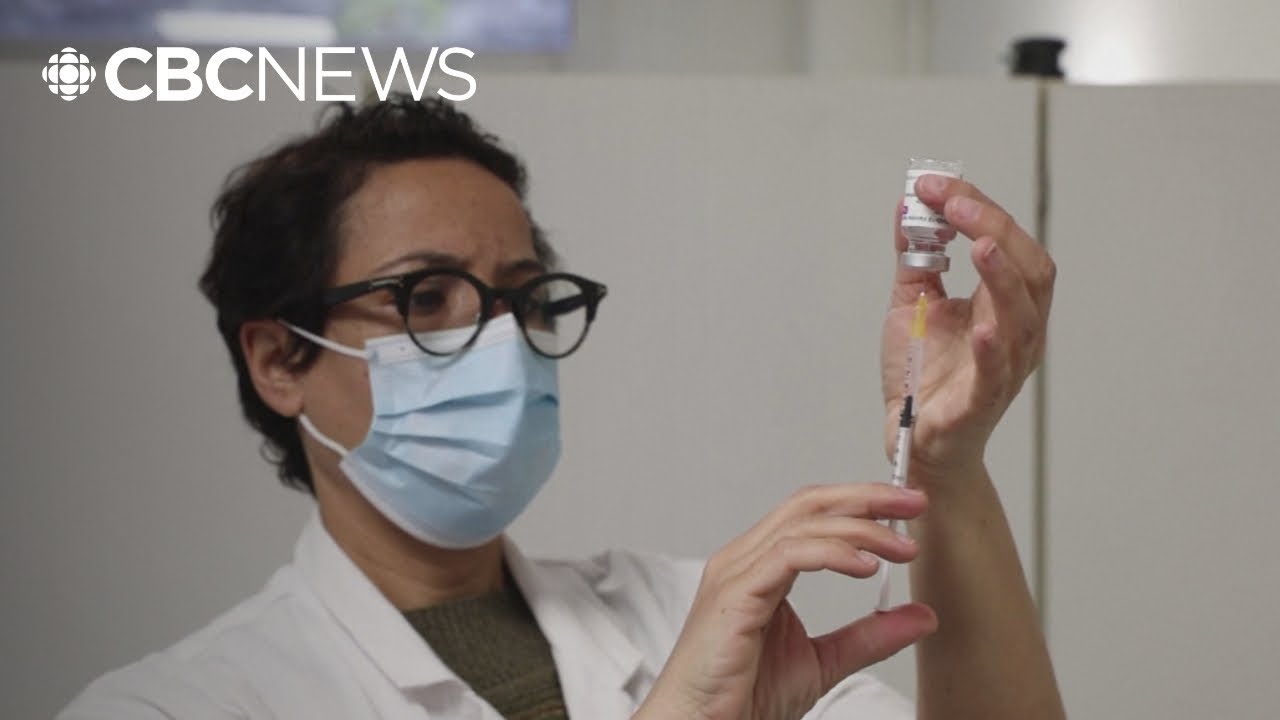
More than five years have passed since a global pandemic was declared, but COVID-19 remains ever-present. However, more research is now available on the long-term effects the disease has on the human body. CBC Health columnist Dr. Melissa Lem has more on long COVID.
Connect with CBC Vancouver online:
Website: https://www.cbc.ca/bc
TikTok: https://www.tiktok.com/@cbcvancouver
#CBCVancouver #CBCNews #BritishColumbia #covid19 #longcovid #symptoms #health
More than 5 years have now passed, if you can believe it, since a global pandemic was declared, but CO 19 remains ever present and everpresent and there is more research on the long-term effects the disease has on the human body. Dr. Melissa Lim is our medical columnist and joins us now. Good to see you, doctor. We know some people recovered quickly from CO and others got long CO have been still dealing with this. What are you seeing in your practice? Well, unfortunately, Dan, I do have several patients with long COVID in my practice and they range from younger patients in their 20s to older patients, those who are previously totally healthy and then also those with preexisting conditions and unfortunately I also have colleagues, close colleagues who who suffer with long COVID, sometimes being debilitated for years affecting their work and life after they get infection and this is unfortunately not surprising because about 20% of people who contract COVID end up developing long co and interestingly enough early in the pandemic we heard lots of recommendations to get vaccinated and in fact that is a way to reduce your risk of longco. It cut your risk of uh developing it by 50% if you got it if you were infected when you were vaccinated already. Is it also concerned though that perhaps people who did get vaccinated got and were up to date also got long co. Yeah. So it didn’t completely eliminate your risk but it did reduce it. And the thing about long co is is that unfortunately middle-aged women are more likely to contract it. And um and it’s unfortunately again can be debilitating with those ongoing symptoms of fatigue and shortness of breath, dizziness and and memory and cognitive issues that can last for a long time. We when you talk about cognitive issues, we’ve also heard this phrase brain fog. People living with co long co feeling like they’re in a haze. What what might be behind that? Well, the term brain fog really became more popular during the pandemic because after people were infected with COVID, they were seeing more um problems with slow thinking, word finding difficulties and and memory issues. And the the cause behind it, one of the major causes is inflammation. When your brain tissue is inflamed, it doesn’t work as well. And also, when you’re dealing with those ongoing symptoms, you tend to get more depression and anxiety, which can also affect your cognition. And in terms of people who tend to get brain fog more often, it’s those who have more severe infection and also those with um pre-existing conditions like diabetes, heart disease, depression, and anxiety. And also being lower income can can increase your risk because those socioeconomic factors come into play. Why is it you mentioned middle-aged women, why is it you say what we’re seeing more cases or that they’re more susceptible? Scientists don’t really know the answer to that, but they think it has something to do with how your immune system reacts to CO 19. And it’s really like playing Russian roulette anytime you catch it because the more times you catch it, the more likely you risk. So about 15% of people who have COVID once develop develop long COVID. But if you have it three or more times, your risk is closer to 40%. So it’s really best to try to avoid it as much as you can and that primarily being through vaccines, vaccines, masking, avoiding crowded indoor spaces, all those public health measures we became really familiar with. Are there any possible or effective treatment options for people who are living with long co? We know we’ve seen lots of studies about uh how people are doing and and in Canada and the US. Anything that that can give people some hope who live with this? Well, over time people do tend to get their symptoms do tend to improve. And there are all kinds of things you can do if you catch COVID, which is rest as much as you can. Some people say taking antihistamines um can also help kind of in the in the immediate term to prevent longer term COVID. And it’s different because a lot of us are on the go. We want to get back to life, but the best thing you can do is rest and take the time you need to recover. Otherwise, your chances are typically higher. All right, Dr. Melissa Lim, we appreciate your time and expertise as always. Thanks for keeping us up to date. Thanks, Dim.