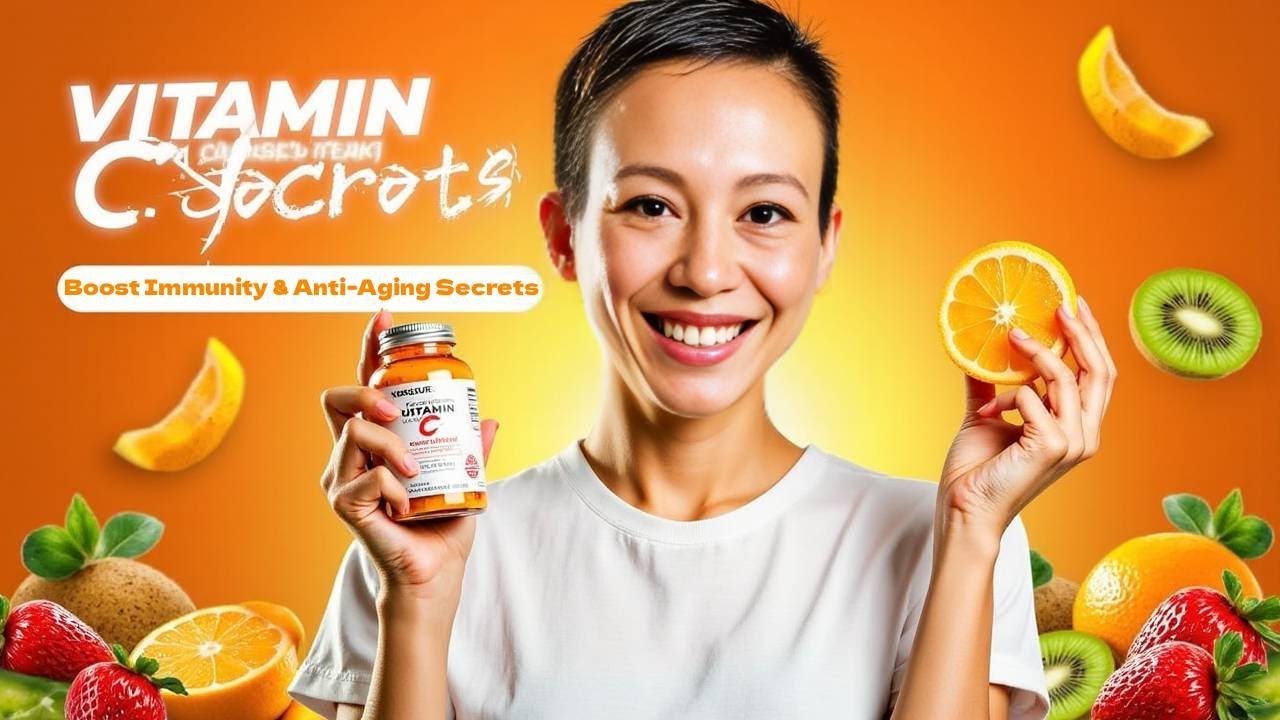
Unlock the power of Vitamin C! In this comprehensive guide, we dive deep into one of the most essential nutrients for your health. Whether you’re looking to boost your immune system, achieve glowing skin, or simply understand how much Vitamin C you truly need, this video has you covered.
What you’ll learn in this video:
✅ What is Vitamin C and why is it crucial for your body?
✅ Delicious fruits and vegetables to naturally boost your intake
✅ Debunking myths and providing clear guidelines for daily intake.
✅ Should you take Vitamin C supplements? When are they necessary, and what to look for.
Chapters:
00:00 Introduction
02:16 What is Vitamin C?
04:10 Vitamin C and Your Body Immune System
05:57 Vitamin C Deficiencies
08:40 Food riches of Vitamin C
09:34 Dosages and Side Effects
[Music] [Music] Do you have a passion for extraordinary supercars and powerful sports cars? Supercars, sports cars, what has got to do with our channel. Yes, we know it sounds irrelevant, but use your imagination for a while. Imagine buying a brand new top-of-the-line supercar with incredible engineering and cutting edge performance. A top-notch, a beauty, and a last and a best in the market, but then you only ever drive it to the grocery store or send your child to kindergarten. It’s ridiculous, right? Our point is just like a super car is designed for high performance driving, many nutrients are designed for high performance living. By high performance living, we mean living a life where you feel energetic, healthy, and vibrant. It’s time to harness these nutrients to their full potential and achieve this kind of lifestyle. Vitamin C is like a supercar for your health. Many people only see it as a remedy for colds, but it’s so much more than that. Vitamin C is a powerful antioxidant that can protect your cells from damage, offering a promising future for your health. Vitamin C is the unsung hero of your health, contributing to healthy skin, strong bones, and flexible joints, but its benefits are not limited to these areas. It encompasses a range of bodily functions, making it a versatile and essential nutrient for overall well-being. Its versatility is what makes it so intriguing and worth exploring. Getting enough vitamin C is not just a suggestion. It’s your responsibility. But don’t see it as a burden. It’s an opportunity to take control of your health and feel confident in your body’s performance. You probably think of oranges and fighting off colds, right? And you’d be right. But vitamin C does so much more for your body than you might imagine. It’s a proper powerhouse nutrient. So what exactly is vitamin C? Scientifically, it’s known as elascorbic acid or simply ascorbic acid. It’s a water soluble vitamin, meaning your body doesn’t store it in large amounts. You need a regular supply through your diet. And here’s the crucial part. Unlike most animals, humans cannot produce their own vitamin C. Our ancestors lost the gene responsible for its synthesis millions of years ago, making it an essential nutrient for us. We literally need to eat it to survive. One of vitamin C’s most celebrated roles is its power as an antioxidant. But what does that even mean? Our bodies are constantly producing free radicals. Unstable molecules that can damage our cells, DNA, and proteins. This damage is like rust on metal, contributing to aging and chronic diseases like heart disease and cancer. Vitamin C steps in like a superhero, donating electrons to neutralize these free radicals, protecting our cells from harm. Think of it as your body’s personal bodyguard against oxidative stress. Want healthy skin, strong joints, and even resilient blood vessels? You can thank vitamin C. This vitamin is absolutely critical for the production of collagen. Collagen is the most abundant protein in the human body, forming the structural framework for our skin, bones, tendons, ligaments, and blood vessels. Without adequate vitamin C, your body can’t produce strong, stable collagen. This is why historically severe vitamin C deficiency known as scurvy led to symptoms like fragile skin, bleeding gums, and wounds that wouldn’t heal. So, if you’re looking for that youthful glow, strong nails, or speedy wound recovery, vitamin C is your ally. And of course, we can’t discuss vitamin C without mentioning its vital role in supporting your immune system. Vitamin C doesn’t just prevent colds. It enhances the function of various immune cells like fagosytes and lymphosytes, which are your body’s frontline defenders against pathogens. It helps them operate more efficiently, protecting you from infections and aiding in your recovery when you do get sick. While it might not prevent you from getting a cold, consistent intake can absolutely reduce the severity and duration of your symptoms. But wait, there’s more. Vitamin C also plays a role in iron absorption. This essential nutrient significantly enhances the body’s ability to absorb non-heem iron, the type of iron predominantly found in plant-based foods such as legumes, nuts, seeds, and leafy greens. This function is particularly advantageous for vegetarians and vegans who may have a higher risk of iron deficiency due to the absence of hem iron which is found in animal products. Neurotransmitter production. This nutrient is vital for the synthesis of neurotransmitters including norepinephrine which plays a key role in communication between nerve cells. Stress reduction. Emerging research suggests that this nutrient may help mitigate both the physical and psychological impacts of stress. Enhancing the body’s resilience to stressors may contribute to a greater sense of calm and overall mental wellness. Eye health. This nutrient may contribute to better eye health by potentially lowering the risk of developing cataracts and slowing the progression of age related macular degeneration, a leading cause of vision loss in older adults. Its protective effects may help preserve vision and maintain overall ocular health. Vitamin C deficiency symptoms can range from mild to severe, typically appearing after 4 to 12 weeks of insufficient intake. Here are the common symptoms of vitamin C deficiency categorized by severity and affected body systems. People may notice easy bruising and small red or blue spots on their lower legs known as petiki. These can turn into larger purple marks known as perura. They might also notice tiny red spots around hair follicles which are caused by bleeding in small blood vessels known as parapalicular hemorrhage. Additionally, dry and damaged skin can lead to more wrinkles and wounds may heal slowly, sometimes reopening old injuries. Gingivitis is characterized by swollen, tender, and bleeding gums, which may appear inflamed and have a purple hue. It can lead to loose teeth and in severe cases, tooth loss due to gum recession that weakens the support structures around the teeth. Severe joint pain and swelling can result from bleeding into the joints causing significant discomfort. In children, this can impair bone formation leading to pain, weakness, and stunted growth. It may also cause bleeding beneath the bone membrane. Anemia is often associated with the iron deficiency highlighting the role of vitamin C in iron absorption. This deficiency can cause increased fatigue and palar. Internal bleeding may manifest as spontaneous hemorrhages commonly in the bulbar conjunctiva of the eyes. Still, it can also occur in more serious areas such as the brain or near the heart. Although these cases are rare, individuals with weakened immune systems are more prone to infections and may experience worsening symptoms. One common issue is dyspa or shortness of breath which becomes noticeable in advanced stages. They may also experience edema particularly in the lower legs causing uncomfortable swelling. In severe untreated cases, neurological symptoms such as nerve issues, confusion, and convulsions may occur indicating severe health deterioration. Jaundice marked by yellowing of the skin or eyes due to red blood cell destruction. A prolonged lack of vitamin C in the diet can lead to a condition called scurvy. Be aware of some early symptoms as these often appear first and can be mistaken for other conditions. Symptoms include ongoing tiredness and a lack of energy, changes in mood and increased irritability, loss of appetite, unexpected weight loss, and general muscle pain and joint pain. Now that you know why you need it, where can you obtain it? Most people instantly think of oranges, and they’re great. However, there’s a whole world of delicious options available. Red and yellow bell peppers actually pack more vitamin C than an orange. Strawberries are sweet, juicy, and loaded with vitamin C. Tiny but mighty kiwi. Broccoli and Brussels sprouts. Yes, even your cruciferous veggies are excellent sources. And surprisingly, a medium potato provides a decent amount of this vitamin. Citrus fruits such as oranges, grapefruits, lemons, and limes. Classic and reliable. Remember, cooking can reduce vitamin C content. So, incorporating raw or lightly steamed fruits and vegetables is best. Aim for a variety to get all your nutrients. And while supplements exist, getting your vitamin C from whole foods offers additional benefits like fiber and other vitamins and minerals. When it comes to supplements, the recommended daily intake of vitamin C varies by age. Infants need 40 mg, increasing to 50 mg for those aged 7 to 12 months. Children aged 1 to 3 require 15 mg, while those aged 4 to 8 need 25 mg. For children aged 9 to 13, the requirement is 45 mg. Teen girls 14 to 18 years should aim for 65 mg, while boys in the same age range need 75 mg. Adults over 19 require 75 mg for women and 90 millig for men. Pregnant women should get 85 mg and breastfeeding women need 120 mg. Vitamin C supplementation can cause side effects like nausea, vomiting, diarrhea, heartburn, and stomach cramps. Bloating due to unabsorbed vitamin C. There’s also a higher risk of calcium oxalate kidney stones, especially for those with a history of kidney disease. Individuals with conditions like hemocchromattosis may experience worsened iron absorption and potential organ damage from high doses. Excessive vitamin C can also interfere with the absorption of other essential nutrients such as vitamin B12 and copper. Chewable tablets can harm tooth enamel if not appropriately dissolved and may cause gastrointestinal discomfort when taken in high doses at night leading to sleep disruption. They can also cause allergic skin reactions and interfere with medical tests like glucose screenings and stool tests for oult blood due to elevated vitamin C levels. Be cautious that vitamin C can interact with certain medications including aluminum containing antacids can increase aluminum absorption in the body. Chemotherapy and radiation therapy may be less effective when certain substances are present. Oral contraceptives and hormone replacement therapy can raise estrogen levels. Protease’s inhibitors might reduce the effectiveness of antiviral medications while combining statins with niacin may diminish the heart protective benefits of statins. And don’t forget, it is always advisable to consult a health care professional before starting any vitamin C supplementation, especially for specific health conditions or if taking other medications. The content on this channel is forformational purposes only and is not a substitute for professional medical advice. Always consult with your doctor before starting any supplement or making changes to your health routine. We are not responsible for any actions taken based on this content. Thank you for watching our videos and take care of yourself.