__
Vitamin A: The Vision, Skin, and Immunity Powerhouse
#VitaminA #EyeHealth #ImmuneSupport #HealthySkin #VitaminDeficiency #NutritionMatters #WellnessTips #SimpleHealth #HealthyLiving #EssentialNutrients
#HealthTips #DailyWellness #VitaminDeficiency #UKWellness #USAHealth #EuropeLifestyle #NutritionMatters #HealthyLivingTips #ImmunityBoost #SkinCareRoutine #HairCareNaturally #StressReliefTips #NaturalHealing #MindBodyWellness #HealthyHabits #HolisticHealth #BeautyFromInside #GutHealthMatters #WellnessForAll #SimpleHealthTips #Bodybuilding #MuscleGain #GymMotivation #FitnessJourney #NaturalBodybuilding #WorkoutTransformation #ShreddedPhysique #BulkingSeason #CuttingPhase #FitnessMotivation #StrengthTraining #NoPainNoGain #TrainHard #FitLife #GymGoals #FitnessAddict #UKFitness #USAWorkout #EuropeFitness #GymRoutine #MuscleBuilding #GymVibes #HealthyGains #DailyWorkout #FitInspiration #AestheticPhysique
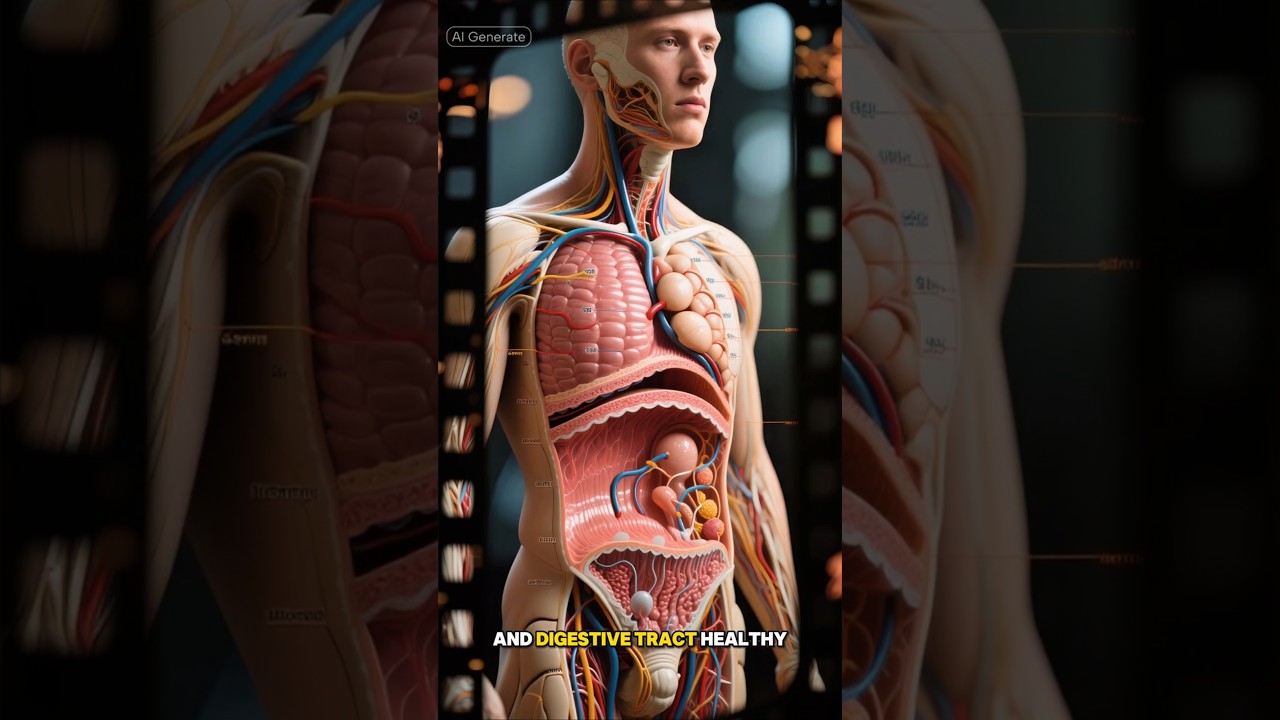
Do you struggle with poor night vision, dry eyes, or frequent infections? Maybe your skin feels rough and dry for no reason. These are common signs of vitamin A deficiency, a nutrient your body can’t function properly without. Vitamin A is a fat-soluble vitamin that plays critical roles in vision, immune strength, skin renewal, and cellular growth. It exists in two forms. Pre-formed vitamin A from animal sources like retinol and provide alike betaarotene found in plant-based foods. The most well-known function of vitamin A is its role in vision. It’s essential for forming redopsin, a pigment in the retina that allows your eyes to adjust to low light conditions. Without enough vitamin A, your night vision can weaken, leading to a condition called night blindness. Beyond vision, vitamin A helps maintain healthy skin by supporting the production and repair of skin cells. It also keeps the mucous membranes of your nose, lungs, and digestive tract healthy, acting as your body’s first line of defense against bacteria and viruses. Vitamin A is also crucial for a strong immune system. It supports the development of white blood cells, which fight infections and reduce inflammation. Low levels of vitamin A can weaken your immune response, making you more vulnerable to illness. In children, vitamin A is vital for growth and development. Deficiency during early life can result in stunted growth and higher risk of infections, especially in low nutrient diets. Signs of vitamin A deficiency include dry eyes, poor vision in dim light, frequent infections, dry or rough skin, slow wound healing, and in severe cases, complete blindness. Long-term deficiency can lead to permanent eye damage. So, where can you get this vitamin? Good animal-based sources include liver, fish oils, eggs, and dairy products like cheese and butter. Plant-based sources include carrots, sweet potatoes, spinach, kale, butternut squash, and mangoes. All rich in beta carotene, which your body converts to vitamin A. But here’s the thing. People with restricted diets, low fat intake, or absorption disorders may not get enough vitamin A from food. In such cases, supplements can help support your daily needs. However, since vitamin A is fat soluble and stored in the body, too much from supplements can be harmful. Always consult a health care professional before using any supplement. In short, vitamin A is not just about seeing clearly. It’s about healing, growing, protecting, and staying resilient. If you learned something today, comment below, share this with a friend, and don’t forget to subscribe. Simple, clear health knowledge can make all the difference in how you feel and live.