
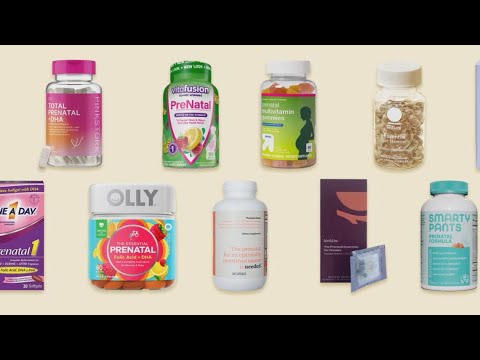
If you’re pregnant or trying to get pregnant, a prenatal vitamin is important.
The goal of course is to get your vitamins and minerals from your food, but sometimes getting all that you need just isn’t possible unless you take it in a pill form. So for example, take iron. A pregnant woman would have to eat more than 4 cups of lentils a day to get the recommended amount. Even with a healthy diet, it’s extremely hard to get enough of the key. needed during pregnancy. A prenatal vitamin can help cover your bases to support you and your growing baby. Consumer Reports took a look at 15 popular prenatal vitamin brands and found that not all the supplements provide the full amounts of nutrients that expectant moms need. Some omit key nutrients like iron, calcium, or choline. So what should you look for on the label? Well, experts say you need to prioritize those micronutrients that the ACOG recommends during pregnancy. That’s folic acid, calcium, iron, iodine, choline, and vitamins A, C, D, and B vitamins. Of the 15 brands Consumer Reports looked at, burden B, the prenatal essentials, and. Nama prenatal multivitamin folic acid plus DHA soft gels had the most recommended micronutrients for pregnancy, although some were still below the recommended daily amounts. So as you’re shopping, you need to look for third party certifications like NSF International, USP or Consumer Lab.com. These Groups test to ensure that what’s on the label is actually in the bottle and some also test for contaminants like heavy metals. Now, getting ready for baby may seem overwhelming, but health experts say make prenatal vitamins a priority. — Without
— supplementation during pregnancy, maternal vitamin levels can drop, which can increase the risk of serious complications like preeclampsia or birth defects. And taking prenatal vitamins should continue after you have the baby. Experts say it’s beneficial for the full duration as a woman is breastfeeding.