#SupplementMadness #CancerNutrition #WellnessWatch #VitaminDTruth
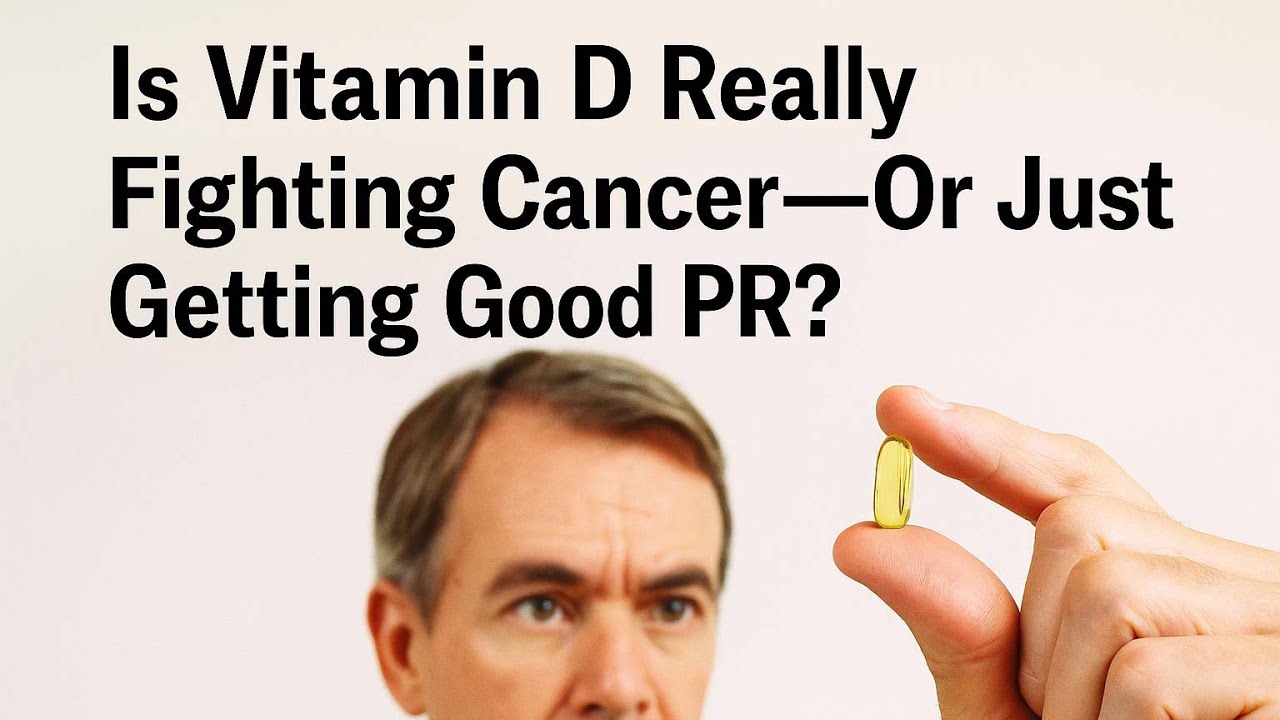
Vitamin D has emerged as one of the most intensely studied nutrients in cancer research. Hailed by some as a potential anti-cancer agent and dismissed by others as just another overhyped supplement. With its role in immune regulation, cell differentiation, and inflammation control, vitamin D appears, at least mechanistically, to offer plausible protection against cancer development. Yet, after decades of investigation, the clinical evidence remains frustratingly inconsistent. While deficiency is undeniably harmful and some observational studies point to a protective link, large-scale intervention trials have delivered mixed or disappointing results. This disconnect has important implications, especially as vitamin D supplementation becomes routine among cancer patients, survivors, and aging adults, often without adequate medical oversight. At the heart of the debate is a gap between correlation and causation. Numerous observational studies have found that people with higher blood levels of 25 hydroxivitamin D tend to have lower rates of colarctyl, breast, and prostate cancer. These findings have fueled speculation that vitamin D might suppress tumor formation or slow disease progression. However, individuals with higher vitamin D levels are also more likely to be physically active, spend more time outdoors, eat better, and have higher socioeconomic status. all factors independently associated with lower cancer risk. In other words, vitamin D may be a marker of good health, not a cause of it. When researchers have tested vitamin D supplementation in randomized control trials, the gold standard of medical evidence, the results have often been underwhelming. The Vital Study, one of the largest trials to date, followed over 25,000 adults given 2,000 IU of vitamin D daily. It found no statistically significant reduction in overall cancer incidents compared to placebo, though there was a suggestion of lower cancer mortality in a subset of participants who had normal weight. Other trials have shown minor or no benefit, and some have reported contradictory effects depending on baseline vitamin D status, body composition, or type of cancer. This raises a critical point. Vitamin D is not a one-sizefits-all nutrient. Its effectiveness, if it has one, likely depends on individual factors like deficiency status, genetics, and inflammatory burden. Supplementing a person with already adequate levels may do nothing, while restoring sufficiency in someone severely deficient could improve immune surveillance or reduce cancer-promoting inflammation. Unfortunately, many trials do not stratify participants by their baseline vitamin D levels, which may obscure true effects in sub populations who stand to benefit. There is however little doubt that deficiency is harmful. Low vitamin D levels are common in aging adults, people with obesity, those living in northern latitudes, and individuals undergoing cancer treatment. Chemotherapy, limited sun exposure, and chronic illness can all reduce vitamin D synthesis or absorption. In these groups, deficiency has been linked to worse cancer outcomes, higher infection risk, and greater fatigue. In such cases, supplementation is not about prevention but about restoring basic physiological function and it should be viewed as essential supportive care, not an experimental therapy. Yet, even here, caution is needed. Highdose vitamin D supplementation, especially when taken long-term without monitoring, can lead to toxicity. Excess vitamin D raises blood calcium levels which can cause nausea, kidney stones, confusion, and in extreme cases, cardiovascular or renal damage. Toxicity is rare but documented, particularly in people taking 10,000 IU or more daily without testing. The optimal range for supplementation remains contested, but most guidelines recommend a maintenance dose between 800 to 2,000 IU per day with higher amounts used only under medical supervision and regular blood monitoring. The supplement industry, unfortunately, has capitalized on the ambiguity. Vitamin D is marketed as a miracle nutrient, cheap, natural, and protective against everything from cancer to depression. But such claims, especially in the context of cancer prevention or treatment, are premature and potentially misleading. Supplementing without lab work or medical input, may offer a false sense of protection and delay more meaningful interventions like lifestyle changes, screenings, or adherence to treatment. In the oncology setting, vitamin D should be approached with nuance. It’s neither a magic bullet nor an inert supplement. It should be part of a broader conversation about nutrition, inflammation, and metabolic health, measured, individualized, and used where there is clear clinical need. For some patients, maintaining adequate vitamin D levels may support immune function, improve quality of life, or reduce recurrence risk. For others, adding more offers no benefit, and may add risk. In summary, vitamin D occupies a complex place in cancer care. Deficiency is common and dangerous and correcting it is a basic aspect of good clinical nutrition. But the anti-cancer promise of highdose supplementation remains unproven. Until more targeted research can clarify who benefits and why, the safest and most responsible course is moderation, testing, and medical supervision. Hope is important, but it must always be grounded in evidence, not assumption.