Are you over 60 and feeling frustrated with muscle loss, even when you’re eating right and staying active? You may have been told magnesium is the answer, but what if there’s a better way? In this video, I, Dr. William Li, reveal the two essential vitamins that are scientifically proven to help you rebuild muscle overnight, working more effectively than magnesium.
We dive deep into the science of nighttime recovery and how your body performs over 70% of its muscle repair while you sleep. You will learn the precise timing and dosage of Vitamin D3 and Zinc needed to activate this powerful natural cycle. Understanding this process is the key if you want to successfully rebuild muscle overnight. We won’t just cover what to take; we’ll also expose the 3 common supplements, including one you’ve likely taken this week, that can completely sabotage your progress and prevent your body from being able to rebuild muscle overnight.
This guide is not about complicated gym routines; it’s about smart, science-backed nutrition to combat age-related muscle loss (sarcopenia) and help you regain your strength and independence. Discover the simple changes you can implement tonight to finally rebuild muscle overnight and wake up feeling stronger. If you are serious about your health and want to maximize your body’s potential for muscle growth, this is information you cannot afford to miss. Learning how to rebuild muscle overnight can be a true game-changer for your vitality and quality of life after 60.
Join our community of friends dedicated to aging with strength! If you find this video helpful, please click the LIKE button, and SUBSCRIBE for more health secrets you won’t find anywhere else.
Welcome to SENIOR FOOD ADVICE — where science meets nature.
I’m Dr. William Li, a physician with over 25 years of experience helping older adults combat muscle loss and chronic fatigue through targeted nutrition and natural therapies.
On this channel, you’ll learn:
How specific foods can boost strength and longevity
The best natural remedies for seniors
How to prevent muscle loss and weakness through diet
Science-backed strategies for healthy aging
If you believe that food is medicine, you’re in the right place.
👉 Subscribe today and take charge of your health naturally.
Disclaimer:
This channel is for educational purposes only. The content shared here is not a substitute for professional medical advice. Always consult your healthcare provider before making any changes to your diet, medications, or lifestyle.
#SENIORFOODADVICE #Health #Medical #Healthy #NaturalHealing #HealthIsWealth#Over60Health#MuscleGrowth#SeniorFitness#RebuildMuscle#Sarcopenia#VitaminD3#Zinc#DrWilliamLi
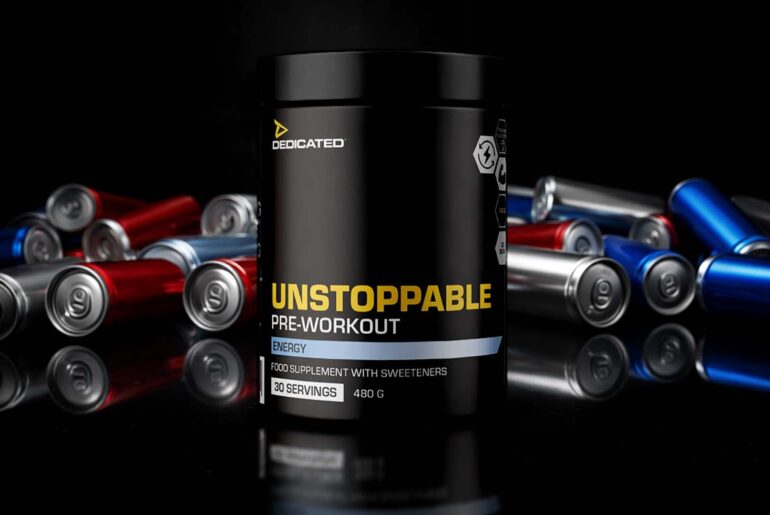
Even if you exercise every day, eat all your protein, and take your daily supplements, but you don’t take these specific vitamins at nighttime, you still won’t build muscle, especially as you age. You’ve been told for years that magnesium is the key to muscle growth, right? Well, what if I told you that was a lie. Forget magnesium. My name is Dr. William Lee. I’m a physician with over 25 years of experience specializing in age related muscle loss. And I’ve seen how this simple misunderstanding sabotages so many people. The real secret isn’t what you do in the gym. It’s what happens while you sleep. Your muscles perform 70% of their repair and growth at night. A critical window that most people are wasting. Today, I’ll reveal two essential vitamins that build muscle overnight, far better than magnesium ever could. And crucially, I will expose three supplements you must never take at night. The last one is so common. I guarantee you’ve taken it this week. Before we dive in, I need to know if this sounds familiar. If you’ve ever felt that frustration, doing everything right, but seeing no results, please just type a simple yes in the comments below. It tells me you understand, and it shows others in our community they are not alone. Okay, let’s get started. Part one, the sunshine vitamin for nighttime strength, vitamin D3. Let’s begin with a supplement that I consider foundational for nighttime muscle repair. A vitamin so powerful that its absence can slow down your body’s muscle building engine by a staggering 60%. I’m talking about vitamin D3. Now, many of us associate vitamin D with sunlight and bone health, and that’s absolutely correct. But its role in our strength and vitality, especially as we sleep, is a profound and often overlooked secret to healthy aging. When you take a vitamin D3 supplement with your evening meal, you are essentially setting the stage for a powerful night of reconstruction. As you drift into sleep, this vitamin gets to work, acting like a master key. It unlocks special receptors in your muscle cells known as VDRs. Think of these VDRs as docking stations on the surface of your muscles. Without vitamin D, these docking stations remain closed. But when D3 is present, the gates open wide, telling your muscles to absorb the crucial minerals, calcium and phosphorus, from the food you ate during the day. These minerals are not just for bones. They are the essential electrolytes that allow your muscle fibers to contract, to fire, and ultimately to grow stronger. But the magic doesn’t stop there. Vitamin D at night sends a crucial signal to your endocrine system to optimize the production of testosterone while you sleep. For both men and women, testosterone is a vital anabolic hormone, meaning it is fundamental to building tissue, including muscle. It’s the foreign on the construction site, telling your body to take the protein you’ve eaten, and use it to build new, strong muscle tissue overnight. Without enough vitamin D, this entire process is handicapped. It’s like having a full crew of construction workers and all the bricks you need, but the foreman never shows up to give the orders. Furthermore, one of the greatest enemies of muscle as we age is chronic low-grade inflammation. It’s a silent process that slowly breaks down tissue. Vitamin D is a potent anti-inflammatory agent. While you sleep, it works to calm this inflammation in your muscle tissues, allowing them to recover more efficiently from the day’s activities and preventing the gradual breakdown that leads to sarcopenia or age related muscle loss. This is especially critical for us because as we get older, our skin becomes less efficient at producing vitamin D from sunlight and we may spend more time indoors. This creates a perfect storm for deficiency. The evidence for this is not just theoretical. It’s backed by compelling research. A landmark study from Harvard University followed hundreds of seniors with low vitamin D levels for eight months. The group that took a daily vitamin D3 supplement gained an average of 2.8 pounds of lean muscle mass. The other group, which did not, gained a mere 0.4 pounds. The difference is astounding. This isn’t a new concept. Think of the ancient Viking warriors. During the long, dark Scandinavian winters with almost no sunlight. They relied on cod liver oil, one of nature’s richest sources of vitamin D to maintain their legendary strength. They understood intuitively what science has now proven. So, how can you apply this ancient wisdom tonight? The solution is simple. I recommend taking 2,000 to 4,000 international units or IU of a vitamin D3 supplement with your evening meal. It must be taken with a meal that contains healthy fats as vitamin D is fat soluble, meaning it needs fat to be properly absorbed. You can also craft a dinner designed for muscle building. Imagine a beautiful 4 oz piece of salmon grilled with herbs. That single piece of fish can contain more vitamin D than most people get in a week. Pair it with some mushrooms roasted with rosemary until their edges are crispy and a side of mashed sweet potatoes loaded with a pat of grass-fed butter for maximum absorption. A glass of fortified milk before bed completes the picture. This isn’t just a meal, it’s a prescription for overnight strength. Part two, the master mineral for growth, zinc. If vitamin D3 is the key that opens the door for muscle repair, then our next supplement, zinc, is the master foreman who directs the entire construction crew all night long. Taking vitamin D3 alone is a fantastic first step. But without adequate zinc, you are still leaving so much of your muscle building potential on the table. Here’s why. During your deepest phases of sleep, your body releases its most potent muscle building substance, human growth hormone. This is the miracle worker of nighttime recovery. But what most people and even many doctors don’t realize is that this growth hormone is completely dependent on zinc to function properly. Zinc is what we call a co-actor for over 300 different enzymes in the body, many of which are directly responsible for rebuilding muscle tissue while you sleep. When your zinc levels are optimal, these powerful enzymes remain active for the full 6 to eight hours of a good night’s rest, tirelessly repairing fibers and building new tissue. However, when you are deficient in zinc, this entire process can slow down by up to 60%. Your body’s repair crew essentially clocks out early, leaving the job half finished. What’s truly shocking is that zinc deficiency is a silent epidemic among seniors affecting over 40% of the population worldwide. It’s one of the most common nutritional deficiencies I see in my practice. Yet, it is rarely tested for routine checkups. This deficiency has devastating consequences for muscle health. Low zinc levels directly slow down the transport of amino acids, the building blocks of protein into your muscle cells during sleep. So, you can eat a perfect proteinrich diet, but if you’re low on zinc, those amino acids can’t get to where they need to go. They’re like packages stuck at the post office with no one to deliver them. This is why so many seniors tell me, “Doctor, I eat plenty of chicken and fish, but I just keep getting weaker.” They are missing this critical delivery mineral. The symptoms are often mistaken for just getting old, waking up feeling sore and stiff, slow recovery after simple activities like gardening, and a general feeling that your body isn’t bouncing back like it used to. This isn’t just a part of aging. It’s a sign of a critical mineral deficiency. The science on this is incredibly clear. A groundbreaking study from the University of Michigan took a group of zinc deficient seniors and tracked them for 12 weeks. The participants who took just 20 milligs of zinc daily saw a 34% increase in their muscle protein synthesis. That means their bodies became over a third more efficient at turning the protein they ate into actual muscle. They also reported a 40% faster recovery from exercise. The researchers made a remarkable discovery. Zinc literally turns on the genetic switches inside your cells that command your muscles to grow stronger and repair faster. This knowledge isn’t new. It’s ancient. Over 4,000 years ago, ancient Egyptian physicians would use zincrich remedies like applying calamine to heal the wounds of their warriors and restore their fighting strength. They knew its power to rebuild tissue. To harness this power for yourself, the protocol is simple and precise. Take your zinc supplement, typically 15 to 30 milligrams, with a full glass of water about 2 hours before you go to bed. This timing ensures it doesn’t interfere with the absorption of other minerals from your dinner and that its levels peak in your system right when your body releases growth hormone. It’s shocking that 40% of seniors are affected by this. If this information is new to you, comment zinc below to help spread awareness. Part three, the nighttime sabotur you think is healthy. B complex. Now that we have established the two nighttime heroes for muscle building, vitamin D3 and zinc, it is just as important, if not more so, to talk about the villains. These are the supplements that many people take with the best of intentions, believing they are helping their bodies when in reality they are actively sabotaging their own muscle building efforts, especially at night. And the number one offender on this list might surprise you. It is the B complex vitamin. At first glance, this sounds completely counterintuitive. After all, we are constantly told that B vitamins are essential for energy, for nerve health, for metabolism. Doctors, nutritionists, and health articles all recommend them, and millions of seniors take them daily, often with dinner, thinking they are helping their bodies fight fatigue and stay strong. But here is the hidden critical truth. When it comes to building muscle, timing is everything. And taking B complex in the evening is one of the worst things you can do for your nighttime recovery. The reason is simple. B vitamins are stimulants. Vitamins like B6, B12, niacin, and rioplavin are specifically designed to rev up your nervous system. They speed up your metabolism, slightly increase your heart rate, and boost alertness. This is all wonderful and incredibly useful in the morning. Taking a B complex with breakfast can help fuel your day, give you mental clarity, and provide the energy you need to stay active. But at night, this exact same effect becomes a disaster for muscle growth. Remember, muscles are not built in the gym while you are lifting weights, nor are they built at the dinner table while you are eating protein. They are built almost exclusively during deep restorative sleep. This specific phase of sleep called slowwave sleep is when your body releases its peak amount of human growth hormone, repairs damaged muscle fibers, and synthesizes new lean tissue. But if your nervous system is still buzzing and switched on from a late dose of B vitamins, you will struggle to enter and remain in this critical deep sleep phase. Your body might be resting, but your brain isn’t, and the hormonal signals for muscle growth are never fully sent. A comprehensive 2019 review in the journal Sleep Medicine confirmed this, showing that older adults who took B vitamins in the evening had significantly reduced melatonin production, a delayed onset of sleep, and far fewer precious minutes spent in those restorative deep sleep cycles. It gets worse. This evening stimulation from B vitamins can also cause a spike in cortisol, your body’s primary stress hormone. Cortisol is the natural enemy of muscle. While growth hormone is anabolic, it builds. Cortisol is catabolic. It breaks down. Elevated cortisol at night not only keeps you awake and anxious, but it ao tivly signals your body to break down muscle tissue for energy. For any senior already battling age related muscle loss, this is like pouring gasoline on a fire. I will never forget a patient of mine, a wonderful 87y old woman named Brenda. She came to me completely frustrated. She was exercising faithfully, drinking her protein shakes, and doing everything she thought was right, but she kept losing strength. After a careful review of her routine, we found the culprit. She was taking her B complex supplement right after dinner every night. We made only one change. We moved that same supplement to her breakfast. The results were astonishing. Within a week, she reported sleeping more deeply than she had in years. Within 3 weeks, she had regained two pounds of lean muscle and told me she felt stronger and more stable on her feet. The lesson is powerful. If you want your body to build, you must first let it rest. Let B vitamins fuel your day and then allow your nights to be for deep, uninterrupted repair. Part four, the antioxidant that blocks your gains. Vitamin C. The next supplement on our list of things to avoid at night is another one that will likely surprise you as it’s universally praised as a miracle nutrient. I’m talking about vitamin C. We take it to boost our immune system, to heal our skin, and to fight off colds. Many people, especially seniors, take a dose in the evening with their dinner or broth, believing that its healing properties will work their magic overnight. And while vitamin C is undeniably important for overall health, taking it close to bedtime can quietly and effectively shut down your body’s natural muscle repair cycle. The reason for this paradox lies in the very thing that makes vitamin C so famous, its power as an antioxidant. While that sounds like a universally good thing, it turns out that at night, your muscles actually need a small amount of controlled oxidative stress to trigger the recovery process. This mild temporary stress generated from the day’s activities is a biological signal. It’s the flare that goes up telling your body’s repair crew, “Hey, we have some damage over here. It’s time to release growth hormone, activate repair pathways, and rebuild these fibers stronger than before.” But when you flood your system with a large dose of a powerful antioxidant like vitamin C right before bed, you essentially extinguish that signal flare before the repair crew can even see it. You blunt the signal. This has been shown in studies on older adults where high antioxidant intake before bed was found to reduce the body’s ability to activate something called mTor signaling. The mTor pathway is the master switch that tells your muscles to absorb amino acids and grow. In simple terms, by taking vitamin C at night, your muscles don’t get the message to repair themselves, even if you’ve consumed plenty of protein. The building blocks are there, but the instructions to start building are silenced, and the negative effects don’t stop there. Similar to B vitamins, vitamin C is also mildly stimulating to the nervous system. It plays a role in producing norepinephrine, a brain chemical that promotes alertness. While it’s not as potent as caffeine for a senior who may already be a light sleeper, it can be just enough to cause tossing and turning, preventing you from reaching those deep restorative phases of slowwave sleep. This is critical because, as we’ve discussed, that deep sleep phase is when your body does its most important work. It’s when growth hormone is released, when tissues are repaired, and when collagen and amino acids from your diet are woven into new strong muscle. I remember um a patient, Robert, a 79year-old retired teacher who was deeply puzzled. He was dedicated to his health, lifting light weights and drinking bone broth every single day. Yet, he felt himself growing weaker each week. He couldn’t understand it. After a close look at his routine, we found it. He was taking 1,000 milligrams of vitamin C every night with his dinner broth, convinced it was enhancing the healing process. We immediately shifted his vitamin C dose to the morning with his breakfast. The change was remarkable. He told me his sleep improved almost overnight. The constant soreness in his muscles began to fade. Within a month, he had regained a noticeable amount of strength in his arms and legs. A strength he thought was gone forever. The lesson here is simple but profound. Vitamin C is a valuable ally in your health journey, but it must be used at the right time. Let it protect you during the day, but let your body use its own natural intelligent nighttime repair cycle the way it was designed without interference. Part five, the hidden sabotur in your evening routine, caffeine. If you found the warnings about B complex and vitamin C surprising, wait until you hear this last one because it is by far the most pervasive and deceptive sabotur of nighttime muscle recovery. The third supplement you must never take in the evening if you want to build muscle is caffeine. Now, when I say caffeine, most seniors immediately think of their morning cup of coffee or tea and they believe that as long as they stop drinking it by noon, they are in the clear. But the truth is, caffeine is a master of disguise. It secretly hides in a vast array of products that many people consume in the afternoon and evening without a second thought. It’s found in some pre-workout powders, in many fat burner supplements, in certain energy boosting multivitamins, and even in some types of dark chocolate and pain relievers. While a little bit of caffeine early in the day can certainly have benefits for focus and circulation, consuming it any time in the evening is one of the quickest ways to completely derail your muscle recovery. The damage it does is twofold and severe. First, caffeine directly stimulates your adrenal glands, causing a surge in your body’s stress hormone, cortisol. As we discussed, cortisol is the mortal enemy of muscle growth. An elevation in cortisol at night directly interferes with muscle protein synthesis, the fundamental process your body uses to turn dietary protein into new muscle fibers. It essentially puts your body in a state of breakdown rather than a state of building. Even worse, caffeine wages a direct war on sleep itself. It works by blocking the adenosine receptors in your brain. Adenosine is the chemical that gradually builds up throughout the day, creating sleep pressure and telling your body it’s time to rest. Caffeine is like a shield that blocks this signal. Without proper adenosine signaling, you struggle to fall asleep. And when you finally do drift off, your deep sleep cycles are fragmented and cut short. For a senior, this is a physiological catastrophe because that deep sleep window is the only time when growth hormone release peaks and true muscle repair can actually happen. You are effectively closing the repair shop for business right when the crew is scheduled to work. The scientific evidence on this is damning. A 2020 study published in the journal Nutritional Neuroscience followed 160 older adults for 10 weeks. The results were shocking. The participants who consumed caffeine within six hours of their bedtime lost a staggering 28% more lean muscle mass compared to the seniors who were caffeine-free in the evenings even when both groups were eating the exact same amount of protein. The researchers concluded that the disrupted sleep caused by the caffeine led to lower growth hormone release which directly translated into weaker muscles. I remember treating Susan, an 81-year-old retired nurse who was incredibly diligent. She exercised three times a week and drank her collagen broth every evening, but she saw absolutely no gains in her strength. After reviewing her whole routine, we discovered she was taking a nighttime fat burner supplement that contained 150 milligrams of hidden caffeine. Once she stopped that one pill, her sleep improved dramatically. Within a single month, she reported feeling stronger, and we confirmed it when her hand grip strength test improved by an incredible 19%. So, here is the hard truth. Caffeine isn’t evil, but its timing is everything. If you want your protein to actually rebuild your body, you must enforce a strict no caffeine rule after lunch. How many of you were surprised to learn about hidden caffeine and supplements? If this was a shock, comment wow below. You made it to the end. And what you’ve just discovered isn’t simply a list of vitamins to take or avoid. You have just learned how to reclaim control over your body’s own god-given power to rebuild itself while you sleep. The truth is supplements aren’t good or evil, but timing. Timing is everything. If you want your efforts, your healthy food, and your exercise to actually build the strong muscle you deserve, you must give your body the peaceful, uninterrupted night it needs to do its sacred work. Now, I am not asking you to change your entire life overnight. That’s not how real lasting change happens. I’m only asking for one thing, a single small promise that you make to yourself. In the comments below, please tell me the one small change you promise to make starting tonight. Maybe it’s simply moving your bottle of vitamin C to the breakfast table right now so you remember to take it in the morning. Or perhaps it’s deciding to enjoy that last cup of tea a little earlier in the afternoon. That’s it. That is how every great journey back to strength begins with one simple powerful step. um and to build a community of strength and support right here. If this message has inspired you, please also comment with the simple words, I am ready. It’s a declaration to yourself and a signal to everyone else in this community that we are in this together. I read every single comment, please remember this. You are so much stronger than you think. Your body has an incredible capacity to heal if you just give it the right tools at the right time. Your journey to reclaim your vitality has only just begun. Be sure to click the like button if this was helpful and subscribe so we can continue to walk this path together as friends. And um stick with me because tomorrow I’m revealing a secret about building leg strength that has been clinically proven to increase muscle activation by 34% without any exercise whatsoever. You truly do not want to miss it. I will see you then.