Shannon Burford and Brad Parkinson Naturopaths form Australia discuss a 2025 research paper on Vitamin D and K for Long Covid.
It **************************************************
Book Your Consultation here – https://cura-medicine.com/appointments
**************************************************
***************************************
Connect to order key products of naturopathic grade herbal supplements – https://www.vital.ly/registration/patient/?ref=100407
***************************************
🔔 Hit the bell to never miss a video!
Want to dive deeper?
Watch our other videos for more insights and solutions to boost your energy!
Subscribe for more health education content: @curamedicine
Contact us for collabs or inquiries: https://www.cura-medicine.com
⚠️ Disclaimer – https://cura-medicine.com/social-media-disclaimer ⚠️
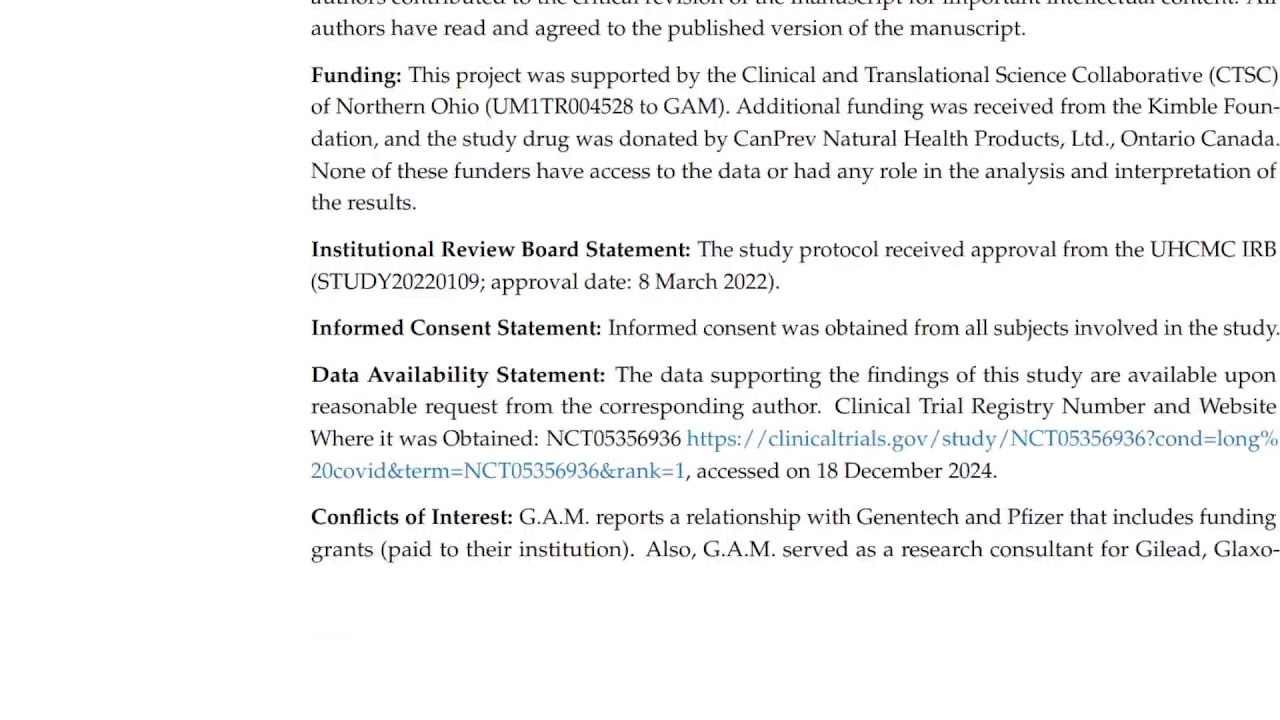
Did you turn something else off that you shouldn’t have? Yep, I’ve got it now. I’ve We’re connected. Okay, we’re about to rock and roll then. Okay, we’re on live. We’ve got 8 n seconds. So, we’re live on YouTube. Welcome everyone. We had a little glitch. So, sorry for the delay in starting. And today we’re talking all about long co. So, you may be suffering from long co and you’re you’re wondering what could be one magic thing. Well, we may have it. Brad and I have found this 2025 article. You probably already know about it though, but we’re going to discuss it anyway and talk about why it’ be a great help for long co chronic fatigue, autoimmune. It’s really a good one, Brad, isn’t it? For a lot of things. Yeah, it’s it’s great article. uh and there was there’s one concern I had with it, but we’ll discuss that a bit later, but it overall it gives us a great picture on the benefits of uh D3 and K2 for immune health. Yeah, here it is on the screen. Yeah. Sorry to cut you off, Brad. That’s all right. You’re doing all the tech stuff at the same time. I I totally get it. This lots of fun and obviously this is our first live together, but it’s a lot of fun. Yeah. Well, I and I just checked YouTube and it looks like um they can hear us there. So, um Yep. Yeah. So, vitamin K and vitamin D. Yeah. Look, it’s uh we we’ve got a lot of research that you know, I mean, it’s been talked about since co um back in 2019, 2020. D3 is being talked about, researched, you know, and we we know a lot about that. K2 often doesn’t get brought into the um into the conversation and it’s great to see this combination. And interesting the dosages, too. Uh it’s it’s 2,000 IU vitamin D. Uh I wouldn’t call that a strong dose. uh but it’s you know it’s more than the 1,000 IU that’s commonly recommended at least if you go to your GP. However, the the K2 um I I don’t know what about you but I often dose it as a maximum of around 180 um and it’s the MK7 form and um it’s 180 micrograms and they’ve got it at 240. They got they got it at 240 micrograms here. So that’s um a nice high dose of the K2 in particular, but not the D. Yes. No, just 2,000 of the D. So that’s interesting. I thought uh and um you know I I often prescribe D at my low end is more like a 4,000 IU. And so yes, I often do,000. Yeah. Yeah. Yeah. And you could you could argue so it’s low lowest sort of dose of vitamin D and upper end of vitamin K2. Uh yeah, you you mentioned there about the dosing of vitamin D. Of course, it depends so many factors. Uh that’s why you need a practitioner to guide you. You know, weather, where are you living in Australia, where you’re living on the globe, but are you living in sunny Northern Territory and you’re working in the sunshine every day or you’re in Tasmania? You know, clearly there’s a difference in dosage there. Is it winter? Is it summer? All of that. and the vitamin K as you say is a higher dose. So this particular study is kind of got it flipped but both of those are really hot topics. And I love that you say 2019 because yeah was talked about even before CO became this giant thing that’s only fizzling out still. It’s uh being talked about in 2025, but over 5 years, but they were talking about it way back at the beginning. How about giving high dose for CO? Yep. Um maybe the the viewers might want to see us up on screen, too. They’re um uh they’ve got the study going on there, but um maybe you want to put us up on there, too, Shannon. Um there we are. There we are. Um, you’re there. Hello everybody. We’re back. Um, yeah. So, K2 I, it’s not one I go to for immunity necessarily, but as pointed out in the study, uh, there’s mechanisms where it does help with immunity and inflammation, and it seems to be very effective in this particular case for long co. Uh now these are two isolated nutrients working together and I think it’s important to note that they don’t work as well isolated if they’re not you know if you don’t have other co-actors like your magnesium and vitamin A can play a role and everything to enhance these other nutrients too and depends on your source too. Obviously, capsules or supplements here and you know food sources can be very important way of getting say something like K2 which would speak to a healthy microbiome. And in this case when we look at CO and maybe we could talk a little bit about the the pathophysiology of CO too which you know for those out there not familiar with pathophysiology basically the the mechanisms in which CO um creates the pathology or creates the the disease um or in this case SARS COV 2 the the infection creating the disease COVID 19 and you know we know there’s a lot of gut health issues that arise from patients with COVID and in particular long COVID. And these are all these inflammatory markers. And what the study did quite well too is measure these uh inflammatory markers as well as things like zulin which we know is intestinal permeability marker and uh also um these these fungal markers as well too. Um and you know this whole idea of transllocation of a fungal infection or transllocation of microbes basically uh which we hear that sort of terminology used in things like um SIBO small intestinal bacterial overgrowth and so forth. Um and that’s a big part of what this this picture of long co but look about long co uh because this is what the paper’s about. But immunity over the last few years I’ve a lot of my patients and I don’t know if you’ve seen this Shannon a lot of people are struggling with it and they’re getting hit hard whether it’s um COVID infections influenza and it’s just not getting managed as easily as it was precoid and uh I think um these longco um long co I I was going to say outbreaks, but the the prevalence of longco and altered immunity from a lot of individuals I think is playing into this uh poor immunity that we’re seeing in in our patients. What do you think on that? Yeah, there was so much in there, bro. Sorry I hit you with a ton of information there, but uh yeah, you could jump in anytime, Jane. Yeah, there’s so much you covered. You got gut, the dosages, and you’re getting into um reduced immunity now, right? And uh yeah. Um well, yes, definitely. Let’s go back to the some of the stuff you said. It was all gold. Um but let’s go back. I’ll put the article on the paper on the screen and you were saying about how this article covers guts and leaky gut gut permeability and fungal transllocation and that. So let’s just talk about how the gut you know the gut being the base of all disease. This study is about long co specifically and immunity and associated things with long co but let’s just talk about the gut and um that being linked to just about everything as I’m sure you would agree autoimmunity fatigue low immunity in general all of that well it’s specifically mentioned the gut lung access in this paper too which I think’s important uh to discuss as well given that there’s similar cell types in the mucosal epithelium of the gut versus Yeah. Yeah. And the same the respiratory system and inflammation. So if we just to think about this is purely vitamin K. You mentioned also about uh microbes and healthy gut. So we could talk about the probiotics and fermented foods and all of that producing vitamin K and vitamin D linked to inflammation and then linked to mucous membranes and gut. So what could we talk about a bit more there of the importance of a healthy gut and connection to leaky gut and production of vitamin K. So um yeah so I guess what you’ve just brief briefly covered is how these the inflammatory processes compromise the integrity of the mucosal lining whether it’s the gut or the lungs and I think this is important and I often speak to my patients regarding uh leaky lung if you will um you know the equivalent in the in the respiratory system what we’re seeing um in in the gut And I think we know vitamin K2 and D3 have an integral role in repairing the gut and uh the mucosal layer um improving security IGA and so forth. Um and uh in addition they they have anti-inflammatory roles as well. So yeah, I I think um it’s something you you you’ve got to do like most conditions these days, you got to treat the gut, you got to repair the gut. And what we’ve seen to a lot of too in the the conversation amongst pract practitioners anyway is that it does take a bit longer than initially. Now again maybe this has worsened after co after co um but we used to look at maybe gut repair as a 3 to six month sort of process um with intestinal permeability and um for what it’s worth I I think I used to achieve that in a lot of cases precoid uh but now uh a lot of practitioners talk about well often leaky gut intestinal hypermeability is um you need treatment well past 6 months and it can be up to up to a year or so and especially if there’s reoccurring infections high stress I think plays into it people’s um we we know that being outside and um being active can really benefit the microbiome and gut health and and mucosal health. So the this is these are all things that um in society in general where it’s kind of it’s kind of deteriorating. It’s we’re lacking. We’re spending more time in buying screens and and that compromises in many ways. So do do you think are you saying there that you think after co there’s more emphasis needed on the gut repair or could this just coincidence or combination of stress and other things are contributing or can you clarify that? Yeah. Uh I I I’ve heard through um discussions even presenters in webinars talk about this specifically in where with repairing intestinal permeability it can take a lot longer um and that that that’s interesting post 6 months is quite common now uh as opposed to um I think when you go back to even back to the days where we used to do CDSA stool testing and and um uh without the PCR or quantitative PCR testing and now without metagenomic testing even back then it seemed to be a very quick process and a lot simpler. uh look could be my perspective on things, could be coincidental, but when other practitioners who are presenting are talking about it uh and I even you know um refer to I think it was a presentation I saw a couple of years back from diagnostic uh diagnostic solutions the lab in in the US that does the GI map uh and they were talking about this specifically too. So and they’re quite a big lab seeing much bigger numbers than the labs that we have over here. So, um I I think this is more common that we’re seeing intestinal permeability uh and poor mucosal health in general, not just in the gut um being a lot more difficult to treat and needing a lot more care taken. And now whether it’s stressing whe whether it’s co stress whether it’s a co j long co or whatever the case more chemicals in the food health is definitely getting um worse as time goes on combination of everything high sugar diet stress poor sleep financial stress on everyone the world well that’s a big one spe specifically this year too we can’t you know that um is definitely a huge factor this year for sure. Yeah. People losing their jobs, inflation through the roof. Yep. Yeah. But um yeah, so um I don’t know if you noticed on this paper um it’s something that I haven’t taken much note of. uh not that I’ve been reading many co papers recently but uh the oxidized L LDL um is a major driver you know major driver of aththerosclerosis but is something that’s uh um part of the pathophysiology of co long co um and for people who are not familiar with that um they might be familiar with LDL cholesterol when it becomes oxidized it be it can damage the endothelial um and we get endothelial dysfunction which is the tissue within the artery wall. So that’s um an important inflammatory marker. And uh now there’s all sorts of arguments in in the um community regarding cardiovascular health is if oxidized LDL is an important marker or not because some people will point rather point to oxidized LDL and not LDL. Anyway, that’s a probably another podcast, the whole cardiovascular markers and and cholesterol thing, but but I think it speaks to high high inflammation and what we found in this study is that that was lowered with D3 and K2 um as part of the the results that came through. In addition too, the zulin which if people aren’t familiar with is a marker for intestinal permeability that was also reduced as well. So uh again um seeing some a lot of great outcomes just from these two nutrients alone. And I’m thinking leaky gut, leaky blood brain barrier too. Um while you were talking there about uh cholesterol, it triggered a memory of hearing a podcast of talking about well there has been a drastic increase especially with younger people with dementia with long co uh and and there seems to be a connection with the way back there was talk of cholesterol and link to Alzheimer’s but there seems to be something going on with the the cholesterol sterol and dementia and and as you say oxidation of the cholesterol and damaging the leakiness and blood brain blood uh gut gut brain connection as well. So we could do a whole podcast on just that as well. Yeah. And it’s early days as time goes on more and more coming out about the the negative effects of long co and uh and it’s so broad as well. Uh we’re just looking only at today at vitamin D, vitamin D and K and the benefits of that. And um we could jump on here and talk about herbs and other nutrients as well being beneficial. And imagine the if you’re watching this and thinking about ways to help you, imagine the synergy of all of those things together. Taking 10 different herbs and nutrients together. That’s going to give you a much better better effect. Yeah. And I I would point people um to our previous well it’s not really a podcast but it was a YouTube video. It’s on my channel. I don’t know if you’ve got it on your channel too where we talked about acetal alcarnitine and NAC in acetal uh cyine. Um do you have that on on your channel too? That one? Yeah sure I do. Yeah. So I I would um suggest people if they watch this and are interested in what other nutrients can have benefits especially because you mentioned basically neuroinflammation crossing the blood brain barrier. So when we have systemic inflammation, we’re going to get neur there’s a higher likelihood we’re going to get neuroinflammation. And then of course brain fog is a major symptom for co and uh you know you could use these two nutrients in conjunction with NAC and ALC. Um and you know I wouldn’t be surprised um if creatine was added to the mix that would that you’d get a lot of benefits there too um utilizing that. But yeah, we talk a lot about those nutrients in in that particular video. So I I urge people to go and see that. Maybe you can link it link it in the description below. Oh, great idea. Yeah. So if you’re thinking if you’re out there and you got this long co and you got the associated symptoms purely just honing in like wondering where to start, purely honing in on the inflammation. There are a lot of things and multimodality approach or angles achieving the same things to reduce inflammation, but the foundation being the gut is is a really powerful way to reduce inflammation. But um we could talk about fish oil, turmeric, throw some in there, Brad, different herbs like devil’s um claw or Yeah. Well, I mean, look, you can target if you’re targeting the mucosal layer, like you said, the fish oil, the turmeric, and then there’s all the all your prebiotic fibers and and probiotics as well. Getting the gut healthy is reducing inflammation. Getting that you’ve well, you’ve got to repair intestinal permeability. Um, you know, if it’s hyper permeable, then that’s a problem. And then that’s going to um amplify systemic inflammation. Uh so I I think that’s um uh something that’s got to be a priority. Uh these days in most conditions we’re we’re treating uh but specifically for the long co definitely gut must be treated first and healed. Uh and um the also in this they talk about the we’ve mentioned the fungal transllocation. Mhm. What’s your experience in compromised immunity and fungal infection because um uh I think that’s what’s going on here, isn’t it? Yeah, for sure. A really big problem in a lot of people. seems to be getting worse and I wonder if they’re becoming like there’s antibbody resistant bacteria that the fungal strains are also becoming antibbody resistant and then um the crossover of illness as well people focusing on well was it the jab or the long co or whatever the case or could it be coincidence and they’re living in a moldy house or um potentially um rising damp in their workplace or whatever the case. But uh problems with fungal overgrowth, really big problem and oral thrush or sinus fungal agents when people jump immediately thinking ah it’s bacteria ear infection or whatever the case. It could be chronic fungal lung fungal infections or both at the same time. And you can see that in nasal swabs, the marons or you can see it sometimes in the microbiome. Or you can just see it even without testing as well where people have got athletes foot or groin thrush or or whatever the case. Yeah. But um and in real bad cases that you know there’ll be a discoloring of the skin. you know, you get this yellowy color around the eyes and faces and everything. Um, and it can be, you know, present really badly. Yes. Uh, and I you you mentioned a couple of things there, the mold and so forth. And, um, you know, the what comes to mind is SER, so chronic inflammatory um, uh, respiratory respiratory syndrome. Yeah. Before SARS says yes, that’s right. And um and that’s usually something that comes up um with the that whole mold picture or mold. Oh, you’re thinking about SR chronic inflammatory response syndrome. Response syndrome, too. Yeah. Yeah. Sorry, we we totally messed that up. CS. We didn’t mess it up. C chronic inflammatory response syndrome. And look the the bottom line to everything you mentioned there whether it’s the mold related illness the SR from that the you know maybe you could talk issues um or long co it’s all about this systemic inflammatory picture um so whatever you can do to reduce that inflammation systemically is is is um the focus regardless of the the causal because we’re a bit lost in in the specific mechanisms of the cause. We’re learning more as time goes on, but you know, if you want to treat things now, you’ve got to go after the inflammation and the the gut as we mentioned before that intestinal hypermeability which just exacerbates inflammation or could be the the origin of it. So I think that’s important too. And I was really impressed with the you know how how well K2 and D3 work on those inflammatory pathways you know reducing interlucan 6 and which is a common inflammatory cytoine that uh we you we learn about that in first year I think. Um and u it also um reduces TH17 cells. So there’s a lot of specifics that the vitamin D3 and K2 are doing on um the biochemical pathways with inflammation. So uh you know they’re doing quite a lot for um just two nutrients and that’s just two nutrients you could be having amongst you know a plethora of um different things you could have in a prescription. And like you said, you know, we we you could add herbs into the mix and um you know, achieve quite a lot there to food. Yes. And they’re really uh multi-action tools. They they have such a broad spectrum in their effect. Um also the vitamin it’s been established with the long co that there’s the micro clotting. That’s the um the D dime there is a good indication of the micro clotting and the vitamin K is quite specifically addressing that reducing that micro clotting. Um yeah there was also that’s right I remember this the the uh mention of the change in smell and taste as well was a common one but it improved that it was okay great study really really good one. Yeah. Yeah. And I think I mentioned before that I I only had one concern and that that was that they didn’t so so basically there was um I can’t 150 participants and and um 90 of them 98 or something were um on the vitamin K2 and D3 and then the others received standard care. But the others that received standard care, they didn’t get any placebo or anything as well. So, um influenced the results. Yeah. So, that was the only thing I thought Yeah. wasn’t um completely blind and and uh that was what was missing. But other than that, I I think it um shines a light on uh some very positive results on using K2 and uh D3 uh in the treatment of this condition. So yes, there will always be holes in in studies with uh we can find faults especially with natural substances with herbs or nutrients. There’s dosages and forms of those herbs or nutrients whether they’re concentrated or they’re biological agents of often and uh you know how do we standardize it into a science model and say there is absolutely no room for variation and this is a uh absolutely pure test really accurate with no holes in it. So um I I can also find a lot more and if you are watching this and you really love science then jump on the your your favorite uh scientific journal or PubMed or similar and search for vitamin D and K and you’ll find a lot with long co it’s just this particular one was the latest one and it was where was it uh obviously 2025 uh I can’t see January I Oh, here it is down the side. Received revised January. Yeah, but um I’m sure there’ll be more and there’s Brad and I may jump on again and talk about another one. Maybe we can continue the discussion of long co Brad. Yeah, I think there’s plenty to talk about and uh you know there’s um still a lot of concerns and and as a practitioner uh I and seeing a lot of people coming through the last two winters with immune concerns um yeah I I I I think there’s a lot more we need to know um to really get on top of this um because I I do have some concerns about where immunity is going and Um definitely conventional model and going to see your GP is almost fairly useless at this stage. So um yeah, not to pay out on them, but um obviously if you’re sick and you need to see them, that’s that’s fine. But as far as getting information in on this in particular, um yeah, it’s just not there not there for the public. It’s even hard for us practitioners to decipher a lot of it, too. So um and yeah, we just need um we let’s let’s hope the research keeps coming in strong and that we can understand this a lot better than what we currently do uh before the next outbreak occurs. Um the next outbreak. Yeah. If there is one. Yeah. Well, that’s right. If there is one, they keep threatening. Um so threatening. Exactly. They threaten. I think it’ll be different this time. A lot more. Well, you hope people have a different mindset, Brad. So, mindset is really important. Absolutely. Absolutely. Yeah. Uh, so I I think we’ve done enough with covering this one and that was a great practice run for our first live. Yeah. Yeah. So, thanks for watching everyone. Yeah, thank you. Yeah, and see you on the next one. And I’ll put links in the description for if we can’t get Brad as a collaborator linked in. I’ll put his web page or his YouTube address directly in the description. Yeah. Come and visit me. Yeah. Excellent. Okay. See you on the next one. Bye.