Did you know there is a nutrient that can boost your energy, protect your memory, and safeguard your heart? Very few people truly understand how important it is or the best ways to get it. In this video you will discover where to find it in your diet, which foods contain the highest amounts, and the most effective strategy to keep optimal levels in your body.
If you want to learn about healthy eating, nutrition myths, obesity, cholesterol, type 2 diabetes, hypertension, chronic inflammation, and overall wellness, this channel is for you.
🔔 Subscribe now and join us on the journey to a longer, stronger, and healthier life.
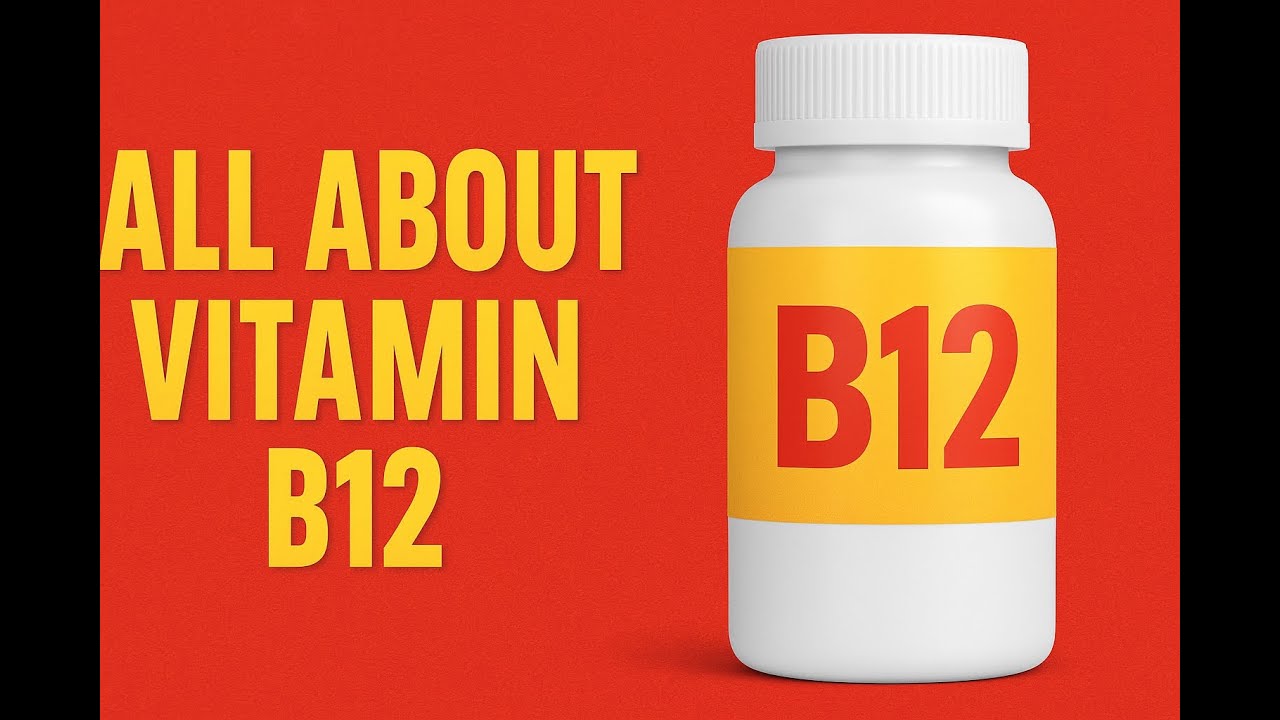
Vitamin B12, also known as cobbalamin, is one of the most essential nutrients for the human body and at the same time one of the easiest to become deficient in for many people. It is a water- soluble vitamin, meaning it dissolves in water and the body cannot produce it by itself. Therefore, we depend completely on diet and intestinal absorption to keep adequate levels. B12 participates in vital processes such as the production of red blood cells, the maintenance of the nervous system, the conversion of nutrients into energy, and the synthesis of DNA in every cell. When we talk about the bone marrow, B12 is indispensable for precursor cells of the blood to divide. Without it, megaloblastic anemia appears with extreme tiredness and palenness in the nervous system. Its function is even more delicate because it helps form and maintain myelin which is the protective sheath around nerves. And without this layer, nerve transmission is damaged. A prolonged deficiency of vitamin B12 can cause symptoms such as tingling, muscle weakness, memory loss, depression, and even advanced cognitive decline if not corrected in time. Another of its main functions is energy metabolism since it acts as a co-actor in reactions that transform amino acids and fatty acids allowing the body to obtain real usable energy. Vitamin B12 also reduces homocyine in the blood, a substance that in excess damages blood vessels and it does so together with folic acid and vitamin B6 protecting the heart and the brain. For this reason, maintaining an optimal level of B12 not only avoids anemia, but also decreases the risk of heart attacks, protects memory, and strengthens emotional and cognitive balance. Now, B12 levels depend on many factors, among them, diet, age, stomach acidity, and the use of medications that can silently block its absorption over time. As we age, gastric acid production decreases and without enough acidity, vitamin B12 cannot be released from food, which is why older adults often present deficiencies more frequently. Medications such as proton pump inhibitors used for acid reflux or metformin for diabetes significantly reduce cobbalamin absorption in the intestine. Vegan or strict vegetarian diets without supplementation also place people at risk since plant foods do not naturally contain bioavailable B12 except for small unreliable traces in some fermented foods. On the positive side, B12 works handinhand with folic acid and vitamin B6 and amino acid metabolism and calcium facilitates its binding to intrinsic factor for proper intestinal absorption. If we talk about foods rich in vitamin B12, beef liver is considered by many the absolute king and not only because it provides around 70 micrograms per 100 g, but also because it is an accessible, inexpensive food with excellent bioavailability and accompanied by other key nutrients such as iron, vitamin A, zinc, and folate which makes it a true natural multivitamin. Muscles are another extraordinary source providing around 98 micrograms per 100 g and in addition to B12 they contain iron and zinc making them a very complete food for human health. Thee clams also stand out with about 84 micrograms of B12 per 100 g making them one of the richest and most bioavailable marine options for this essential micronutrient. Salmon provides about 4 micrograms of B12 per 100 gram, which is almost double the official daily recommendation. And it also offers omega-3 fatty acids, high quality protein, and vitamin D. Tuna contains approximately 10 micrograms per 100 g of filler, making it one of the most complete fish in this respect. Ideal to include in a diet rich in vitamin B12. Lean beef provides between two and three micrograms of B12 per 100 g, less than liver, but enough as a constant source, especially for those who consume it several times per week. Eggs contain about 1.1 microgram of B12 per 100 g, equivalent to about two large eggs. And although the number is lower, its bioavailability is good and it complements the diet. Dairy products such as whole milk and aged cheeses provide between 0.4 and 1.5 microgram of B12 per 100 g with mature cheeses being richer than milk and useful for adding small amounts. With these values, it is clear that animal foods are the main source of vitamin B12 and that including liver, shellfish, or fatty fish frequently is a reliable strategy to maintain good reserves. The official daily recommendation of B12 is 2.4 micrograms in adults, which is just enough to prevent severe anemia, but does not guarantee optimal levels for neurological and cardiovascular health. Recent evidence shows that to keep B12 in the blood above 500 pogs per milliliter, a level associated with better cognitive function, a much higher intake is needed. In practice, it is considered that an optimal daily intake is between 25 and 100 micrograms, which is safe, non-toxic, and maintains a healthy margin of reserves in the body. Here is where supplementation comes in. For those who cannot reach the needed levels with diet alone, the best form of B12 is methylcobalamin, one of the active versions the body uses immediately. Cyanocobalamin is cheap and stable, but it requires conversion in the liver and in some people that transformation does not occur efficiently, which reduces its effectiveness. That is why methylcobalamin is considered the best option for supplementation since it does not depend on conversions directly protects the nervous system and keeps homocyine under control. But for most people a daily oral or sublingual supplementation of methylcobalamin is more than enough practical and safe to keep optimal vitamin B12 levels. In conclusion, vitamin B12 is key for blood, brain, and energy. And ensuring optimal levels not only prevents disease, but also improves vitality and protects longevity. Eating beef liver once per week, shellfish such as muscles or clams occasionally, and fatty fish frequently is a natural way to maintain abundant reserves. For those who cannot include those foods in their diet or are at risk of deficiency, a daily dose of up to 500 micrograms of methylcobalamin is a good strategy to reach the optimal level. If you found this content helpful, give it a like, subscribe to the channel, share it on your social media, and leave me a comment. See you in the next video. Have a wonderful day.