Bulkers, fillers and additives, what are they? And should you care?
We put high street supplements under the microscope to find out what’s really inside the pills you might be taking every single day, and whether they’re a risk to your health.
00.00 – Introduction
00.46 – What’s inside a supplement?
03.13 – What are bulking agents?
04.50 – Should we be concerned?
06.30 – Why do manufacturers use these additives in their products?
09.40 – Do people know enough about what’s inside their pills?
10.50 – Should supplements be clearly labelled?
13.45 – Where is the best place to buy supplements?
#vitamins #supplements #healthyliving #health #advice
Subscribe to make sure you never miss out on our reviews and advice:
http://bit.ly/JoinWhichOnYouTube
For more expert advice visit:
https://www.which.co.uk
Follow us on Twitter:
Tweets by WhichUK
Join the discussion on Facebook:
https://www.facebook.com/whichuk/
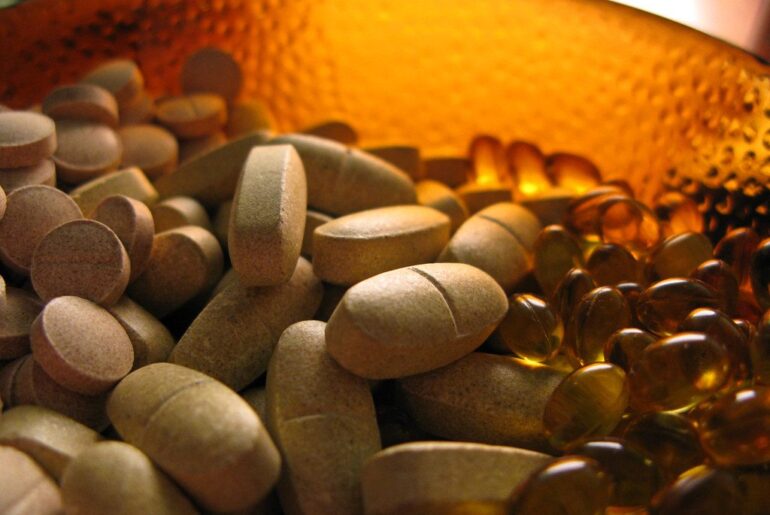
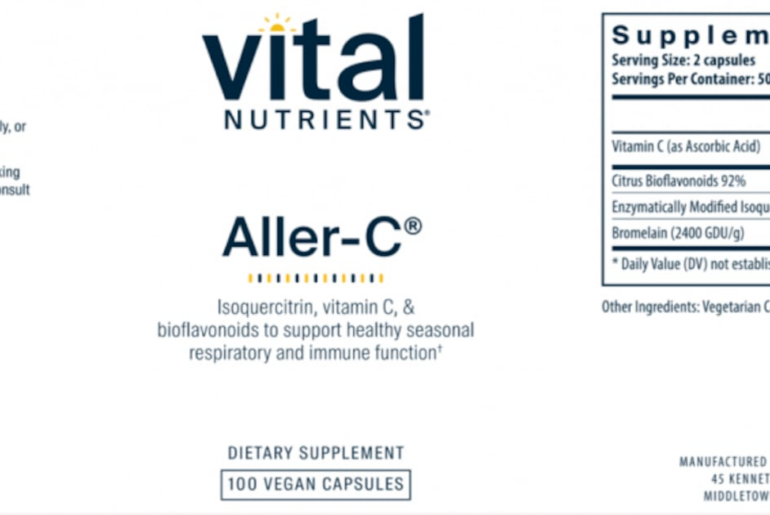
Do you know what’s in your supplements or are they really full of stuff you don’t actually need? Welcome to this podcast from which? Hello, I’m James Row and on this special podcast series all about health and wellbeing, we’re here to give you expert advice and recommendations to help you live your best life every day. And on this episode, as they have been for the full series so far, we have public health nutritionist here at Witch, Shafali Loth. Hello again. Hi. Nice to see you again. Likewise. and the founder of City Dietician, Sophie Medlin. Welcome back. Hi. Thanks for having me. H great to have you both back with us. Now, today we’re talking about what’s really inside of your supplements on the couple of episodes we’ve talked about um so far on multivitamins and on magnesium. We’ve brought up the subject on fillers and bulggers and things like that. And we’ll get into this in great detail, but first of all, Sophie, for you, do you think people have an idea of kind of what actually makes up a supplement that people take? I think that there are some things that people are maybe aware of and some things that they they are really surprised of. And actually, in this exercise we’ve been doing and reviewing the supplements, there’s been a few ingredients there that I was even pretty shocked by. So I think it’s something that perhaps is a good thing to shed light on because it’s not necessarily something people are super aware of and if they’re not aware of it I guess a lot of people Shafali do you think aren’t even reading the label you know when they pick something up they might just think I don’t know I like the color of the bottle maybe because it looks nice or it’s cheap and they’re not actually reading what’s inside. Yeah absolutely and I have a confession to make here because actually before Sophie and I started this I’d never really thought about the additives or fillers and supplements. I just, as you say, picked up a brand that I trusted if I’d ever wanted a supplement and just thought, does it contain the active ingredient, the nutrient that I need? And if so, then I bought it. You know, I wasn’t actually thinking about the other things that are in the ingredients list. And do you think more people have been falling into that, you know, a similar trap because of something we’ve touched on on a couple of the episodes already about this real big boom of supplements, especially on social media. where people are getting these thing, you know, pushed onto their screens and people just maybe just click buy, you know, on social media, for example, and they haven’t got a clue. They’re just buying it because it looks like it’s a nice price. It’s sort of this has been hammered home, isn’t it? Yeah. And also, I suppose on the other side of that, you know, you might have seen adverts saying, “Oh, our supplements are pure and there’s no nasties in them.” And actually, that’s probably what prompted us to start thinking about, actually, does that matter. are these extra ingredients, the non-active ingredients in your supplement, are they actually important? And do you care? And you know, at the end of the day, we didn’t find anything that was unsafe. Um, so really, this is more of a preference thing, I think. If you’re not bothered, then that’s fine. Um, you know, whereas actually if you do care and there are reasons why you should care in some cases, then yeah, just pay a bit more attention to your ingredients list. So, in terms of things that might be inside of a supplement, there’s a few words that jump out to me, which are bulggars, fillers, and additives. So, what do we actually mean by these three words? So, bulking agents are things that we use almost as the word implies to bulk out the supplement. So, some nutrients like vitamin D for example, you just need 10 micrograms of vitamin D. That’s, you know, you could barely see that on a teaspoon. And so you need something to fill up the rest of that capsule or to fill up to make it into a solid tablet. And so they’ll use a bulking agent. And there are good bulking agents and less good bulking agents. Telcum powder is actually a common bulking agent that’s used in supplements. And it’s not one that’s going to have any asbestos in it. One that’s dangerous for you potentially. It’s all very safe, but you might not want to take something that’s 90% talcum powder and 10% vitamin D. So it’s something to to think about. and something for people to be aware of when they’re looking at ingredients lists. And manufacturers might use this to I guess just make it a bit easier to take a supplement. Otherwise, it would be so small you couldn’t maybe even see it in the packet or even on your hand before you put it in your mouth. Is that fair to say? Exactly. And you know, for some single uh ingredient supplements, you probably do need some sort of bulking agent, but you know, it’s about choosing one that you feel comfortable with. And another bulking agent people use is cellulose which is just that the cells of plant cell wools. It’s like fiber and that might be a more natural alternative as it were to talcum powder. And with these examples then are there actually any sort of concerns about what is actually being used because I think a lot of people might even just immediately now as we talk might think oh well I thought I was taking this you know this specific supplement. Why on earth has it got all this other stuff in? Do I need to be concerned? One of the things I would say is in the last couple of years, there’s been some guidance out which has said that people are no longer allowed to consider a common supplement ingredient called titanium dioxide. It’s no longer considered safe for human consumption. So supplement companies then had a year to get that out of all of their supplements and now you don’t see them on the shelves with that that ingredient in them. So it if anything suddenly becomes unsafe or more research is found to say that it’s unsafe they are quick to get it out of the of the food chain out of the supply chain. So I think ultimately it really is about you making a decision for yourself about whether you’re bothered about having a bit of talcum powder in your food in your supplements which is likely to be completely safe or whether that’s something you would rather keep out of your daily diet as it were. Yeah. because actually some of the supplements they would use things like rice starch um or Sophie said cellulose you know plant-based bularers which are more natural for example um you know one thing we noticed is when you’re looking at supplements in gummy form you know a lot of the additives there are then sugarbased they might be glucose syrup you know we found supplements or um gummies especially that have four or five different types of sugar in them. Now, obviously, gummies are essentially like a sweet. And what Sophie and I are looking at when we do our analysis is is valuable space being taken up here in a supplement by ingredients that aren’t necessary or things like sugar, whereas actually there should be more of the nutrient in there, which is what you’re paying for. So, you’re talking about additives there, aren’t you? And this is kind of is this kind of stuff that maybe just improves the the the color and the taste of of of a supplement. Yeah, exactly. So sometimes even in a capsule or a a tablet type supplement, there were several colorings, different colors that people are using. There sometimes is sugar and things like that. Also on on some of the capsules, they use PVA, like PVA glue to help them to slide down the throat more easily. Now that was a revelation to me. It was a long chemical name and I was like, is that the same thing as PVA glue? And sure enough, it is. Were you concerned when you saw that? It did make me think, hang on a minute. And at that level, you know, it’s such a small amount. It’s it’s safe. It’s fine. But it’s another one of those things where people might think, actually, do I really want that going into my body every day or not? So, sweeteners, uh, color colorings, all sorts of different things go in even if it’s not a gummy supplement. But gummies are often the worst culprit for these kind of um extra fillers and additives and things like that because they have to make them into a physical sweet that you can then chew and that tastes okay and things like that. I feel like I’ve had maybe even ibuprofen where it’s got like a sugar coating on the outside. Is that a similar example? Exactly. Yeah. Uh what about fillers then? I don’t have we touched on fillers yet or is is it sort of a bit of a I guess that’s a catchual term, isn’t it? And you know, not all fillers or additives are bad. Some are there for a reason. So you might need things that stop the ingredients or that might bind the ingredients to make a tablet. You might need things that stop are anti-caking um or make sure that the tablet can get formed properly in a machine. And you know, they all have valid um purposes, but again, we’re when we’re looking at it, we’re looking at actually, is there a better alternative? And how many of these are in there? You know, some supplements, especially in the multivitamins, they had 23 nutrients, but also 16 additives and bulkers and fillers, and that just seems quite excessive really. Um, so it’s not that all fillers and additives are bad, but actually you want to think about what the purpose is and what role they’re fulfilling in your supplement. And as someone who works in the supplement industry as well, thinking about thoughtfully about what extras are there is really important. And I do think there’s we’re sort of having this revolution of clean supplements in inverted commas which is not a term that Shafali and I particularly like but you know there is this awareness now that people don’t want to be taking all this extra stuff especially you know when we looked at the magnesium one of the brands had maybe 10 different fillers or bulking agents or additives for a single ingredient supplement and you don’t need that. It’s not necessary. So, what do we really need and can we get it as the most natural alternative is my sort of go-to when I’m formulating supplements. So, in that case then, do you think people who are taking supplements already or have listened to some of these podcasts and have found they might want to be taking supplements, do you think they’re actually taking supplements and taking something within the supplement that they don’t want to be taken because they haven’t necessarily checked out exactly what’s in there? I’m sure that’s the case. Um because how many of us read the ingredients lists on products that we buy? So, you know, my take-home message here is look at the results. We’ve done the work for you. So, if you do have access to which have a look at our tables because we have ranked supplements and given them a rating for the amount of additives. So, actually if we see a supplement that has minimal additives, it gets a high score. So if this is something if these are things you want to avoid then actually you know choose a supplement with a a high additive score which means it has very few additives in and don’t forget which members you can look at those tables look at all those results on our website. We’ll pop some links in the show notes for you to find out if you’re not already a member uh you can get 50% off the first year of uh Witch membership by going to witch.co.uk/mpodcast offer. Um, speaking about the label as well though, I guess for any supplement, it will be I don’t maybe I’m going to use the word clearly labeled. Should it be clearly labeled? Everything that’s in there, even if we don’t necessarily know what it all means. Yeah, the ingredients will be listed there. So, actually, if you are interested and worried, you can look them up to see what these products actually are. And there are some that are very harmless and we don’t really penalize brands for those. Um, for example, in vitamin D, if it’s in an oil form, in a capsule, you’ll need an antioxidant in there so that the oil doesn’t go rancid and it will improve the shelf life of your product. Now, obviously, we don’t want people buying supplements and throwing them away. said that’s got a very valid reason to be in the product. Whereas others, as we’ve said, if you’ve got 16 additives in a product, they’re probably not all there for they’re not all necessary. One of the things I think is tricky for the consumer is that the names of vitamins are pretty alien in the same way as the names of these bulking agents and fillers and things are. So vitamin D will be listed as choliciferol, which doesn’t sound like vitamin D at all. and and so it’s quite hard for people to look at a label and know whether something’s an active ingredient or a bulking agent or a filler. Now, they do have better labeling and often it will say it’s a bulking agent and you’ll know it’s a coloring for example because it will have perhaps an E number or something attached to it. But, you know, even some of the names of sugars are complicated and difficult and difficult for people to spot and that’s why they use four different forms of sugar so that people aren’t saying, “Oh, this is basically just sugar.” Do you think it should be easier for people and consumers to actually pick up a a supplement and, you know, at at a glance understand what’s actually in there? Because some of those words you mentioned there, I wouldn’t even know how to spell it, never know what mind what it is. It should be a bit easier for consumers. I think so. I think it needs to be obviously ingredients lists have to be listed by the highest amount per by gram of ingredient first. So, a good guide is if the first ingredient is a bulking agent, then you know, you’re in a space where perhaps it’s not ideal. But um in an ideal world, perhaps they’ll be classified by active ingredients and non-active ingredients. And in your day-to-day job, are you speaking to more people who are waking up to the amount of additives that might be in a supplement? I guess a few years ago they might not have known or even cared, but now are they becoming a bit more aware? Yeah. And really interestingly, I think this has come alongside our conversations about ultrarocessed foods, UPFs, and how supplements could be in that category or they could be better quality and maybe not in that category or maybe they are all in that category. But ultimately, I think that conversation about additives, UPFs has sort of bled into the supplement industry as it were. And I think that’s that’s one of the reasons why the general public are becoming more interested in this stuff. Yeah. Do you agree with Ash? I do. I think it’s totally because of the UPF conversation. So, we’ve talked about our reviews, of course, that are on our website where you can find some of the the best supplements that are on the market. What about then buying them? Because I feel like people are going to be considering where they should actually be buying them from. You know, supermarkets are good, chemists are good. What about buying online? Is that this is a bit of a cautious area? It is. um because there are good products online and there are bad products online. So my advice would be buy from a trusted retailer. Um so if you are buying your supplements from an online marketplace such as Amazon, you know, check the brand and check where it’s coming from because actually there are lots of brands on there that are essentially own label and you don’t really know about the quality of ingredients. Whereas if you buy from a shop on the high street, you know, that shop has a responsibility um to you as a consumer to make sure that that product is safe for sale. And the same doesn’t necessarily apply online. Um that said, there are more niche supplement brands, some really good smaller brands that are really doing good work in the supplement space. So don’t rule out every online, but just do a bit more research, I’d say. Yeah, I agree. And I think, you know, there are lots of high street brands that are also not doing such a great job as well. And some of the brands that you can buy, you know, we’ve mentioned in previous podcasts are big big high street brands that everyone would have heard of that aren’t doing such good work. So it it really is the wild west and it’s really hard to help people to make sensible decisions without having long- form conversations with them either onetoone or in platforms like this. And I think that’s why we’re doing the work that we’re doing really because it is a minefield for consumers. It’s really hard to know what to buy. Um so we’re just trying to make that journey a bit easier for them. Thanks to you too because you’re doing an incredible job and thanks for coming here to sort of explain to our listeners as well about how important it is to look for the right things including the dosage as well. Should we touch on that? Because we have touched on this on a couple of the other episodes, but that is a really crucial element to look at when you are buying a supplement, isn’t it? It is because if you’re spending your money on a supplement, you want it to give you the ingredient that you need. And I suppose Sophie and I have also been considering, well, actually, if a product has loads of unnecessary fillers in it, is that taking up valuable space of an active ingredient? And you know, we will penalize a product if we think that that’s the case. So my tip for dose is have a look on the back of the pack of the label and it will tell you what the recommended daily doses and how much of your daily need that that will provide. And while we’ve been having this conversation, I’ve been thinking about people who might not necessarily be able to take a a supplement. Are there actually any other options for that those types of people who might want to be getting those kind of supplements and nutrients in that in a different way? Yeah, so obviously gummies are an option, but we’ve mentioned that they’re really full of additives and sugars and colorings and all sorts of things that you probably don’t want to be having every single day. Another good option is a mouth spray. And there are some really good mouth sprays on the on the market with very few ingredients, without many, you know, any ultrarocessed type ingredients or or fillers and additives and things like that. The other thing that’s now on the market as well is tinctures. So like drops that you would do in the mouth and that they’re a good option too as long as you’re again checking the ingredients list to make sure there’s not too much in there that you don’t want. Some very solid advice as usual. Uh we’ll probably wrap up in a second but just any final thought, anything you want to reiterate or anything we haven’t touched on already uh that you think is worth a mention? Shafali, you go first. Um, mine would be whilst you might not want these additives in there, um, you know, there’s nothing that’s unsafe in any of the supplements that we looked at. So, don’t be scared and we’re not fear-mongering here. It’s a choice thing. It’s not a safety thing. And so, yeah, and I think the key thing is again reading those labels and looking at what the first few ingredients are. And if they’re all additives or bulking agents, think about a different product. Lovely stuff. Well, thanks again for joining us uh on this podcast series. Shafali, thank you very much. Thank you. And Sophie, thank you. Thank you for having me. [Music]