Source- PMID 41125927
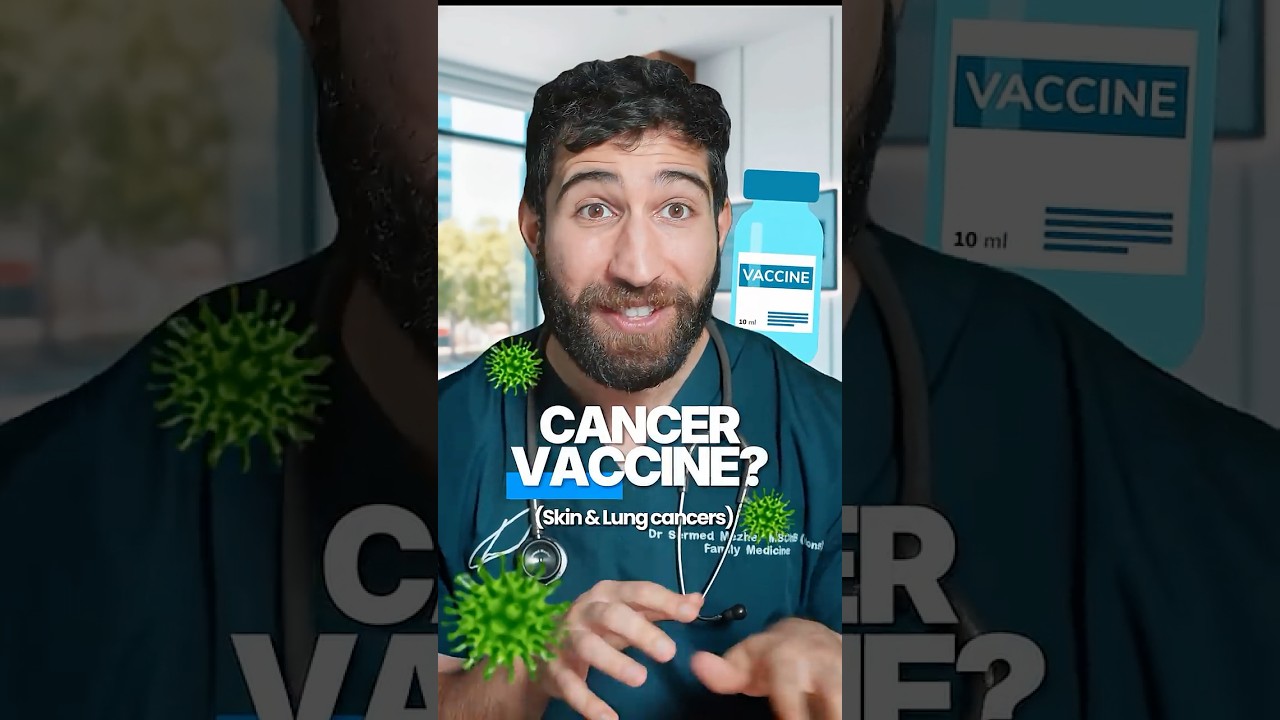
The concept of cancer vaccines—treatments designed to train the immune system to recognize and attack cancer cells—has been around for years in medical research. Scientists have been exploring personalized vaccines and immune-based therapies for cancers such as prostate, skin (melanoma) and lung cancer, but none have been widely available or used on a large scale outside of clinical trials. Interestingly, new research suggests that the COVID-19 mRNA vaccines may have had unexpected anti-cancer effects in some people. The same immune-stimulating mechanisms that help the body recognize viral proteins might also enhance the immune response against cancer cells, particularly in skin and lung tissues where immune surveillance is crucial. The findings are helping scientists understand how mRNA technology could be adapted to create targeted cancer vaccines in the future turning an accidental discovery into a promising area of cancer research.
#science #research #vaccine
What if I told you that a vaccine for some cancers already exists? And it seems to have been discovered entirely by accident. Well, a new study published in Nature seems to indicate exactly that, as researchers have realized that patients with some deadly skin and lung cancers actually lived longer after getting none other than the COVID vaccine. I don’t think anyone could have predicted this one. Through working with mice, the researchers believe that the vaccine helps to fight those cancers by revving up the body’s immune system, boosting the effectiveness of a type of cancer therapy called checkpoint inhibitors. Cancerous cells usually have an off switch that tells the body’s immune system not to attack them, hiding from our body’s defenses in plain sight. Those drugs switch that back on, and the vaccine seems to put our defenses on overdrive. The effects were not modest either, almost doubling some latestage lung cancer patients survival times from 21 to 37 months. This needs more research, but with some adjustment might open the door to an entirely new class of treatments for patients who don’t have many effective options.