Our body’s best defense starts with detox.
Every day, we’re exposed to microplastics, toxic metals, and endocrine disruptors that can affect overall health. Supporting our body’s ability to clear out these toxins is one of the most helpful ways to promote wellness from within.
Don’t forget — vitamin D plays a key role too.
We’ve teamed up with MDLifespan to provide tests and services to help promote a toxin-free life.
Find out more!
For patients: https://bit.ly/44JTiVm
For practitioners: https://bit.ly/44JTDY8
#Detox #Wellness #HealthyLiving #FunctionalMedicine #VitaminD #BergenCounty #NewJersey #RamseyNJ #TCCompound #WeCompoundQuality
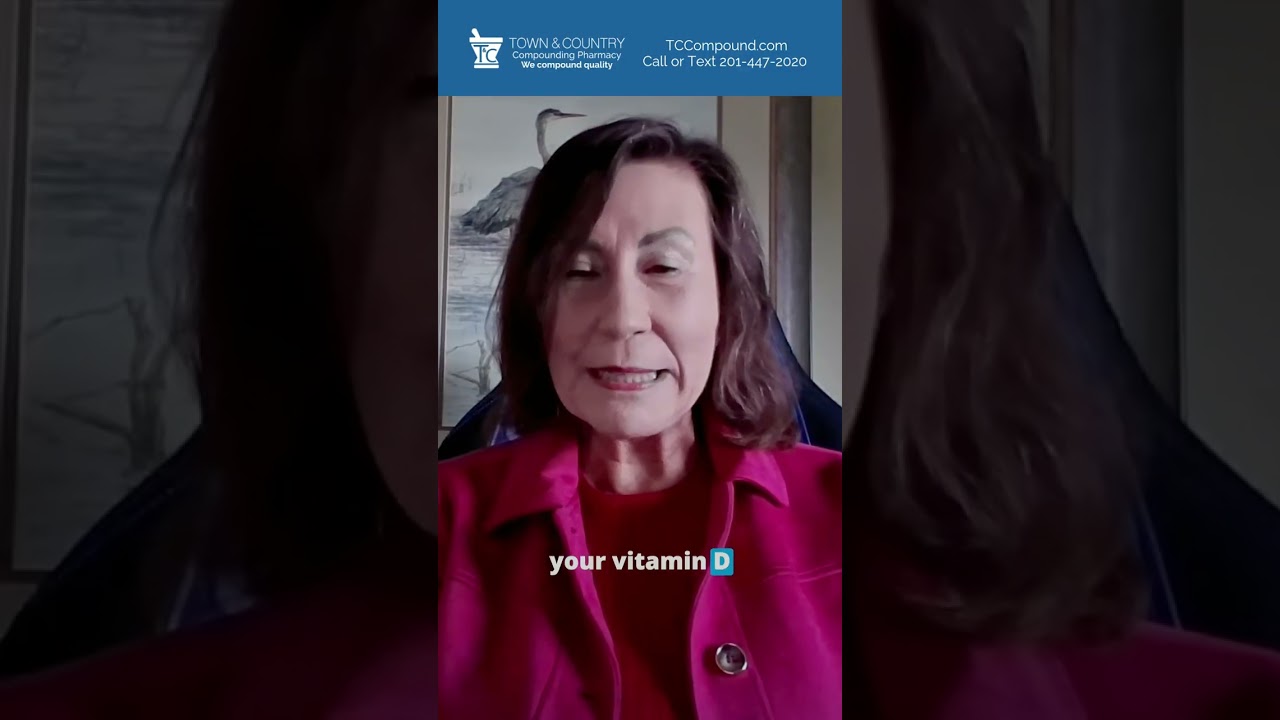
Hi, this is Dr. Pamela Smith with the number one risk factor that you can fix to help prevent breast cancer. And that number one risk factor is to get rid of the toxins in your body. Unfortunately, we are now all full of toxins, whether it’s microlastics or toxic metals or endocrine disruptors like BPAs and plastics. Therapeutic plasma exchange. Taking out the plasma, replacing it with albumin is a technique that is not new. It has been around for 50 years, but has a new application. TPE along with nutritional IV therapy has been shown to rid the body of almost any toxin that you can think of. So, that’s really what you want to do to help prevent breast cancer. And probably another risk factor that you want to look at is very important for the next tip to avoid breast cancer is to make sure that you get enough vitamin D. Vitamin D comes from the sun. If you’re in the sun and you’re wearing sunscreen, which most of us need to do, you don’t get a lot of vitamin D, so a lot of us need to supplement it. Please see your health care provider and have your vitamin D level measured. 55 to 80 is the level that it needs to be to help prevent breast cancer. That’s from Grant’s work, Garland, and now Vasquez. So over 50 years, we have looked at vitamin D helping to prevent breast cancer. There’s a few people that have medical reasons why they cannot get enough vitamin D, but your doctor will know who those people are. For everybody else, look for that lab being 55 to 80. Have your doctor or other health care provider measure your vitamin D to help prevent breast cancer risk.