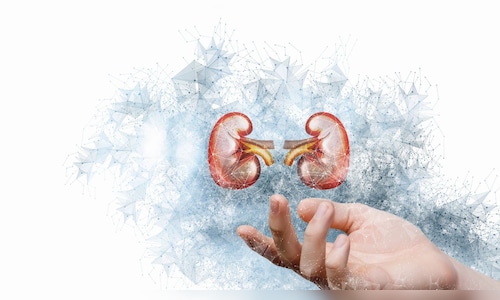
While vitamin D is often regarded as vital for bone strength and immune function, medical professionals are now warning of a rising risk: vitamin D abuse can significantly affect the kidneys. Overconsumption, especially from high-dose supplements, can set off a series of events that endanger renal function.
Hypercalcaemia, a disorder characterised by abnormally elevated blood calcium levels, is the primary cause of the risk. The body pulls more calcium from the bones and absorbs more from the gut when vitamin D levels are high, overloading the kidneys to filter and remove the excess.
Nephrocalcinosis, a condition in which calcium builds up in kidney tissues over time, can cause acute renal damage or potentially irreversible damage.
Early symptoms like nausea, prolonged thirst, and frequent urination indicate a serious electrolyte imbalance and an increasing risk to renal function. It is crucial to recognise the early warning signs; experts have identified six symptoms that may indicate kidney strain due to vitamin D toxic overload:
Nausea and Vomiting
Nausea, which episodes of vomiting can occasionally accompany, is one of the first warning signs of elevated blood calcium levels, which can irritate the digestive system and stomach.
Increased Thirst and Frequent Urination
Hypercalcemia, or too much calcium in the blood, can be caused by high vitamin D, making it more difficult for the kidneys to eliminate it. As the body attempts to maintain fluid balance, this leads to frequent urination and extreme thirst.
Your body may be correcting for dehydration caused by excessive calcium excretion by experiencing persistent, unexplained thirst.
Fatigue or Weakness
Increased calcium throws off the electrolyte balance, which can cause prolonged fatigue, weakening in the muscles, or an overall sense of discomfort. Muscles may feel sore or particularly exhausted, and even routine activities may feel more taxing.
Confusion or Mental Issues
Overdosing on vitamin D can affect the nervous system and result in symptoms like disorientation, poor concentration, confusion, or even more severe changes in psychological states. If the overdose continues to occur, these cognitive effects—which may initially be mild—may get worse.
Kidney Pain or Discomfort
In certain instances, kidney stones may develop when calcium crystals build up, or the overworked kidneys may begin to cause lower back pain. Elevated calcium levels can also lead to decreased kidney function, which can cause discomfort in these locations.
Leg Swelling and Breathing Difficulties
Long-term vitamin D overdose may affect the kidneys in extreme circumstances, resulting in fluid retention. This can appear as ankle and leg swelling as well as breathing difficulties spurred on by fluid accumulation, which are serious signs of possible renal failure.
How much vitamin D is necessary for adults?
While vitamin D deficiency is a widespread worry, experts stress that more is not necessarily better. The majority of adults only need 400 to 1,000 international units (IU) of vitamin D per day, according to the National Institutes of Health. Unless a doctor advises differently, most healthy adults should consume no more than 4,000 IU daily.
Regular consumption of more than 4,000 IU can raise levels into a potentially dangerous range, particularly when very high doses of 8,000–12,000 IU are regularly taken over months or years.
To prevent toxicity, experts recommend:
Get tested: Determine your 25-hydroxy vitamin D levels before beginning or increasing supplementation.
Steer clear of self-prescribing large doses: Supplements should be taken as prescribed by a physician, particularly for long-term use.
Monitor renal and calcium function: Regular blood and urine tests are essential for people taking high doses of vitamin D in order to identify any imbalances early.