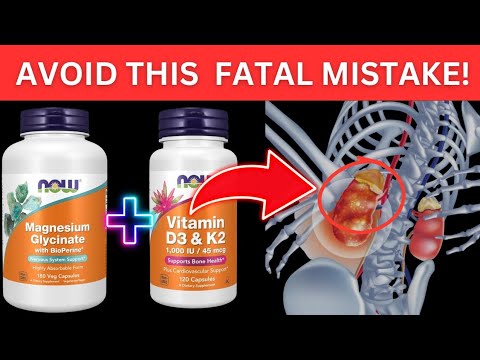
Are you taking Vitamin D3, Vitamin K2, and Magnesium for stronger bones, better immunity, and healthier aging? Many seniors rely on these essential nutrients — but a lot of people are unknowingly making mistakes that reduce the benefits or even put their health at risk.
In this video, we break down the 6 most common and dangerous mistakes seniors make when taking D3, K2, and Magnesium — and how to fix them immediately.
Whether you’re using these supplements to support your bones, heart, muscles, or overall well-being, this guide will help you take them the right way for maximum results.
🎯 What You Will Learn:
✔️ The correct time of day to take Vitamin D3 and Magnesium
✔️ Whether to take D3 and K2 together or separately
✔️ How low-quality supplements can harm seniors
✔️ Why some combinations reduce absorption
✔️ The safest and most effective daily dosage ranges
✔️ How to avoid dangerous interactions with medications
These simple corrections can make a huge difference in your energy, mobility, mood, and long-term health.
👵👴 Perfect For:
Seniors over 50, 60, or 70
Anyone taking Vitamin D3, K2, or Magnesium
Caregivers and family members
People managing bone loss, weak muscles, or low energy
📌 Don’t forget to:
👍 Like the video
📝 Comment your questions
🔔 Subscribe for more natural health tips
Take your supplements smarter, safer, and more effectively — starting today!
Some of the Magnesium brands found to contain the elemental magnesium they claim
Get Now Magnesium Glycinate Here: https://amzn.to/3RwgPTe
Get Nature Made Magnesium Glycinate Here: https://amzn.to/4laloAk
Get Deva Magnesium Glycinate Here: https://amzn.to/4797Yj3
Affiliate Disclaimer:
Some links in this description may be affiliate links, including those from the Amazon Associates Program. As an Amazon Associate, Wellness Bubble earns from qualifying purchases. This helps support the channel at no extra cost to you. Thank you for your support!
Medical Disclaimer:
1. The contents of the video and its partner articles and websites, including all text, graphics, images, and other material contained on the channel are strictly for informational purposes only. The Content is NOT intended to be used as a substitute for professional medical diagnosis, advice, or treatment. Please ALWAYS seek the advice of a physician or other qualified health provider with all questions that you have related to or about, a medical condition. Never ignore professional medical advice or delay getting medical advice because of something that you have watched on YouTube.
2. If you think you may have a medical emergency call 911 immediately.
3. Wellness Bubble does not endorse or recommend any specific tests, physicians, products, procedures, opinions, or other information that may be mentioned in our videos. Relying on any information that is provided by Wellness Bubble, its employees, or others appearing in the content is solely at your own risk.
vitamin D3, K2, and magnesium. This supplement combo is hands down one of the most common out there. But because so many seniors take these without fully understanding the risks, it’s extremely important to talk about the six serious mistakes that countless people make every day. We’re focusing on seniors specifically because a large percentage of them already have some level of heart or kidney issues, often without even knowing it, and their bodies are much more likely to react badly to these mistakes. In fact, studies show that many seniors are living with undiagnosed heart or kidney problems, making proper supplementation even more critical. But please don’t get this wrong. We’re not trying to scare anyone. This supplement combo is extremely powerful when it comes to maintaining good health, supporting bones, boosting immunity, and lowering the risk of heart disease and other chronic issues. Before we dive in, make sure to hit that like button, and subscribe to the channel to help this video reach more people who might be making these mistakes without even realizing it. Without further ado, let’s get started. One, taking high dose of vitamin D3 without enough magnesium. Many people do this without even realizing it. A lot of seniors combine a highdosese vitamin D, 3 plus K2 supplement, sometimes 10,000 IU of D3, with a magnesium supplement that claims to provide 400 mg of magnesium glycinate. Naturally, they assume they’re getting a full 400 mg of magnesium. But here’s the problem. That same supplement often provides less than 30 milligrams of elemental magnesium, the actual amount your body can use. And this is a huge issue because high doses of vitamin D3 actually deplete magnesium. Without enough magnesium, your body can’t properly activate the D3 and you could end up with muscle cramps, fatigue, irregular heartbeats, or other complications even while thinking you’re supporting your health. Two, taking magnesium supplements with certain medications. Many seniors don’t realize that magnesium can interact with several types of medications, which can either reduce the effectiveness of the medicine or cause dangerous side effects. For example, taking magnesium alongside blood pressure medications like ACE inhibitors or diuretics can amplify their effects and potentially lead to dangerously low blood pressure. Magnesium can also affect heart rhythm medications such as dyoxin or certain anti-riythmics increasing the risk of irregular heartbeats or other cardiac complications. Even common antibiotics like tetracycines or fluorocquinolones can bind with magnesium in the gut reducing absorption and making the antibiotics less effective. Magnesium can also interfere with bisphosphinates, medications used to strengthen bones, limiting their benefits. The takeaway is clear. Taking magnesium without checking for possible interactions can put seniors at risk of low blood pressure, heart rhythm problems, or reduced effectiveness of critical medications. Always consult your healthcare provider before starting magnesium supplements if you’re on any prescription drugs. Three, ignoring vitamin K2 when taking highdose vitamin D3. A common but serious oversight among seniors is taking high doses of vitamin D3 without including vitamin K2. K2 plays a crucial role in directing calcium to the bones and teeth where it’s needed instead of allowing it to deposit in the arteries or soft tissues which can increase the risk of heart problems. Some seniors are even prescribed high doses of D3, sometimes 5,000 to 10,000 IU, without ever being given K2. While these higher doses of D3 can be very beneficial depending on your blood levels and lifestyle, skipping K2 is a mistake you should never make. Ideally, you want at least 10 micrograms of K2 for every 1,000 international units of D3 to help your body use the calcium safely and support bone and cardiovascular health. Four, expecting supplements to replace diet or lifestyle. Many seniors make the mistake of thinking that taking vitamin D3, K2, and magnesium supplements alone is enough to maintain good health. The truth is supplements can support your body but they cannot replace a balanced diet and healthy lifestyle. For example, a diet high in refined carbohydrates can deplete magnesium making supplementation less effective. Similarly, your body cannot efficiently absorb and utilize vitamin D3 without healthy fats from high quality foods like avocados, olive oil or fatty fish. Without proper nutrition, even the best supplements may fall short of their full potential, leaving your bones, heart, and muscles at risk. Five, ignoring signs of deficiency or overdose. One of the most serious mistakes seniors make is ignoring the warning signs that their body is either lacking nutrients or taking too much. This is especially important when supplementing with vitamin D3, K2, and magnesium. Because these nutrients are powerful, but can cause problems if not balanced correctly. Overdose symptoms such as fatigue, nausea, muscle weakness, or irregular heartbeats can appear before serious damage occurs. Recognizing these signs early is crucial to prevent long-term complications like heart issues or kidney problems. The tricky part is that symptoms of overdose and deficiency can sometimes overlap. So, it’s important to know how to tell them apart. For example, magnesium deficiency often shows up as muscle cramps, twitching, insomnia, or even anxiety. Whereas magnesium overdose is more likely to cause diarrhea, nausea, extremely low blood pressure, and irregular heartbeats. With vitamin D3, deficiency can cause bone pain, fatigue, and muscle weakness. While overdose might lead to high calcium levels, nausea, kidney stress, and confusion. Other nutrients play a crucial supporting role when taking this supplement combo. Vitamin B6 is essential for magnesium to be properly utilized in hundreds of enzyatic reactions in the body, including nerve and muscle function. Potassium works alongside magnesium to maintain proper heart rhythm and muscle function. Without enough potassium, even the right dose of magnesium can’t fully prevent cramps or palpitations. Zinc supports immune function and bone health and also influences how your body metabolizes vitamin D3. Boron is critical for calcium and magnesium balance in bones, enhancing the effectiveness of both D3 and K2. A helpful strategy is to track your symptoms and pair them with blood tests. If you notice muscle cramps, fatigue, or poor sleep, you might be magnesium deficient. If you experience diarrhea, nausea, or unusually low blood pressure, that could signal too much magnesium, bone pain, and low energy can indicate D3 deficiency, while nausea, high calcium, or kidney related symptoms could suggest D3 overdose. Paying attention to these signals and ensuring your diet supports potassium, B6, zinc, and boron intake can help you get the full benefits of your supplements safely. Six, not checking kidney function periodically. When supplementing with vitamin D3, K2, and magnesium, paying attention to your body and getting periodic tests is not just recommended. It’s essential, especially for seniors. These nutrients are powerful and work together to maintain bone health, support the heart, and regulate calcium in the body. But if something goes wrong, the consequences can be serious. Vitamin D3 levels. D3 helps your body absorb calcium, but too little or too much can be harmful. A deficiency can lead to weak bones, fatigue, and muscle pain. While an excess, especially without enough K2, can raise calcium levels in the blood, potentially leading to kidney stones, nausea, and even kidney stress. Kidney function. The kidneys are responsible for filtering excess minerals from the blood, including magnesium and calcium. If kidney function is compromised, which is common in older adults, even seemingly safe doses of supplements can lead to dangerous accumulations. Without regular kidney function tests, a senior could be silently building up magnesium or other important tests. Periodic lab work should also include kidney function tests, creatinin, eGFR, electrolyte panels, magnesium, potassium, calcium, and sometimes markers for cardiovascular health. These tests give a clear picture of how your supplements are affecting your body and whether adjustments are needed. That wraps up the six serious mistakes seniors make when taking vitamin D 3, K2, and magnesium. Remember, this supplement combo can be incredibly powerful for supporting your bones, heart, and overall health, but only when used correctly and safely. Always pay attention to your body, track your symptoms, and don’t skip regular blood tests to make sure your levels are where they should be. If you found this video helpful, please like, share, and subscribe to help more seniors avoid these common mistakes. And as always, consult your health care provider before making any changes to your supplements. Your health is worth it. Thanks for watching and see you in the next