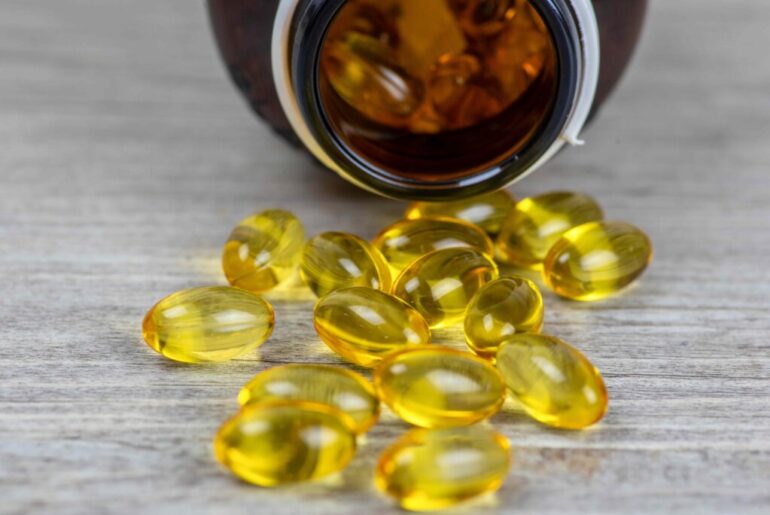
Many people in the UK are classified as deficient at this time of year
Steffan Rhys Deputy Content Hub Director
09:17, 22 Nov 2025Updated 09:17, 22 Nov 2025
 4 hidden symptoms of vitamin D deficiency have been explained by nutritionist(Image: Jelena Stanojkovic via Getty Images)
Vitamin D is a hormone produced in the skin when exposed to sunlight. It’s crucial for a wide range of bodily functions, including immune system regulation, reduction of inflammation, bone and joint health, mental health and heart function.
Low levels of Vitamin D have also been linked to conditions like anxiety and depression, can result in bones becoming thin and brittle, and lead to rickets in children and osteomalacia (softening of the bones) in adults. Together with calcium, vitamin D also helps protect older adults from osteoporosis.
The NHS and UK Government advises that “everyone should consider taking a daily vitamin D supplement during the autumn and winter” (from about late March/early April to the end of September, most people should be able to make all the vitamin D they need from sunlight on their skin when outdoors). While the use of vitamin D supplements has been questioned by health and nutrition expert Professor Tim Spector, another writer says the effects of taking vitamin D have been “life-changing”.
But how do you know if you might be low in vitamin D levels and need to address it? Shona Wilkinson, lead nutritionist at ethical supplement and nutrition brand Dr Vegan, says there are signs and symptoms that could point to it.
Shona says: “You’ve likely heard about the importance of getting enough vitamin D, especially during the winter. Despite this, many people still don’t fully understand the role it plays in our bodies, and perhaps worse, around 30-40% of the UK population is still classified as Vitamin D deficient at this time of year.”
Below are some of the symptoms you might want to look out for:
Frequent colds or infections
Shona says: “Vitamin D supports immune function, helping our bodies to fight off viruses and bacteria that may cause or harm or leave us feeling worse for wear. The more vitamin D we have in our body, the healthier our immune system becomes, meaning we’re less likely to feel like we’re batting a constant cold all winter. If you do feel like you’re constantly under the weather during winter, try topping up your vitamin D reserves.”
Bone and joint pain
Vitamin D also helps our bones to absorb all the calcium it needs to keep them strong enough to support us throughout the day. Without vitamin D, our bones will be lacking in calcium and will eventually become brittle and prone to breaking. A deficiency in vitamin D can also lead to poor joint health, leading to inflamed joints and general stiffness. This is especially the case during winter, where pain and stiffness tends to creep in due to the cold weather.
Fatigue
“Vitamin D also helps prevent fatigue by supporting muscle function and keeping our nervous system in check,” says Shona. “Low levels of Vitamin D can lead to chronic fatigue, which often comes in the form of excessive tiredness, muscle weakness, dizziness, and even headaches. This fatigue can impact our focus, decision-making, and overall immunity, making life generally unpleasant.
“If you’re feeling in need of an energy boost this winter, try topping up your vitamin D reserves, but make sure to consult a GP if symptoms persist.”
Depression
“Research shows that those diagnosed with depression tend to have lower levels of Vitamin D than others, highlighting the impact a deficiency might have on our mental health,” says Shona. “The vitamin D in our system influences our mood and helps with brain function, especially the distribution of serotonin, otherwise known as the ‘happy hormone’. Again, however, it’s vitally important to contact a GP or mental health professional if symptoms become unmanageable.”
Although it is more challenging to find sunlight at this time of year, vitamin D is also found in some foods, though finding food sources can be challenging for those on certain diets. For vegans, for example, food sources are limited to mushrooms, fortified plant milks and some cereals, though mushrooms alone don’t provide enough.
Other foods which may help keep your vitamin D levels high during the winter are:
Oily fish like salmon, mackerel and sardines, who pass on the vitamin D they’ve consumed by eating zooplankton on the water’s surface.Red meat, offal and liver will contain a healthy dosage of vitamin D, but be careful not to eat too much and interfere with your digestion.Egg yolks from the eggs of healthy, free-range chickens, who will have been exposed by UVB light previously.Wild mushrooms like morels, which will have absorbed much of the UVB light it’s been exposed to during growth.