Ultrahuman has been granted a patent for a smart ring with a dedicated ultraviolet B sensor that tracks Vitamin D production in real time. The sensor directly measures UVB radiation exposure on your skin, bypassing the guesswork of weather-based estimation.
A more accurate approach than app-based estimates
We actually just spotted US Patent No. 12,460,969 B2, which was filed with the USPTO on November 4th. But it makes very interesting reading.
Most current wearables rely on app data tied to your location and the UV index from weather services. That method fails if you’re behind a window or in the shade. It cannot distinguish between direct sun and ambient light. So its just a guestimate.
Ultrahuman’s patent outlines a different route. The UVB sensor sits directly on the ring and is covered with a filter that only allows light in the 290 to 315 nm range to pass through. This is the narrow band of ultraviolet radiation that actually prompts the skin to make Vitamin D.
By capturing light at that exact wavelength, the ring calculates your exposure based on photons hitting your hand. So not just what the weather app says is possible.
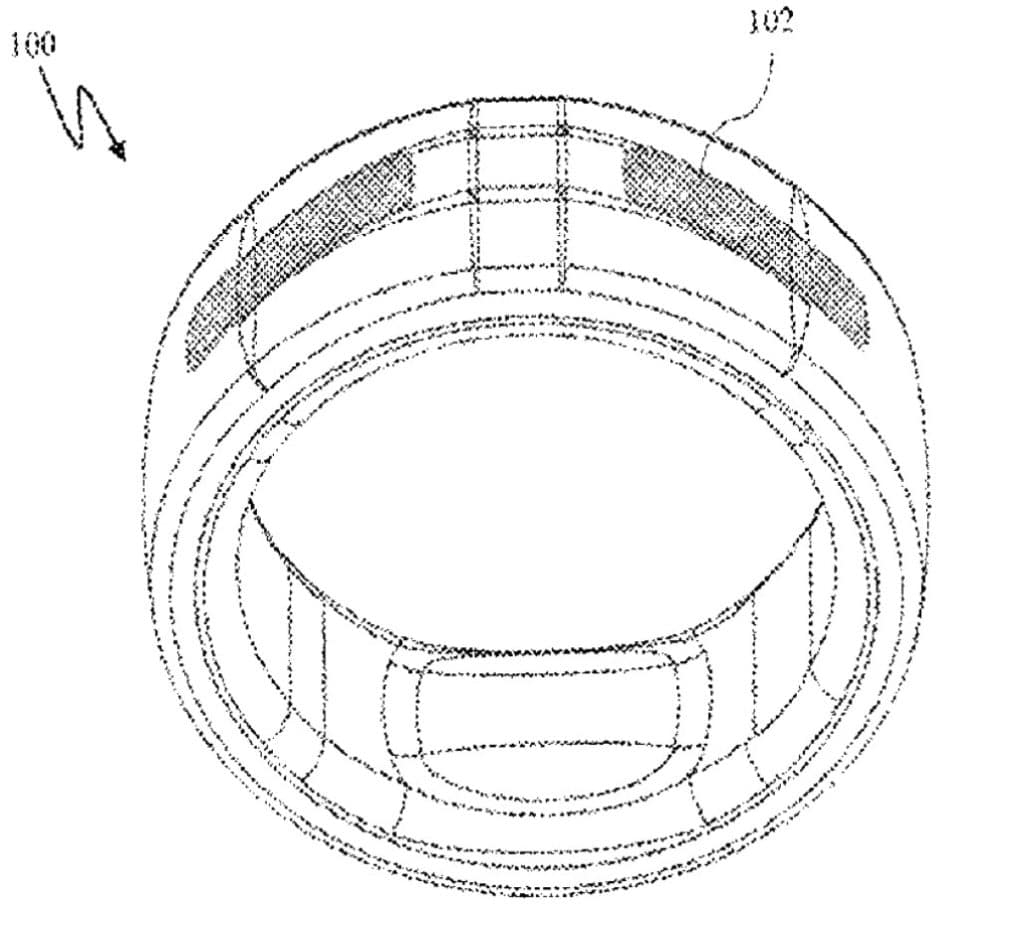 From the patent filingReal-time dosage that adapts to your body
The system goes beyond just detecting UVB. A microcontroller interprets the raw light data and uses a formula to weigh it by intensity and time. Then it runs your exposure through a set of filters tailored to your individual traits.
Skin tone plays a key role here. People with darker skin tones synthesize Vitamin D more slowly. The patent mentions either automatic detection of skin type or a manual entry using a scale like Fitzpatrick. The app also lets you input clothing coverage. So if you’re in a sleeveless shirt versus a hoodie, the device knows what areas of skin are actually exposed. These inputs let the system refine the dosage calculation to reflect your true Vitamin D production capacity.
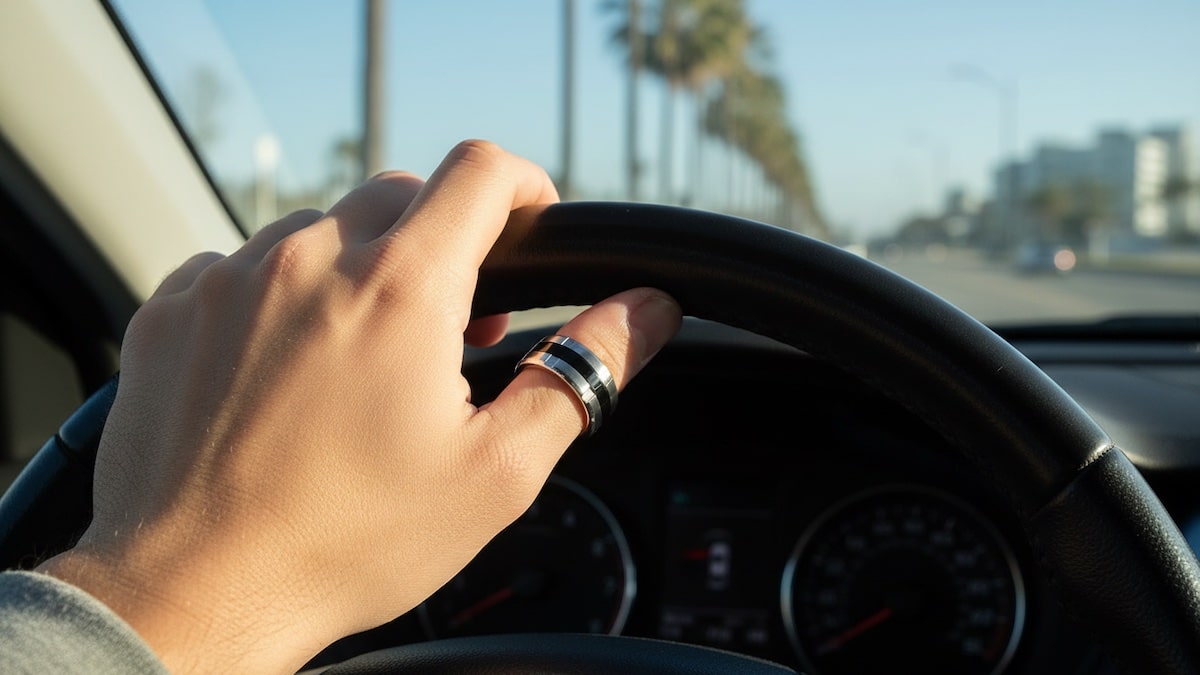
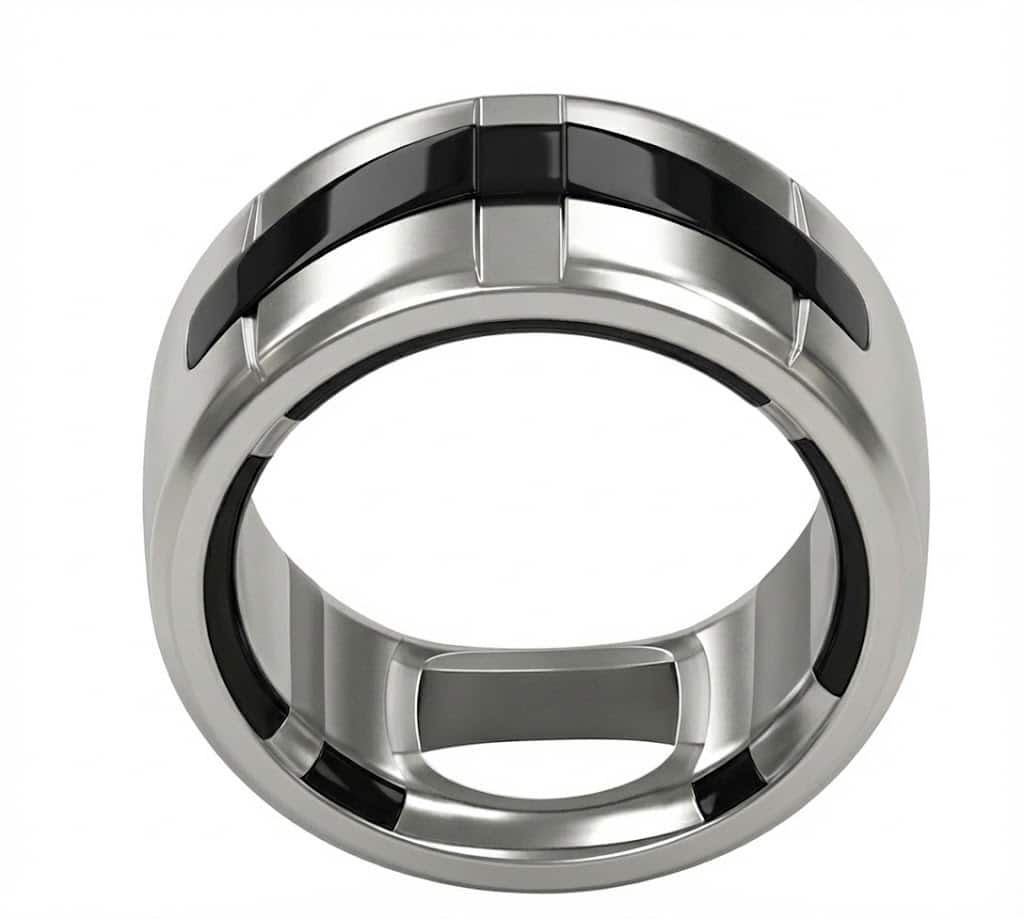 Concept image based on patent filing | Source: Gadgets & WearablesBuilt-in safety system against sunburn
The ring also watches out for overexposure. The patent describes a feature that tracks cumulative UVB and flags when you are nearing your safe daily limit. Since the ring has direct exposure data, it avoids the common mistake of using static recommendations like “10 minutes a day.” It knows that mid-day sun in summer is far more intense than afternoon light in autumn.
Instead of using crude timers or generic advice, the sensor monitors dose by second and adjusts its warnings accordingly. The idea is to find a range where you get just enough UVB to boost Vitamin D without risking skin damage.
Sensor layering without sacrificing design
Packing this sensor into a small smart ring required some engineering workarounds. The patent drawings show a layered build with a metal outer shell, a middle section that houses a flexible circuit board, and a translucent inner ring that allows light to pass through to the UV sensor. This same area likely holds the PPG sensor for heart rate tracking as well.
There’s also mention of a wireless charging coil, which fits with Ultrahuman’s existing design language. The patent shows how the UVB feature can be added without needing a port or sacrificing water resistance. Everything is contained in the usual closed-loop format ring users expect.
Nudging indoor workers into the sun
One clear target here is the indoor lifestyle. The patent calls out remote workers specifically, noting the rising rates of Vitamin D deficiency. Existing systems may tell you it’s sunny, but they don’t know if you’ve actually left the house.
This ring would only record Vitamin D production if you go outside and expose your skin. In that sense, it forces behavior change. If you want to see progress, you have to physically step out. That makes the tracking more accountable. It creates a clear link between your environment, your actions, and your nutritional status.
Ultrahuman already has a Vitamin D estimation feature called PowerPlugs, which uses software to suggest whether you’re getting enough sun. This patent suggests they want to move past guesswork and start tracking sunlight like a macro nutrient. In other words, real metabolic input monitoring, delivered passively through a ring.
We are expecting the company to come out with a new offering soon. Its recent patent troubles with Oura has made it all the more urgent for the company to come out with a different ring design. This might, very well, be that answer. Whether the tech makes it into the Ultrahuman Ring Pro which we are expecting in the near future – remains to be seen.
Earlier this year the company had also filed a patent for a glucose tracking ring. If that one becomes a reality, it could really shake-up the smart ring space.
This article originally appeared on Gadgets & Wearables, the first media outlet to report the story.
Subscribe to our monthly newsletter! Check out our YouTube channel.
And of course, you can follow Gadgets & Wearables on Google News and add us as a preferred source to get our expert news, reviews, and opinion in your feeds.