
For more information on coronary artery disease, please visit https://cle.clinic/3BAULgv
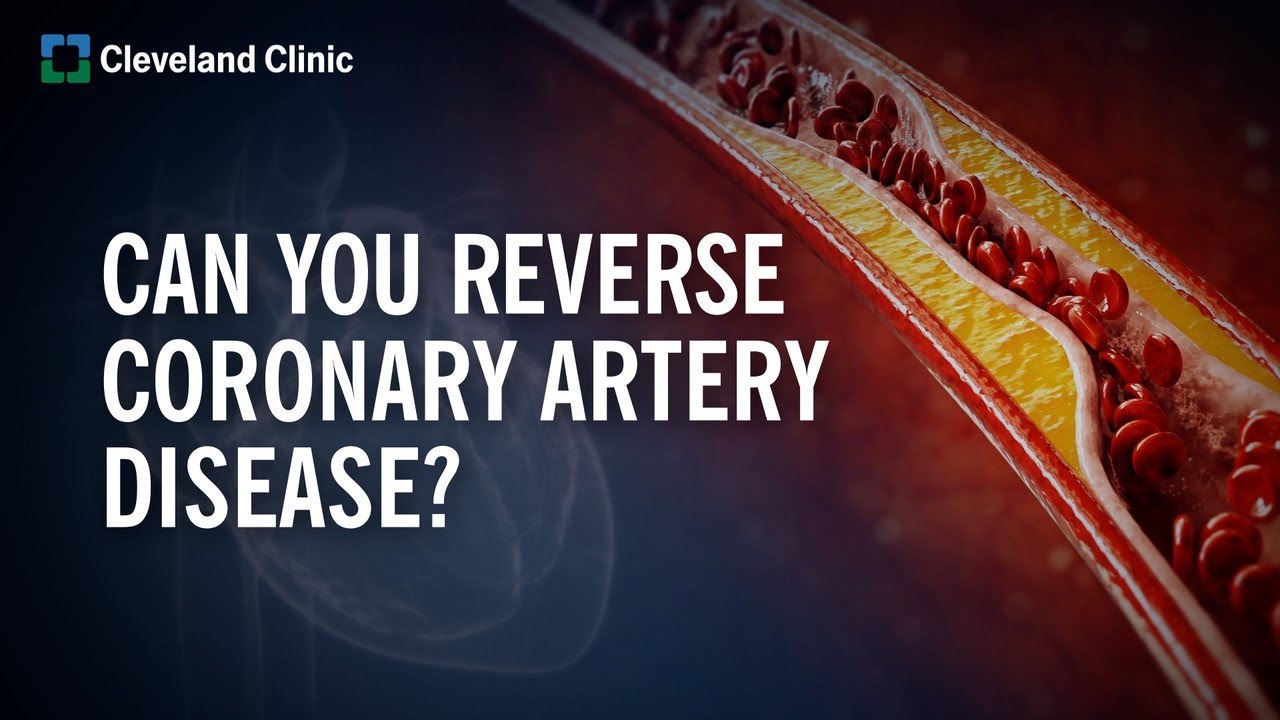
More than 360,000 people died from coronary artery disease in 2019. While there is no cure to the disease, you can take steps to lower your risk and manage the harmful plaque build-up impacting your health.
Chapters:
0:00 Intro
0:12 What is coronary artery disease?
0:26 What are the signs of coronary artery disease?
0:41 Can you reverse coronary artery disease?
1:04 What are statins?
1:34 What are the treatments for coronary artery disease?
1:46 Make lifestyle changes to reduce your risk.
2:07 Taking medication can help treat coronary artery disease.
2:25 What is a coronary stent procedure?
3:03 What is coronary artery bypass graft surgery?
3:36 What’s the best treatment for coronary artery disease?
3:45 When should you talk to your doctor about coronary artery disease symptoms?
Resources:
Can Statins Actually Reverse Plaque Buildup: https://cle.clinic/3cDHxVT
What You Should Expect From Statin Therapy: https://cle.clinic/3oTKPKn
Cholesterol Guidelines & Heart Health: https://cle.clinic/3DMBwSC
The information in this video was accurate as of 11.25.2021 and is for information purposes only. Consult your local medical authority or your healthcare practitioner for advice.
If you liked the video hit like and subscribe for more!
#clevelandclinic #coronaryarterydisease #hearthealth
(gentle music) More than 360,000 people died from coronary artery disease in 2019, it develops when the
arteries in your heart become partially or fully blocked by a fatty material called plaque. As a result, your arteries narrow. Meaning your heart muscle doesn’t get the blood flow it needs. Signs of coronary artery
disease include chest discomfort that feels like tightness or pressure, being short of breath, having chest pain, especially
after walking upstairs. There are many ways to prevent
coronary artery disease, but if you’ve already been diagnosed, is it possible to lessen its effects? Unfortunately, you can’t reverse coronary
artery disease entirely and there is no cure. However, you can take steps
to reduce your risk factors and manage the harmful plaque
buildup impacting your health. Statins, short for statin medications, lower your bad cholesterol, which causes plaque to accumulate. Bad cholesterol levels below
70 milligrams per deciliter can potentially reduce
plaque by up to 24%. Taking statins can also stabilize your existing plaque buildup,
preventing further damage. People can sometimes have uncomfortable or harmful side effects
after taking statins however, so talk to your doctor
about what’s best for you. If you or a family
member has been diagnosed with coronary artery disease, there are several treatment
options to consider. The four common approaches are
one, make lifestyle changes. Embracing healthy habits
is the best first step. Lifestyle changes you can
make include quitting smoking, taking care of health problems,
such as high blood pressure, eating a heart healthy diet, exercising regularly,
limiting alcohol intake. Number two, take medication. Your doctor may prescribe medications that will lower cholesterol like statins, lower blood pressure,
stop angina or chest pain. Reduce the risk of blood clots, lower blood sugar levels
if someone is diabetic. Three, have a coronary stent procedure. With severe artery blockages, you might need a percutaneous
coronary intervention. What’s commonly referred
to as an angioplasty. First, doctors inserted
thin tube called a catheter into an artery on your wrist or leg. This tube has a deflated
balloon at the end. using x-rays as a guide, doctors
direct the balloon catheter to the blocked artery. Then they gently inflate the balloon, which widens the artery
and restores blood flow. Finally, doctors implant a stent, which looks like a piece of scaffolding, to keep the artery open. Number four, have coronary
artery bypass graft surgery. With this surgery,
doctors create new paths for blood to flow around a blocked artery, surgeons carefully remove blood vessels from your chest, arm or leg. Next, they connect these vessels to existing blood vessels on the heart, so oxygen rich blood can once again flow. Deciding the best coronary
artery disease treatment depends on how severe your
symptoms are, your age, how many arteries are affected, how severely your arteries are affected. You should speak with
your doctor and determine the best treatment plan together. Coronary artery disease is the most common type of heart disease. However, sometimes you
won’t know you have it until you have a stroke or a heart attack. Talk to your doctor if
you have a family history of heart disease or are experiencing any coronary artery disease symptoms, early intervention is key to
keeping your heart healthy, both now and in the future. (gentle music)