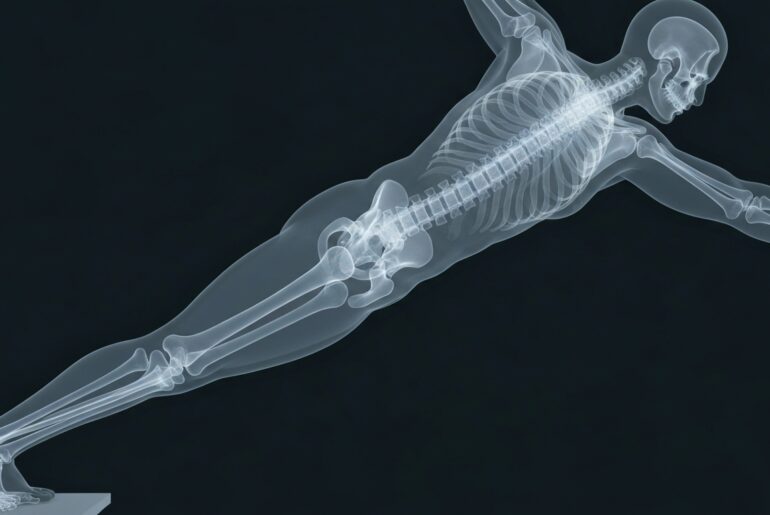
The Hidden Vitamin for Stronger Legs After 60 You Must Know
Are you over 60 and looking to boost your leg strength? Discover the little-known vitamin that could transform your mobility and enhance your daily activities. Don’t miss out on this essential information that could make a significant difference in your life.
In this video, our expert shares insights on how this hidden vitamin can benefit seniors, promoting overall wellness and prevention of common age-related issues.
If you find this information valuable, be sure to subscribe for more health tips tailored for seniors!
#SeniorHealth #Wellness #LegStrength #HealthyAging #VitaminBenefits
DISCLAIMER: The information provided in this video is for educational and informational purposes only. It does not constitute professional medical advice, diagnosis, or treatment. Always consult a qualified healthcare provider with any questions or medical conditions. The author and channel assume no responsibility for the use or misuse of the information contained herein.
Have you ever felt that your legs just
aren’t what they used to be? Perhaps you’ve experienced weakness, cramps, or even
instability when standing or walking? If so, you’re not alone. Many seniors believe that these
issues are simply a part of aging, something we must accept as we grow older. But what if I told
you that the true cause of leg weakness might be something entirely different? It could be linked
to essential vitamins that your body is lacking, especially at night. The good news is that there’s
a solution and it’s more straightforward than you might think. In this video, we will uncover the
hidden bedtime vitamin that can help you regain strength in your legs and improve your overall
stability. You will learn what specific nutrients are crucial for your leg health, how they work
during your body’s natural overnight repair cycle, and why they often go unnoticed. I want to share
with you the vital connection between these nutrients and your muscle strength, balance, and
recovery. This information could change the way you think about your leg health after 60. So,
stick around because I promise you don’t want to miss it. Before we dive in, I encourage you
to subscribe, turn on notifications, and like this video right now. By doing so, you’ll ensure
you never miss out on valuable health tips and insights tailored just for you. Now, let’s begin
by discussing why leg weakness after 60 is often misunderstood. Many people attribute their leg
issues solely to aging, but new research suggests that this is not the complete picture. Aging can
indeed bring about changes in our bodies, but it’s essential to understand that deficiencies in key
vitamins and minerals can significantly contribute to leg weakness. In my experience, I have seen
many individuals who feel defeated by the natural aging process, believing that there’s little they
can do to improve their condition. However, what I’ve learned is that with the right nutritional
support, it is possible to regain strength and confidence in your legs. Understanding the role
of vitamins such as magnesium, B12, D3, and K2 can empower you to take control of your health. Let’s
take a closer look at these nutrients and how they impact your leg strength. Magnesium is a mineral
that plays a crucial role in muscle function. It helps to relax tight muscles, which can be
particularly beneficial for those experiencing cramps or stiffness in their legs at night. When
taken before bed, magnesium can promote better sleep and muscle recovery, allowing you to wake
up feeling refreshed and ready to take on the day. Vitamin B12 is another essential nutrient
that many seniors are deficient in, and it plays a vital role in nerve function. Inadequate levels
of B12 can lead to impaired communication between your nerves and muscles, which can affect your
stability and strength. During our later years, the ability to absorb B12 can decline, making it
even more critical to ensure you’re getting enough of this vitamin. Then there’s vitamin D3. This
vitamin is well known for its role in bone health, but it also supports muscle strength. D3 helps
your body absorb calcium, which is essential for maintaining strong bones. However, it’s important
to note that D3 needs to be paired with vitamin K2 to ensure that calcium is correctly utilized in
the body. This combination supports not just bone health, but also contributes to overall muscle
function. Lastly, let’s not forget about vitamin K2. This vitamin helps direct calcium to the
bones and teeth where it’s needed and away from the arteries and soft tissues where it can cause
harm. In my discussions with health professionals, I’ve learned that ensuring a proper balance of
these vitamins is vital for anyone looking to strengthen their legs and enhance their overall
health. Now, you might be wondering how to effectively incorporate these vitamins into your
routine. I’m here to tell you that it doesn’t have to be complicated. In the upcoming segments
of this video, I will guide you through the best forms, doses, and timing for seniors over
60. You will also learn about a simple nightly routine that can help you strengthen your legs
week by week, setting you on the path to better health and mobility. As we continue, I urge you to
think about your current vitamin intake. Are you aware of what you might be missing? Many seniors
overlook these essential nutrients, not realizing the profound impact they can have on their leg
strength and overall health. I want to emphasize that the journey to stronger legs and better
balance is within reach. With the right knowledge, you can take actionable steps to address
these deficiencies and improve your quality of life. Remember, this is not just about adding
supplements. It’s about fostering a healthier lifestyle that supports your body’s needs as
you age. Stay tuned as we delve deeper into the specifics of how these vitamins work together, the
timing of when to take them for maximum benefit, and how you can create a supportive nightly
regimen that aligns with your body’s natural rhythms. You deserve to feel confident and
steady on your feet. And with the right approach, achieving this is entirely possible. So, let’s
continue this journey together and explore the hidden bedtime vitamin that could be the key to
unlocking your leg strength after 60. Building on these insights, it’s important to recognize
how our bodies change as we age, particularly in terms of nutrient absorption and utilization.
Many seniors experience a decrease in digestive efficiency which can lead to deficiencies
in crucial vitamins and minerals. This is particularly true for B12 which is primarily
found in animal products. If your diet is lacking in these foods or if you have conditions that
affect absorption such as atrophic gastritis or pernicious anemia, it becomes even more essential
to ensure you’re getting enough B12. In my experience, many seniors don’t realize how easily
they can incorporate more of these nutrients into their diets. For instance, if you’re not consuming
enough fish, meat, eggs, or dairy, you might need to consider fortified foods or supplements. It’s
crucial to be proactive in seeking out these sources as neglecting this can lead to a spiral
of weakness and instability. Now, let’s talk about vitamin D3 and its relationship with vitamin K2.
These two vitamins work synergistically for not just bone health but also muscle function. When
vitamin D3 is activated in the body, it helps to increase the absorption of calcium from your
diet. However, if that calcium isn’t directed to where it’s needed, it can cause problems such
as arterial calcification. This is where vitamin K2 steps in. It helps to ensure that calcium is
deposited in the bones and teeth while preventing it from accumulating in the arteries. One thing I
want to emphasize is the importance of timing when taking these vitamins. Research shows that the
body has a natural rhythm and certain nutrients are more effective when taken at specific times.
For example, taking vitamin D3 in the morning can align with your body’s natural production of
this vitamin when exposed to sunlight. Conversely, taking magnesium in the evening can help promote
relaxation and prepare your body for restful sleep. I’ve seen many individuals benefit from
establishing a routine that incorporates these vitamins at the right times. It might seem
daunting at first, but I assure you that with a little planning, it can easily become part of
your nightly ritual. This leads us to the concept of a supportive nightly regimen. Imagine this.
Every evening, you take a moment to reflect on your day and prepare for a restful night. As part
of this routine, you incorporate your vitamins. You might start with a calming tea, then take
your magnesium, followed by your vitamins’s D3 and K2. This simple act not only supports your
leg strength, but also creates a sense of calm and relaxation, making it easier for you to wind
down. As you adopt this routine, you may start to notice changes over time. You might find that your
muscles feel less tense, your legs feel stronger, and your balance improves. These changes can
lead to greater confidence in your mobility, allowing you to engage in activities that you may
have shied away from due to fear of falling or instability. Let’s talk about another component,
nutrition. While supplements are important, they should complement a diet rich in whole
foods. Incorporating leafy greens, nuts, seeds, fish, and fermented foods can provide essential
nutrients that synergize with your vitamins. For example, greens are an excellent source
of vitamin K, while fatty fish provides both vitamin D and omega3 fatty acids, which are
known for their anti-inflammatory properties. I want you to consider the foods you enjoy and
how you can enhance them with these vitamins. If you’re not a fan of fish, perhaps you can
explore alternatives like fortified plant-based milks or supplements. The key is to find what
works for you, making it not only effective, but also enjoyable. As we move forward, I want
to address a common challenge, the overwhelm of managing multiple supplements. It can feel like a
lot to juggle, especially if you’re also managing other health conditions. One approach I recommend
is to keep your vitamins in a designated place, perhaps near your nighttime routine items. This
way, it becomes a natural part of your evening, and you won’t forget to take them. If you find
yourself struggling to remember, consider using a pill organizer or setting a reminder on
your phone. These simple strategies can make a significant difference in ensuring you stay
consistent with your vitamin regimen. Furthermore, it’s important to listen to your body. If you
notice any adverse effects from the vitamins you’re taking, don’t hesitate to consult with
your healthcare provider. They can assist you in adjusting dosages or exploring alternative options
that may suit you better. I also want to point out the importance of hydration. Staying well hydrated
is crucial for muscle function and recovery. As we age, our sense of thirst may diminish, which
can lead to dehydration. This can exacerbate feelings of weakness and contribute to cramping.
Make it a habit to drink a glass of water with your vitamins and throughout the day aiming
for clear urine as a sign of good hydration. As we explore the topic of leg strength further,
let’s consider the exercises that can complement your nutritional efforts. While vitamins play
a critical role in muscle and nerve function, physical activity is equally important. Simple
exercises such as calf raises, leg lifts, and gentle stretching can enhance the benefits
of the vitamins you’re taking. In my experience, even light physical activity can stimulate
muscle engagement and promote circulation, which is essential for nutrient delivery to
your muscles. If you’re unsure where to start, consider consulting a physical therapist or
a fitness trainer who specializes in senior health. They can provide tailored exercises that
align with your abilities and goals. Now, staying consistent with both your vitamins and exercises
is essential. It’s not just about taking the right supplements. It’s about creating a holistic
approach to your health. This includes regular check-ins with yourself to assess how you feel and
what adjustments might be needed. As you embark on this journey, remember that small incremental
changes lead to significant improvements over time. You may not notice immediate results, but
with patience and persistence, you can build a foundation for stronger legs and a more stable
lifestyle. So, keep your mind open and stay engaged. The journey to better leg health after 60
is not just about what you take, but how you live. In our next segment, we will delve into the
specifics of the hidden bedtime vitamin that can be the gamecher for your leg strength, revealing
the final pieces of this puzzle. I encourage you to reflect on what we’ve discussed so far and
consider how you can apply these insights to your life. Stay tuned as we uncover the essential
steps to regain your strength and confidence in your legs. In our exploration of the hidden
bedtime vitamin for stronger legs, we must focus on the crucial role of magnesium. This mineral
is often overlooked, yet it plays a pivotal role in muscle function, nerve transmission, and
overall well-being. Magnesium helps to relax muscles and can alleviate cramps, making it a key
player in your nightly routine. In my experience, many seniors find that incorporating magnesium
into their regimen not only eases muscle tension, but also enhances the quality of their sleep.
Consider this. Magnesium is involved in over 300 biochemical reactions in your body. It’s
essential for converting food into energy and for synthesizing proteins, which are vital for
muscle repair and growth. By taking magnesium before bed, you’re allowing your body to do
its healing work while you sleep. Imagine waking up feeling refreshed with more strength
in your legs, ready to take on the day. Now, let’s dive deeper into the relationships between
these vital nutrients. Vitamin B12, for example, is necessary for the production of red blood cells
and DNA synthesis. A deficiency in B12 can lead to weakness and fatigue, which can significantly
impact your mobility. When paired with magnesium, B12 can enhance nerve function, ensuring
that your muscles respond effectively to signals from your brain. This connection can be
particularly beneficial for maintaining balance and coordination as you age. Moreover, it’s
essential to consider the synergy between vitamin D3 and K2. Vitamin D3 helps to absorb calcium,
but without K2, that calcium might not reach the bones effectively. K2 activates proteins that
guide calcium to the right places in your body, preventing it from accumulating in arteries and
soft tissues. This is crucial for maintaining bone density and strength, which directly impact your
leg health. Incorporating these vitamins into your nightly routine can create a powerful strategy for
improving leg strength. I recommend establishing a specific time each night to take your vitamins,
perhaps as you wind down from your day. This creates a habit that becomes second nature, making
it easier to remember. Pair this with a calming activity such as reading or gentle stretching to
signal to your body that it’s time to relax and recuperate. Let’s not forget about the role of
nutrition in this equation. A diet rich in whole foods can enhance the effectiveness of your
supplements. Foods high in magnesium include leafy greens, nuts, seeds, and whole grains. For
B12, focus on animal products like fish, meat, and eggs. Or consider fortified plant-based options if
you follow a vegetarian or vegan diet. Vitamin D can be obtained from fatty fish and fortified
foods, while vitamin K2 is found in fermented foods like natto and certain cheeses. I want to
stress the importance of a well-rounded diet as a foundation for your health. Supplements are
beneficial, but they should act as a complement to a nutritious diet. By focusing on whole foods,
you not only nourish your body, but also enhance your body’s ability to absorb and utilize the
vitamins and minerals you’re taking. As you embark on this journey to stronger legs, remember that
consistency is key. Track your progress and notice the small changes over time. It might be helpful
to keep a journal where you can log how you feel each day, noting improvements in strength
or stability. This can serve as a powerful motivator as you witness your own progress. In
addition, consider incorporating light physical activities into your routine. Simple exercises can
amplify the benefits of your vitamins and create a comprehensive approach to strengthening your legs.
Activities like walking, swimming, or even share exercises can enhance circulation, promote muscle
engagement, and boost your overall well-being. I also encourage you to connect with others who
are on a similar journey. Whether it’s joining a community group or participating in local
exercise classes, having a support system can make a significant difference in your motivation
and adherence to your routine. Sharing experiences and tips with peers can provide encouragement
and accountability. As we wrap up this segment, I want to highlight the transformative potential
of the hidden bedtime vitamin and its supporting nutrients. By understanding how these vitamins
work together, you can empower yourself to take control of your leg health and overall vitality.
To sum it up, remember the key takeaways. Magnesium for relaxation, B12 for nerve function,
D3 for calcium absorption, and K2 for directing that calcium to your bones. Implementing a nightly
routine that includes these vitamins can lead to significant improvements in your leg strength
and stability over time. If you found this information helpful, consider subscribing, turning
on notifications, and liking this video for more weekly health tips. And if you found this video
truly useful, please consider showing your support with a super thanks below. Your contribution
helps us create even more valuable content.