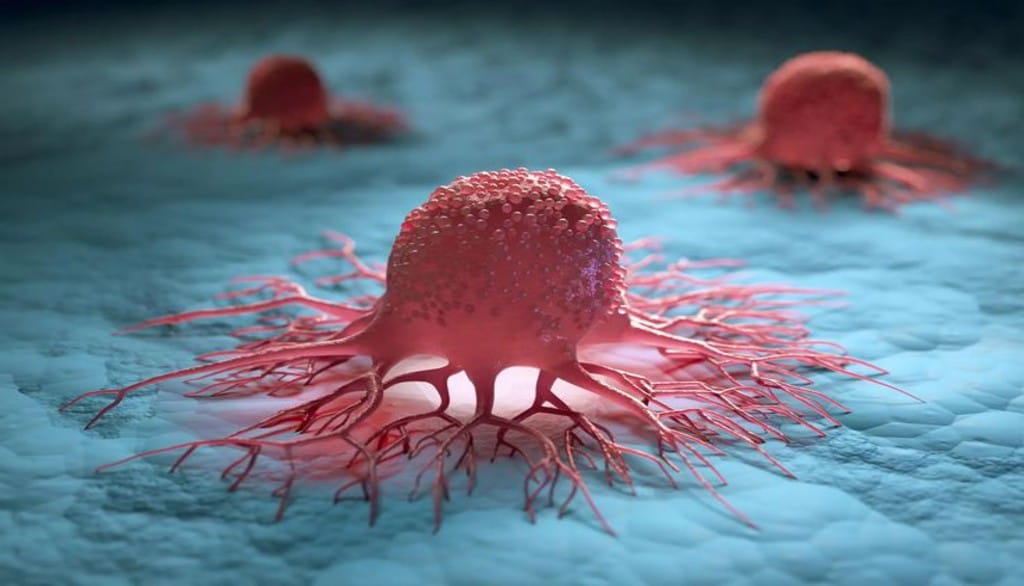
Patna: A recently published study has identified a strong connection between vitamin D and improved immune function, suggesting that maintaining sufficient levels of the nutrient could help the body resist several serious cancers. The findings indicate that vitamin D may regulate immune responses and slow the growth of cancer cells, possibly by fostering the growth of beneficial gut bacteria.

The study—published in Science—marks a significant step forward in understanding how the micronutrient contributes to the body’s defence mechanisms.
What exactly is vitamin D?
Vitamin D is a vital nutrient that supports the absorption of calcium and phosphorus, essential for keeping bones and teeth strong. It also plays a crucial role in muscle function, nerve signalling, and a well-regulated immune system.

People can acquire vitamin D through sunlight, fatty fish, cod liver oil, eggs, and fortified foods such as milk, orange juice and cereals. For vegetarians, mushrooms exposed to sunlight provide an effective plant-based option. In many cases, dietary supplements are also recommended to maintain healthy levels.
What the new study found
In experiments conducted on mice, researchers discovered that vitamin D supplementation enhances the growth of specific gut bacteria linked to cancer resistance. Mice fed a vitamin D-rich diet showed stronger immunity and responded better to immunotherapy—a key treatment for several types of cancer.
The study adds to a growing body of evidence that gut health is closely connected to cancer outcomes.
The link between vitamin D and the gut microbiome
Vitamin D plays a key role in maintaining intestinal health and regulating inflammatory responses. Scientists found that adequate levels of the nutrient increase the population of Bacteroides fragilis—a beneficial bacterial species known to strengthen the immune system.
This microbial shift may help the body counter multiple cancers, including prostate, skin, breast and colon cancer.
How dangerous is vitamin D deficiency?
According to research cited by the National Library of Medicine, deficiency in vitamin D is associated with an increased risk of 17 different cancers, particularly breast, prostate and colon cancers. Beyond cancer, low vitamin D levels are linked with heart disease, stroke, autoimmune disorders and periodontal disease.
Impact on heart health
Low vitamin D levels can significantly affect cardiovascular health:
Raised blood pressure: Deficiency disrupts the RAAS system, causing blood vessels to constrict.
Plaque buildup: Lack of vitamin D accelerates plaque formation in arteries, raising the risk of heart attack and stroke.
High LDL cholesterol: Deficiency may increase bad cholesterol and triglycerides while lowering good HDL cholesterol.
Heart rhythm disturbances: Studies indicate a link between deficiency and arrhythmias which, in severe cases, can trigger sudden cardiac events.
Experts note that while vitamin D deficiency alone may not directly cause heart disease, it can worsen risk factors such as insulin resistance, inflammation, and poor lipid metabolism.
How much vitamin D do you need daily?
The National Academy of Medicine recommends:
Supplements may be taken if dietary intake and sunlight exposure are insufficient.
Disclaimer
This report provides general health information based on scientific studies and expert analysis. Readers should consult healthcare professionals before making changes to diet, supplements or treatment plans