Vitamin C is an essential nutrient your body can’t actually make on its own. Many everyday foods naturally supply your body with vitamin C, which it relies on for tissue repair, protection from free radicals, and to bolster iron absorption.
Here are ten delicious, dietitian-approved tips to be more intentional with your daily vitamin C intake.
1. Add Some Zest to Your Meals
Tomekbudujedomek
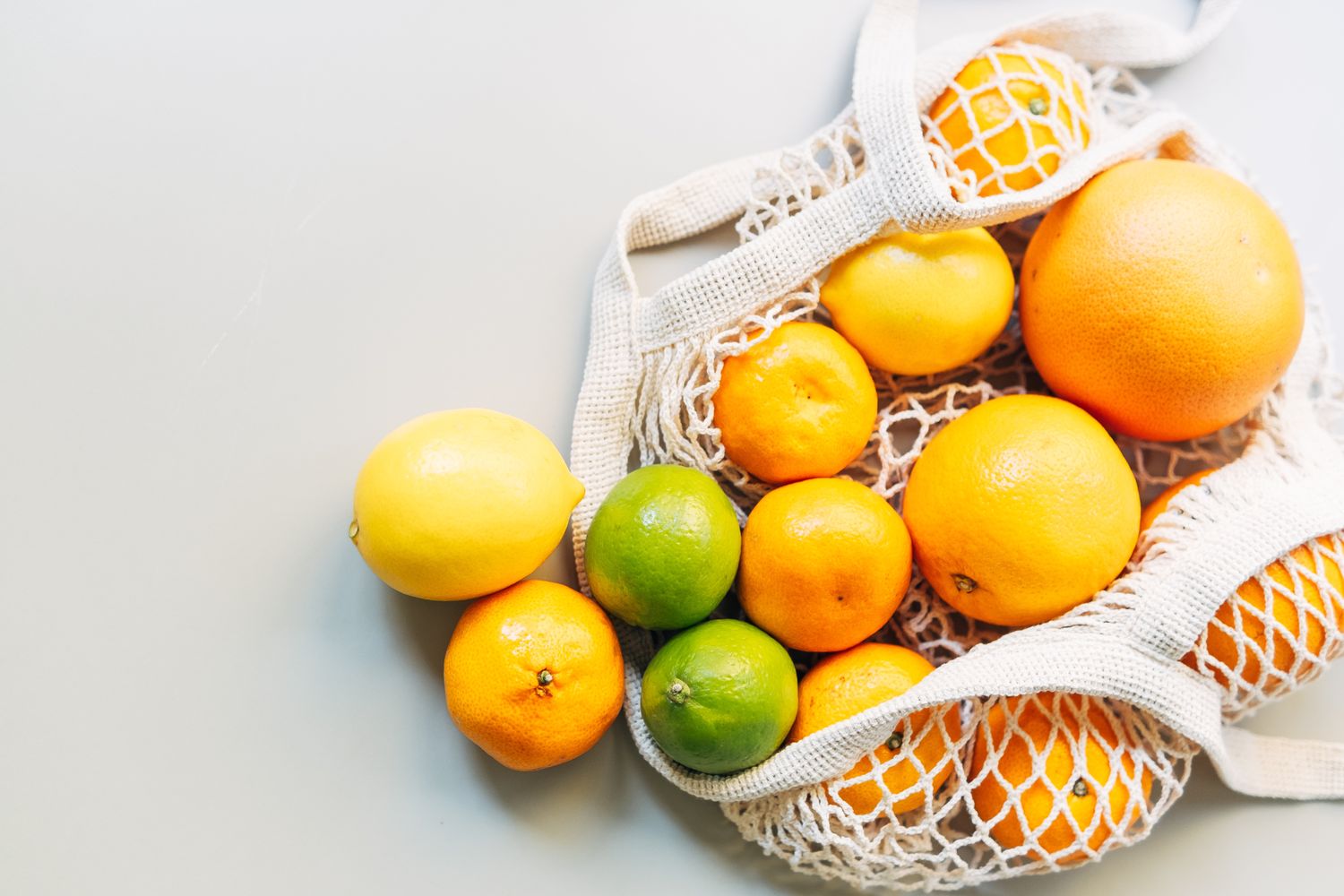
When we think about vitamin C, citrus fruits are usually the first thing that comes to mind. This is because they contain high levels of vitamin C and are much easier to enjoy on the go. Lemon, lime, and orange zest deliver a small burst of vitamin C—and a big punch of flavor.
“It’s really strong, so pro tip: small quantities go far,” Caroline Susie, RDN, LD, a spokesperson for the Academy of Nutrition and Dietetics told Verywell. A bit of zest over yogurt, roasted vegetables, grain bowls, or even pasta to add brightness and a totally new flavor profile to a familiar meal.
2. Alternate Citrus With Bell Peppers
Giulia Fiori Photography / Getty Images
Bell peppers, especially red ones, are surprisingly rich in vitamin C, offering even more per serving than many citrus fruits.
They’re also an excellent alternative if you’re unable to tolerate acidic foods due to acid reflux or other gastric conditions. Raw or lightly cooked, bell peppers add color and crunch to almost any meal, including omelettes, fajitas, rice bowls, salads, and snack plates.
3. Add a Slice of Lemon to Your Drink
SimpleImages / Getty Images
Adding a couple of lemon slices to your water is a healthy way to infuse it with vitamin C without relying on powders or supplements.
“Make sure to give it a squeeze, not just leaving it on the side of your drink,” said Susie. That way, you’ll ensure you actually get some vitamin C. You can also infuse the lemon water with blueberries, mint, or strawberries for a little variety in flavor.
4. Steep Rosehip Tea
Kseniya Ovchinnikova / Getty Images
Best known for supporting the immune system, Rosehip tea contains high levels of vitamin C, which helps the body produce collagen and maintain healthy skin.
They also contain natural plant compounds, such as flavonoids, that reduce inflammation and support smoother, more youthful-looking skin. Both the tea and cold-pressed oil have been used for centuries for treating gastric issues and infections.
5. Mix and Match Fresh Fruits
SimpleImages / Getty Images
A simple fruit salad of cantaloupe, oranges, and strawberries, or kiwi, topped with feta cheese or honey, can be a refreshing, vitamin-rich side dish or dessert. Many fruits, including berries, boast high amounts of vitamin C, making them perfect to eat by themselves or as a topping.
6. Branch Out to Dried Fruits
Douglas Sacha / Getty Images
Dry fruits, such as mandarin oranges, strawberries, mango, and kiwi can be an easy way to get your body some vitamin C, said Angel Planells MS, RDN, a spokesperson for the Academy of Nutrition and Dietetics.
Choose freeze-dried or dehydrated fruits over sun-dried ones. Vitamin C is sensitive to heat and can degrade, making freeze-drying the best choice for preserving nutrients.
7. Don’t Overlook Frozen Fruits and Veggies
Kinga Krzeminska / Getty Images
The less heat a vitamin C-rich food comes into contact with, the better. As such, fruit that’s been flash frozen, or picked at the height of perfection, retains a lot more of the nutrients, said Susie.
“People may complain about how fast berries go rotten, so looking at frozen berries as an option to add to your smoothies,” adds Planell.
8. Enjoy a Tropical Twist to your Salsa
ajaykampani / Getty Images
Tomatoes already provide vitamin C, but adding mango transforms traditional salsa into something more colorful and sweet. The best part is you’ll only need seven ingredients to make it: diced ripe mangoes, red bell pepper, tomatoes, and red onions, minced jalapeño and cilantro, and one freshly squeezed lime.
9. Try Loaded Baked Potatoes
bhofack2 / Getty Images
Potatoes, especially when baked, are a meaningful source of vitamin C.
“I love the concept of doing something like a baked potato bar. Everybody has a baked potato, and then they can kind of top as they see fit,” Susie said.
Toppings like roasted bell peppers, broccoli, and Brussels sprouts can add flavor and texture while also increasing your vitamin C intake.
Pairing any food high in vitamin C with iron-rich foods is also an excellent way to support the body’s iron absorption and overall health, especially in women.That makes beef and beans great toppings too.
10. Top Off With Fresh Parsley or Cilantro
Aleksandr Kuzmin / Getty Images
Parsley and cilantro both contain decent amounts of vitamin C per cup, said Susie, but it’s not often that people consume that high an amount per day.
Still, herbs add freshness, color, beauty, and nutrients, even in small quantities, such as a tablespoon. They can be sprinkled to taste over rice, eggs, roasted vegetables, or even soup, as Planells added.