Vitamin E is one of those nutrients that doesn’t get a lot of attention until something goes wrong, but it plays a steady, year-round role in keeping cattle healthy. It is a small inclusion in the ration that supports several big-ticket items: immunity, muscle integrity, calf health and resilience during stressful periods. While vitamin E is often discussed in relation to meat color, the health and production benefits matter just as much.
“When we talk about vitamin E nutrition specifically, it really is such an exciting nutrient because not only does it impact the animal from an immune response perspective, but we have the opportunity to make real incremental improvements on the productivity of that animal”, says Zeno Hubbert, Ruminant technical expert at dsm-firmenich.
Why Vitamin E Matters for Cattle Health
Vitamin E acts as a major antioxidant in the body. Its job is to protect cells from oxidative stress — something cattle deal with daily through normal metabolism, immune challenges and environmental stressors. When vitamin E levels are low, tissues are more vulnerable to damage and immune responses don’t fire as cleanly.
Severe deficiency is rare in feedlot cattle, but when it does occur, it can show up as white muscle disease, weak calves, or general muscle and nerve problems. But the real story isn’t about preventing dramatic deficiencies. It’s about making sure cattle have enough vitamin E to stay healthy during high-stress stages such as processing, shipping, early feedlot adaptation, late gestation and early calfhood.
Feedlot Cattle: Support During Stress & Recovery
In feedlots, vitamin E is well-known for how it affects meat quality, but its impact on health shouldn’t be overlooked.
“When we talk about feedlot cattle, we’re not aiming to just keep that animal out of a state of deficiency. For me, that’s almost a no-brainer. It’s non-negotiable,” Hubbert says. “We’re aiming for optimization of productivity.”
Research has shown vitamin E supplementation to beef steers before or after transit may not affect growth performance, but can lower the stress response of these animals. Further, vitamin E supplementation has been shown to increase antibody titers of newly received steers after vaccination for bovine viral diarrhea virus.
When vitamin E is supplemented for meat quality, the standard is to feed at increased levels for at least 100 days to see results in the muscle tissue. This is the time period required to equilibrate the liver and tissue soluble levels with the intake amount. There are very few studies on vitamin E spanning this duration with beef cattle in an effort to observe growth performance or immune response. This is an area requiring further attention.
Cow-Calf Operations: Where Vitamin E Really Shows Its Value
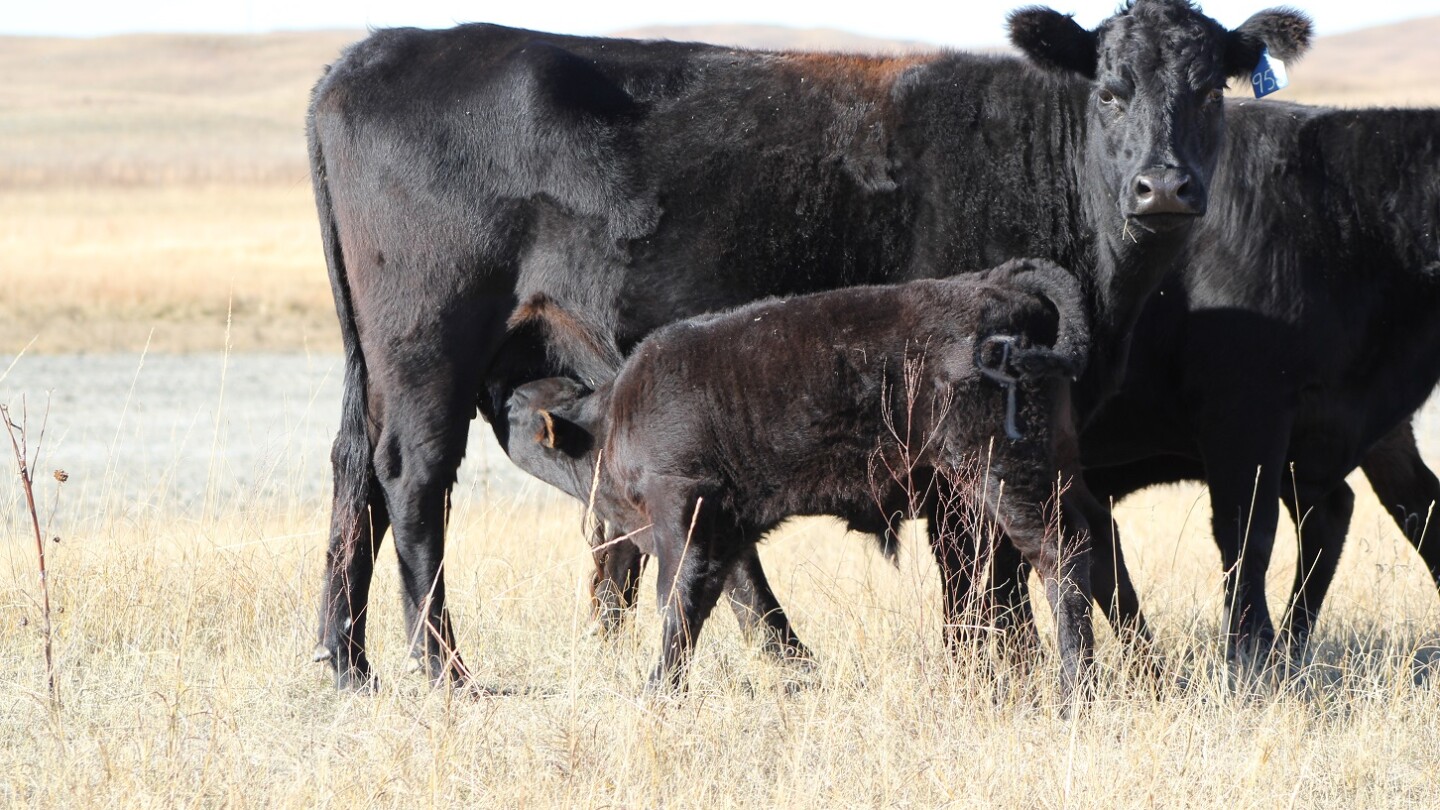
Vitamin E can pay off meaningfully in the cow-calf world. Late gestation is an especially important time because the cow’s vitamin E status directly influences the calf.
“If we look at the vitamin E level in milk, it’s only supplying about 16% of the requirement of that newborn calf,” Hubbert explains. “So we definitely have a requirement for vitamin E supplementation in that newborn calf. We can definitely affect the health of that calf by supplementation of the late gestation cow.”
Research has shown that vitamin E supplementation to late gestation beef cattle can benefit both the dam and the calf, especially with the added environmental stress of winter calving and the consumption of stored forages. In one study, winter born calves from vitamin E supplemented dams had higher weaning weights. Additionally, calves born to vitamin E supplemented heifers have been shown to have increased antibody titers at birth, pasture turn out, and weaning in response to routine vaccines.
Is Vitamin E Supplementation Right for Your Herd?
While vitamin E is essential for cattle, whether it is worth adding or increasing in the ration of a herd comes down to the cattle’s stress load, forage quality and production stage.
“We need to be strategic,” Hubbert says. “It’s very much dependent on the range conditions, whether we have drought conditions — how much access to forage those cows have. It’s a conversation to be had with the nutritionist and not just a blanket recommendation across the board.”
Cow-calf herds often see the biggest return, but feedlot cattle under heavy stress during receiving or diet changes may also benefit from increased vitamin E levels to support antioxidant defense or recovery. A quick review of the mineral program and forage conditions can reveal whether adjusting vitamin E could be beneficial.
“I think that vitamin nutrition is generally something that, due to the small level addition to the ration, goes by unchecked,” Hubbert says. “The impact that a vitamin deficiency can have on that animal in terms of productivity is significant. It’s such a small addition to a ration from a cost perspective, it’s almost as if it’s an investment in the health and productivity of that animal.”