#Vitamin C #Nutrition
Is Your Vitamin C Supplement Doing More Harm Than Good?
Vitamin C supplements get plenty of play for being a key to good health.
This is because Vitamin C reduces the sickies associated with the cold and flu.
While the body absolutely needs vitamin C, where it comes from matters.
Food vs. the lab?
It probably won’t surprise you to learn that food is the safest source of vitamin C.
What is surprising is who shouldn’t take high doses of synthetic vitamin C.
Five things Vitamin C does in the body
Whether from food or a supplement,
Have you ever wondered about all the hype around vitamin C –
Is it really as important as everyone says it is?
Well, it is. And here are a few reasons why:
1. Vitamin C is an Antioxidant.
2. This means that it protects the body against the noxious effects of stress.
3. Vitamin C helps out your immune system.
4. It’s a nutrient that protects your immune cells while they fight off infection,
making vitamin C pretty useful if you’re battling a cold or the flu.
5. Vitamin C helps your body make Collagen.
6. Collagen is the stuff of skin, joints, and connective tissue.
7. And while collagen is wonderful to take as a supplement,
you need a little vitamin C to make your own.
8. Vitamin C controls the production of cortisol.
9. Cortisol is a stress hormone that’s stored in the adrenals.
10. Vitamin C can minimize the release of cortisol
– which partially explains why high doses of vitamin C lowers blood pressure.
11. Vitamin C promotes the absorption of iron.
Specifically the kind of iron you find mostly in plants.
While its toxicity it low, taking excessive amounts of synthetic vitamin C
can stir up tummy troubles like diarrhea, nausea, and cramping.
Why you need Vitamin C every day?
Vitamin C is the kind of nutrient that you must get from food or a supplement.
This is because the human body doesn’t make it’s own vitamin C.
That nature would somehow forget to equip us with the ability to make vitamin C.
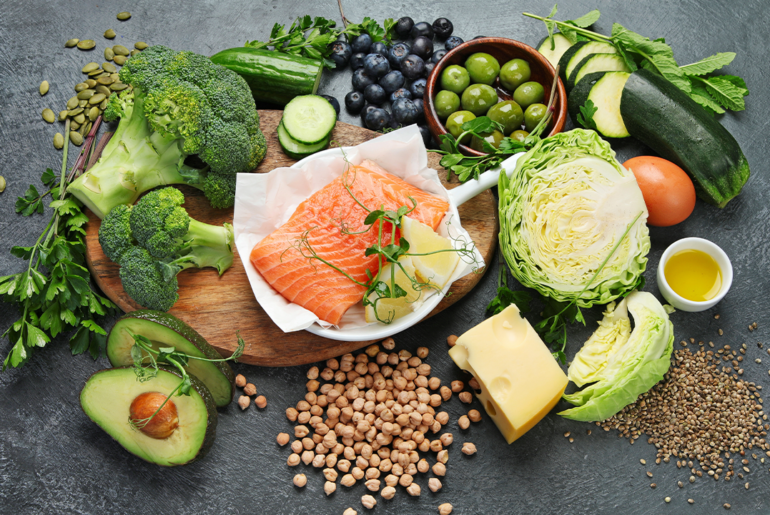
It’s abundant in plants and even some animal-sourced foods contain vitamin C.
Some microbes also make vitamin C.
But an overly processed diet that’s missing a rainbow or fruit and veggies
means you’re getting very little natural vitamin C.
Tropical fruits like Guava, Kiwi, Papaya, and Pineapple
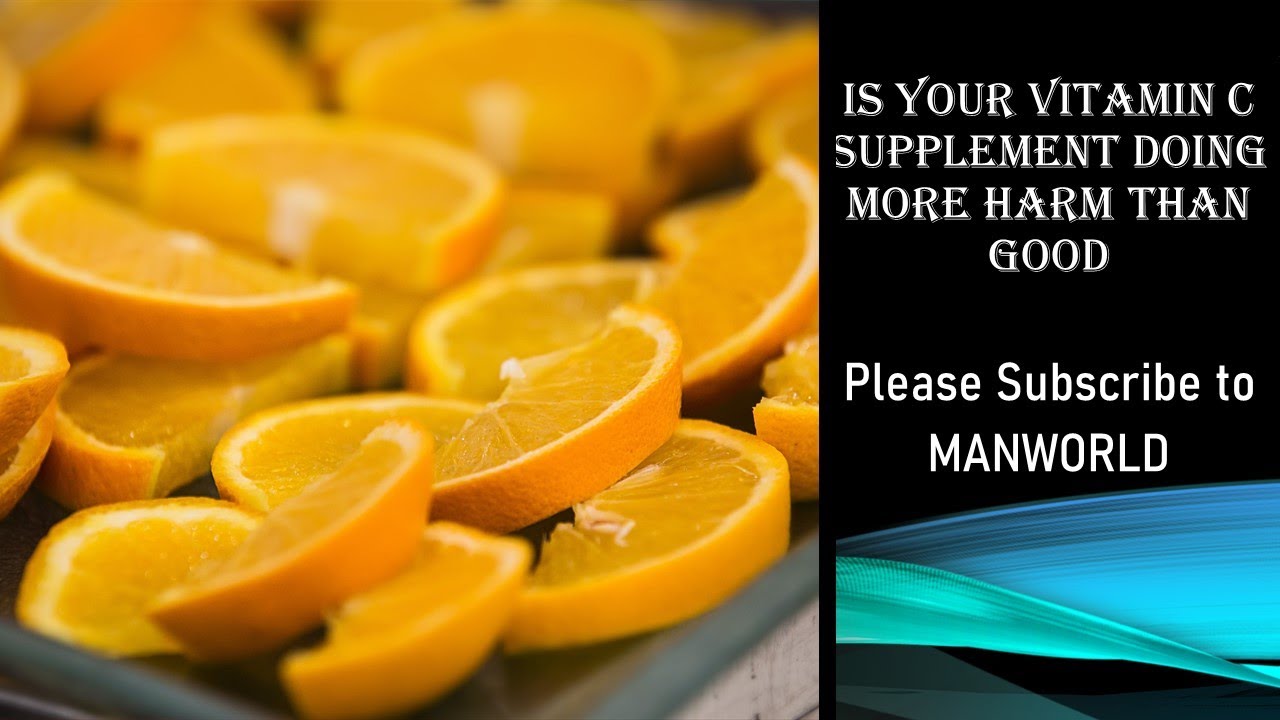
1. Citrus like lemon and orange
2. Broccoli
3. Persimmon
4. Kale
Liver is the best source of vitamin C.
Other animal sources of vitamin C include:
1. Fried liver
2. Roasted heart
3. Stewed lamb tongue
For men, the RDA (recommended daily allowance) of vitamin C is 90 mg.
Women should get at least 75 mg.
For reference, the plants foods mentioned above contain
between 200 and 40 mg of vitamin C for a 3.5-ounce serving.
And few ounces of Raw Oysters give you around 30 mg of vitamin C.
Disclaimer –
All the information provided by our Channel and associated videos are strictly for informational purposes only.
It is not intended as a substitute for advice from your health care provider or physician.
The information provided by our Channel and associated videos cannot be used to make a diagnosis or treat any health condition.
This Channel contains general information.
The Information is not an advice, and should not be treated as such.
The Information on this channel is provided “as is” without any representations or warranties, express or implied.
Thank you for watching.
—————————————————————————————————————
This presentation contains images that were used under a Creative Commons License. Click here to see the full list of images and attributions:
————————————————————————————————————
Our Other Videos Links as Below,
1)
1) COVID 19 – Natural Ways To Strengthen Immune System –
2) Healthy Sleeping Tips –
3) Food As Medicine How to Add healing power To Everyday Meals –