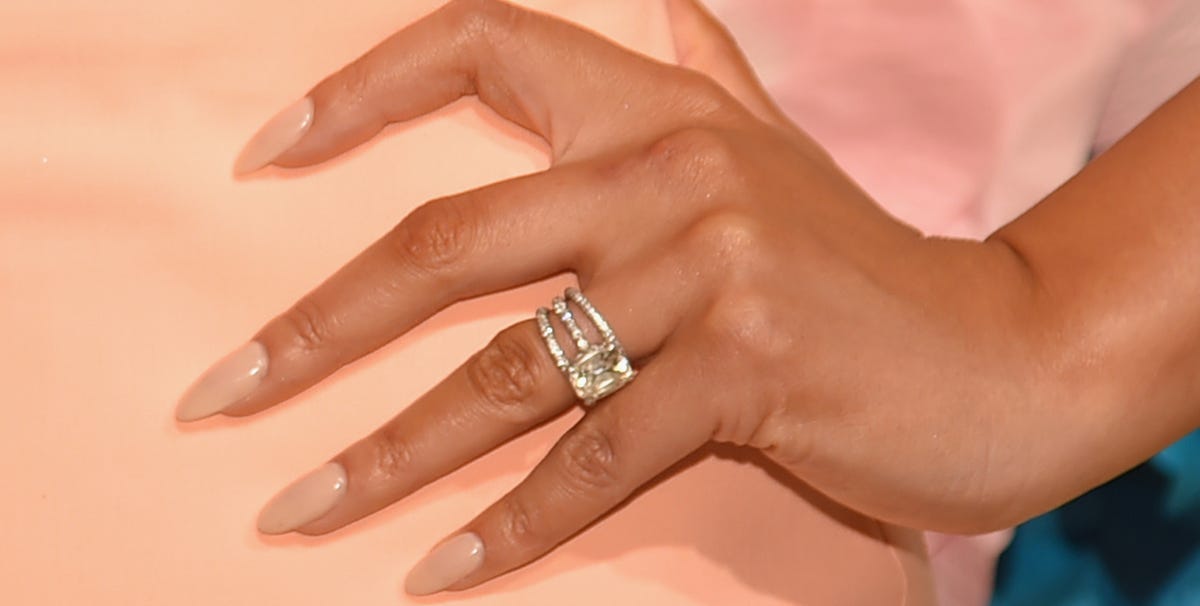
Choosing a skin-tone-flattering neutral polish that complements your skin, rather than washing it out or leaving it looking pale or ghostly, isn’t as complicated as it may seem. Manicurist Mazz Hanna
says there are no hard-and-fast rules when choosing the best neutral nail color. “I think the best way to discover what works is by experimenting with a few different shades,” she says. “Sheer colors are always more forgiving than opaque ones.”
If you’d rather not play a guessing game and want to streamline the neutral polish editing process, start by assessing your skin tone and its undertones. Lost when it comes to deciphering your skin’s true undertones? Here’s how to tell in a split second. Look at the veins on your wrist. If they appear blue or purple, your skin has cool undertones. Veins with a bit of green indicate warm undertones, and if they fall somewhere between the two, you likely have neutral undertones and can wear just about anything.
One thing you’ll want to avoid at all costs: matching your nail polish exactly to your skin tone, which Hanna says can create an off-putting, washed-out, ashy look. “When the polish and skin tone are too close and matchy-matchy, it looks noticeable and can cause ‘cadaver hands,’ which is the opposite of what you want to do when wearing a neutral or nude nail,” she explains. Instead, go at least two shades lighter or darker than your natural skin color so the polish creates ample contrast. “This way, the neutral polish works with the skin’s undertones and will look natural and seamless rather than mismatched.”
The lighter the skin tone, the softer the neutral shade; the deeper the skin tone, the warmer the color. “People with fair skin have blue and pink undertones,” says nail artist Jin Soon Choi. Look for neutral shades with pink hues to enhance rosy undertones, or choose something that’s a milky peach color to neutralize redness around the fingers. “Cool pink tones can also add a bit more color to the complexion,” adds Hanna.
For medium skin, Hanna recommends sticking with warm creamy beiges and earthy tones—but nothing taupe-colored. Peach shades are another option since they skew warm because they’re a combination of pink and white tones, Choi says. “Warm polish undertones and medium skin tones complement each other.” If you’re cool-toned, choose a soft gray or a nude polish with mauve undertones.
Sheer neutral shades with a hint of warmth work beautifully for olive skin tones. Just steer clear of anything too pale, as it can clash with the yellow and green undertones in your skin. If you have cool or darker olive skin, try for a muted dusty pink or even lavender.
“Caramels, camels, and chocolate browns look beautiful on darker skin,” says Hanna. But if you prefer something with a little more warmth, stick with creamy nudes and almond colors or rich browns with red and orange undertones that complement the warm tones in the skin. For darker skin, Choi says to avoid grayish beiges, as they tend to wash out deeper skin tones