[Source]
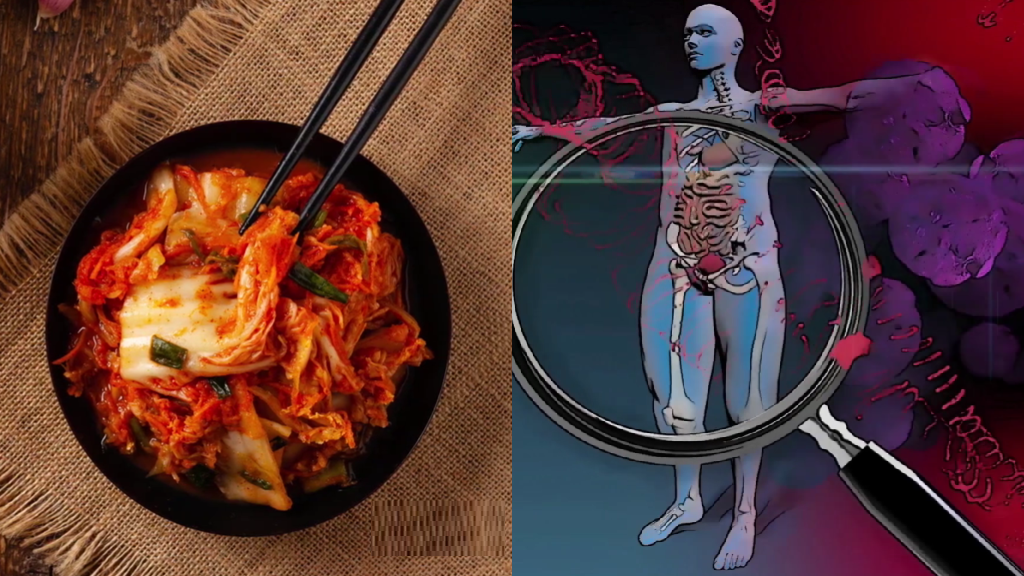
A new study in South Korea found that eating kimchi powder every day can make key immune cells more alert while helping the body maintain steady immune control. Researchers say these changes suggest that kimchi may support the immune system’s ability to recognize potential threats. The findings point to early signs of more efficient and balanced immune activity.
Immune cells show stronger recognition activity
The study, published in npj Science of Food, analyzed how kimchi powder affected immune function over 12 weeks. By examining more than 100,000 individual immune cells, the team documented increased activity in monocytes and dendritic cells, which help detect germs and guide other immune responses. They also found stronger communication signals within these cells and higher activity in genes tied to taking in and processing foreign particles.
Researchers observed shifts in CD4 T cells toward states linked with both active defense and immune regulation. These changes were not present in CD8 T cells, B cells or natural killer cells. The team said this pattern indicates improved immune readiness without evidence of excessive inflammation.
Trending on NextShark: Nathan Chen to enter Figure Skating Hall of Fame after record-setting career
The nature of the response
Lead author Woo Jae Lee said: “Our research has proven for the first time in the world that kimchi has two different simultaneous effects: activating defense cells and suppressing excessive response.” The team reported that this dual pattern emerged from increased activation markers in antigen-presenting cells paired with a shift toward regulatory CD4 T cell states. According to the study, these parallel changes point to improved immune recognition without signs of heightened inflammation.
Context and limitations of the findings
Trending on NextShark: Kimchi can boost immune system, new study finds
The researchers noted that the trial included only 13 participants and did not evaluate clinical outcomes such as infection resistance or inflammatory conditions. They cautioned that differences in fermentation methods, ingredient composition and individual health factors could affect results in larger or longer studies. Additional research will be needed to determine the duration of these immune effects and whether they translate into measurable health outcomes.
This story is part of The Rebel Yellow Newsletter — a bold weekly newsletter from the creators of NextShark, reclaiming our stories and celebrating Asian American voices.
Subscribe free to join the movement. If you love what we’re building, consider becoming a paid member — your support helps us grow our team, investigate impactful stories, and uplift our community.
Trending on NextShark: Amazon workers say AI push threatens democracy and the world
Download the NextShark App:
Want to keep up to date on Asian American News? Download the NextShark App today!