The world of wellness continues to evolve at rapid speed, driven by advances in personalized health, major shifts in how and where we work, and a renewed desire for deep rest, nourishment and meaningful human connection.
Heading into 2026, consumers are prioritizing longevity, metabolic health, mental fitness, nature-based healing and precision wellness more than ever before. Whether you’re looking to optimize your daily routine, find new approaches to stress relief, or upgrade your nutrition and fitness plans, these 2026 wellness trends shine a light on where health is heading.
Below are the top predictions of wellness trends 2026 has in store, plus how each trend supports whole-body health in practical, accessible ways.
Wellness trends 2026 predictions
As the global wellness space continues its rapid evolution, 2026 is shaping up to be a turning point, a year where wellness becomes smarter, more personalized and more integrated into everyday life. Building on momentum from recent years, the trends for 2026 reflect a deeper understanding of what true health means: not quick fixes or trendy fads, but sustainable habits and holistic well-being grounded in science, self-awareness and real-world living.
Here are some of the key predicted wellness trends 2026 has to offer:
Ad

Wellness becomes hyper-personal and data-driven: Think biomarker-based nutrition and AI wellness coaches.
Longevity and metabolic health shift from niche biohacking to mainstream lifestyle.
Mental and emotional fitness, not just mental health, becomes a daily practice.
Work and home life evolve: Workplace wellness expands, and home spaces become recovery sanctuaries.
Nature-based healing, environmental wellness and community connection rise as core health pillars.
The 2026 wellness trends reflect deeper societal shifts:
People want wellness that fits their lives, not lifestyles built around extreme protocols or fads.
There’s a growing recognition that health is multidimensional: Nutrition, movement, mental resilience, environment, rest, social connection and purpose all matter.
Technology + data + self-awareness = personalized wellness. As predictive analytics, biomarker testing and biofeedback tools become mainstream, individuals can build realistic, effective, customized wellness plans.
The result: 2026 is not about chasing the next big fad. It’s about building sustainable, integrated, science-informed habits that support long-term vitality, resilience and balanced living.
Here is more on the some of the top wellness trends 2026 is expected to bring:
1. Longevity lifestyles go mainstream
Longevity has moved far beyond just supplements and biohacking. In 2026, it’s set to become a comprehensive lifestyle, blending metabolic optimization, functional nutrition, strength training, restorative sleep and community connection.
People are shifting toward routines designed to improve healthspan, not just life span, focusing on mitochondrial support, inflammation reduction, stress resilience and hormone balance through simple daily habits. Expect rising interest in:
Why it matters: Research continues to show that metabolic flexibility, muscle mass and inflammation levels are major predictors of healthy aging. The tools supporting these outcomes are becoming more accessible, personalized and sustainable.
2. Precision wellness and hyper-personalization
2026 marks a turning point for personalized wellness, thanks to AI-driven analytics, at-home biomarker tests, and devices that track more than just steps or sleep.
Consumers now have access to:
What used to require multiple specialists can now be distilled into tailored insights at home.
Why it matters: Personalization increases compliance and results. People get plans matched to their stress levels, circadian rhythm patterns, gut function, environment and goals, instead of generic one-size-fits-all recommendations.
3. Nervous system regulation becomes the new stress management
Instead of simply “reducing stress,” 2026 will bring a focus on regulating the nervous system. This shift emphasizes practices that support vagal tone, and emotional resilience and lower cortisol.
Trending techniques include:
Somatic movement
Breathwork sequences beyond basics (coherent breathing, double exhale methods, 4-7-8 breathing)
Cold therapy specifically timed to circadian rhythms
Heat therapy paired with mindfulness
Trauma-informed practices in wellness spaces
Why it matters: Chronic sympathetic activation contributes to anxiety, burnout, digestive issues and hormonal imbalances. Regulating the nervous system supports everything from sleep to immunity to focus.
4. Functional fitness meets everyday movement
Gyms in 2026 are set to incorporate lifelong movement training, focusing on strength, balance, joint stability and mobility for real-life function.
Key shifts include:
Ad
There’s also a rise in “micro-movement snacks,” short bursts of movement scattered throughout the workday to counter long hours of sitting (including exercises to do at your desk).
Why it matters: Research continues to show strength and mobility are among the strongest predictors of long-term independence and vitality.
5. Bioharmony nutrition
Nutrition in 2026 will get a major reset. Instead of hyper-restriction or extreme trends, consumers are gravitating toward bioharmony nutrition, aka eating in alignment with circadian rhythms, metabolic needs and digestive comfort.
Expect continued growth in:
Gut-friendly recipes, organ-supportive foods and phytonutrient-dense meals are becoming the foundation of daily nutrition habits.
Why it matters: People want sustainable energy, stable moods and better digestion, which are outcomes strongly tied to nutrient density and metabolic balance.
6. Wellness travel becomes regenerative and localized
Travelers aren’t just seeking spa experiences anymore. They’re looking for regenerative, immersive, slow-travel wellness experiences.
In 2026, top themes include:
Forest immersion retreats
Mineral hot spring destinations
Blue Zone-inspired travel programs
Culinary wellness trips
“Digital-disconnect” travel packages
Trips centered around deep rest, functional fitness or gut-friendly cuisine
Local micro-retreats are also rising. These are shorter, more accessible breaks that emphasize sleep, hydration, sunlight, movement and nervous system reset.
Why it matters: Post-pandemic lifestyles changed expectations. People crave restoration, connection with nature, and meaningful experiences that nourish mental and emotional well-being.
7. Workplace wellness evolves beyond perks
Corporate wellness is becoming more holistic and outcomes-driven. Companies are integrating complete well-being ecosystems rather than isolated programs.
Trending workplace wellness strategies include:
Stress recovery rooms
Stipends for fitness, nutrition or mindfulness
Hybrid-week rhythm planning
Sleep-friendly scheduling
Mental health skill-building (not just awareness)
Movement breaks built into the workday
Ergonomic and circadian-friendly office design
Why it matters: Employee health is directly tied to productivity, creativity, retention and resilience. Employers are investing in long-term well-being over short-term perks.
8. Emotional fitness and cognitive recovery
2026 will introduce a new category of health: emotional fitness, emphasizing both cognitive performance and emotional resilience.
Growth areas include:
Mental fitness apps focused on brain training
Compassion and resilience coaching
Breath-led cognitive reset techniques
Social connection challenges
Journaling protocols designed to improve emotional regulation
Why it matters: Emotional dysregulation is now recognized as a root contributor to anxiety, burnout, conflict, sleep disruption and even reduced immune function.
9. Nature-based healing and Earth-centric wellness
More people are returning to Earth-rooted wellness practices to regulate mood, reduce inflammation and restore circadian rhythms.
In 2026 this includes:
Grounding and barefoot training
Sunlight timing for circadian reset
Forest bathing
Herbalism
Outdoor temperature therapies
Nature immersion workouts
Why it matters: Natural environments provide measurable physiological benefits, from lower stress hormones to improved heart rate variability.
10. Home wellness tech upgrades
Smart home wellness tools are blending convenience and personalization, creating environments that support rest, recovery and performance.
Popular trends include:
Air purification blended with essential oil diffusion
Smart circadian lighting
Sleep-optimized bedroom tech
At-home red light panels
AI-powered meal planning
Smart hydration and electrolyte tracking devices
Why it matters: People want wellness integrated into their daily environments, not limited to gyms or clinics.
11. Rise of restorative rituals
Restorative wellness is leveling up, with more emphasis on daily rituals that support gentle healing, such as:
Magnesium bathing
Herbal nighttime infusions
4-7-8 breathing for sleep
Lymphatic massage techniques
Slow-flow yoga
Evening nervous system downregulation
Why it matters: Restoration is no longer optional. It’s foundational for metabolic health, emotional balance and healthy aging.
12. Community wellness and connection-driven health
The research is clear: Community is a major predictor of well-being. In 2026, group-based wellness experiences will rise across all categories.
Examples include:
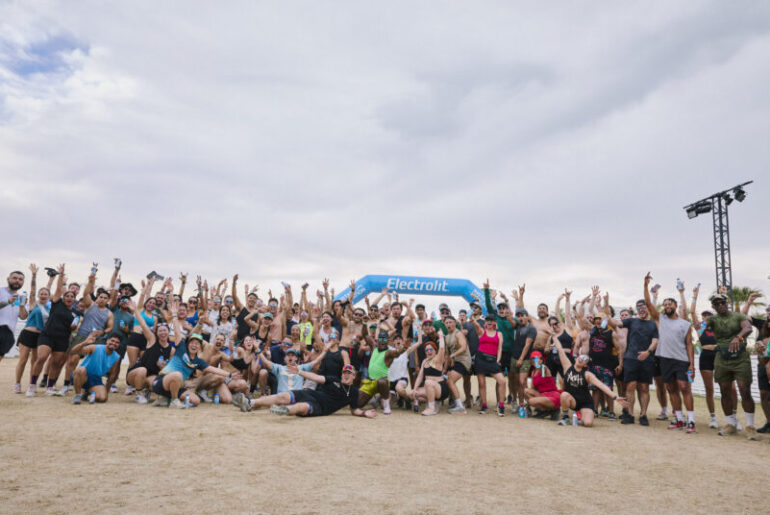
Group sauna and cold plunge sessions
Community walking clubs
Potluck-style healthy dinners
Group meditation
Fitness collectives
Digital communities with real-life meetups
Why it matters: Social wellness has been shown to help reduce inflammation, increase longevity and significantly improve mental health.
Nutrition and food wellness trends
1. Functional, bio-aligned nutrition
Diets shift toward bio-harmony, following eating patterns aligned with individual metabolic needs, circadian rhythms, gut health and inflammation levels. Expect growth in seasonal eating, stable blood sugar meals, fermented foods, whole food proteins and anti-inflammatory herbs.
Functional nutrition, which features foods and beverages designed to support immunity, gut health, energy, muscle and longevity, becomes major. This aligns with predictions from major industry surveys showing high consumer demand in functional nutrition.
Personalized eating plans become more common. Thanks to easier access to at-home gut microbiome testing, metabolic tests and data-driven nutrition tracking, one-size-fits-all diets are becoming obsolete.
2. Protein, gut health and nutrient density emphasis
More people will prioritize adequate protein intake (from both whole food and plant-based sources), along with nutrient-dense, gut-friendly meals. As functional nutrition expands, expect a surge in fermented foods, prebiotics/postbiotics, easily digestible high-quality proteins and antioxidants as foundational diet staples.
3. Sustainability and climate-aware food choices
Consumers increasingly view their food choices as part of a broader commitment to planetary health. That means farm-to-table, regenerative farms, seasonal/local produce, reduced food waste and mindful sourcing, all of which feed both personal health and environmental well-being.
This trend builds on momentum documented by 2026 wellness outlooks and carrying over from 2025 wellness trends.
Fitness, movement and longevity wellness trends
1. Longevity-focused fitness and functional movement
In 2026, fitness is shifting beyond aesthetics and short-term goals: It’s about lifelong strength, mobility, metabolic health and vitality.
Expect an increase in:
Zone 2 cardio (for fat burning and cardiovascular health)
Strength and resistance training (for muscle maintenance, bone density and metabolic health)
Functional training: mobility work, balance drills, loaded carries, kettlebells and other exercises for real-life strength and longevity
This echoes broader industry forecasts that healthy aging and “functional fitness for life” are among the fastest-growing categories in wellness.
2. Micro-movement, “exercise snacking” and lifestyle movement
As many people continue desk work or sedentary lifestyles, 2026 sees a rise in “movement snacks,” which are short bursts of movement, stretching or mobility scattered throughout the day. This counters prolonged sitting, supports joint health and keeps metabolism active, a more sustainable alternative to long, infrequent workouts.
3. Data-driven and bio-responsive fitness plans
Wearables are getting more advanced, combining biometric data (sleep, heart rate variability, recovery readiness) with AI-generated fitness plans, making workouts more tailored, responsive and efficient. This mirrors 2025’s shift toward AI and wellness and shows no signs of slowing.
Mental, emotional and nervous system wellness trends
1. Emotional fitness and nervous system regulation
In 2026, emotional wellness isn’t just reactive (stress relief or therapy); it’s proactive, preventive and treated like physical fitness.
Expect growth in:
Somatic therapies (body-based approaches to emotional healing)
Breathwork (beyond basics, such as coherent breathing, timed exhalation, cold/heat and breath contrast)
Mind-body practices that surround nervous system regulation, resilience and emotional balance
This aligns with experts predicting a rise in “emotional fitness” as a core wellness pillar.
2. Mental health tools meet daily life
Just as 2025 saw AI mental health platforms gain traction, 2026 brings more accessible mental wellness tools, from mood-tracking journals to personalized mental fitness apps to workplace emotional safety programs.
According to forecasts, support is expanding for broader mental/neurodivergent needs at work, not just stress or burnout.
3. Rest, sleep and slow living rituals are non-negotiable
Wellness in 2026 embraces rest and recovery as foundational. Expect skyrocketing interest in:
Sleep sanctuaries (sleep-optimized routines, circadian lighting, sleep hygiene)
Slow evenings (screen-free routines, evening rituals, magnesium baths, herbal infusions)
Gentle movement: slow yoga, restorative stretching, breath-centered cooldowns
Rest is no longer optional; it’s core to metabolic health, emotional balance and resilience.
Lifestyle, workplace and environmental wellness trends
1. Workplace wellness gets real and holistic
As remote and hybrid work remain common, companies are evolving beyond token wellness perks. In 2026:
Employers are set to offer holistic well-being ecosystems, including mental health support, flexible scheduling, movement breaks, stress reduction rooms, sleep-friendly policies and inclusive support for neurodivergent employees.
Wellness is reframed as long-term resilience and human performance, enabling employees to thrive, not just survive.
2. Home as a wellness sanctuary
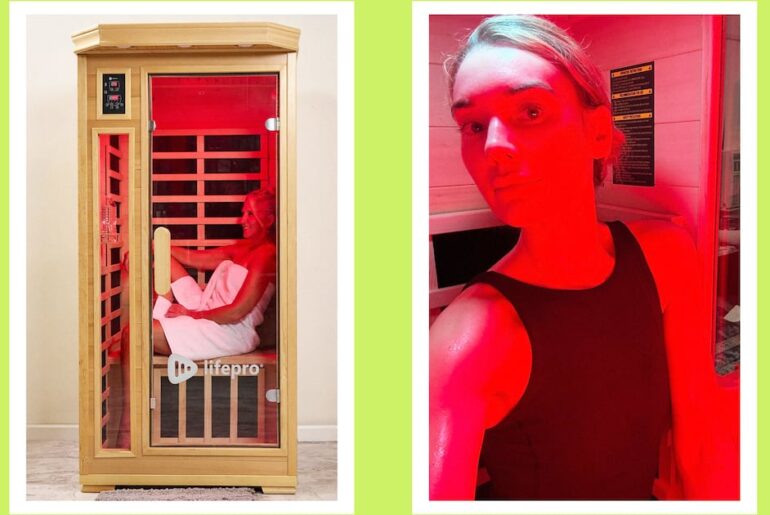
People are bringing wellness into their living spaces: smart circadian lighting, air purification and clean-air practices, home sauna or infrared therapy, sleep-optimized bedrooms, hydration and recovery tools, etc.
The home isn’t just where you live; it’s where you heal, recover and restore energy.
3. Community, social wellness and collective health
Wellness in 2026 isn’t just personal. It’s social.
Collective practices, such as group breathwork, walking clubs, community cooking, shared somatic classes and digital-plus-in-person wellness communities are increasing. This helps build accountability, connection and social resilience, all vital for long-term health.
This community-first approach echoes predictions from 2026 wellness trend reports.
Travel, retreats and nature-based rejuvenation wellness trends
1. Regenerative and immersive wellness travel
Wellness travel in 2026 is evolving: It’s less about luxury spas or relaxation and more about meaningful, regenerative experiences.
Think: forest immersion, star-bathing retreats, desert wellness escapes, nature-rooted rituals, mindful slow travel, and tailored experiences for rest, renewal and inner balance.
2. Contrast therapies and sensory reset retreats
Thermal and contrast therapies, such as cold plunges, saunas and infrared baths, combined with breathwork or meditation are trending. Retreats and spa resorts are designing programs around nervous system reset, sensory detox and holistic restoration.
This shift aligns with broader wellness predictions blending biohacking with mind-body healing.
How to embrace the 2026 wellness wave
The 2026 wellness trends signal that we’re entering a new era: one where wellness is intelligent, sustainable and integrated into everyday living. It’s less about perfection and extremes and more about balance, personalization, restoration and connection.
Whether you’re rethinking your nutrition, movement, rest, mental wellness or lifestyle environment, the trends for 2026 offer a roadmap to build a healthier, more resilient and more vibrant life. Here are some steps for how to embrace them:
Re-evaluate your eating habits: Start with one change, such as consuming more seasonal produce, fermented foods or stable blood-sugar meals.
Incorporate movement snacks: Stand up, stretch, walk or do a mobility drill every hour if you sit a lot.
Prioritize sleep and rest: Treat sleep like an essential daily ritual, not a luxury.
Explore emotional fitness: Try breathwork, journaling or somatic practices, even for just five to 10 minutes a day.
Lean in to community: Join a walking group, cooking circle or wellness class to integrate social health.
Use data mindfully: If you try wearables or biomarker tests, treat results as guidance, not dogma.
Conclusion
The 2026 wellness trends reflect a new era of health, one centered on personalization, restoration, emotional resilience, metabolic strength and deeper connection with nature and community.
Wellness today is less about extremes and more about sustainability: simple habits that nourish the body, calm the mind, sharpen cognitive function and support long-term vitality.
Whether you’re embracing functional fitness, optimizing your nutrition, prioritizing nervous system regulation or exploring nature-based healing, these trends offer a roadmap for thriving in 2026 and beyond.