Key Takeaways
Oatmeal with peanut butter typically causes a slower rise in blood sugar.The fiber in oats and the fat and protein in peanut butter work together to slow digestion and glucose absorption.Choosing less-processed oats and natural peanut butter without added sugar offers the best blood sugar support.
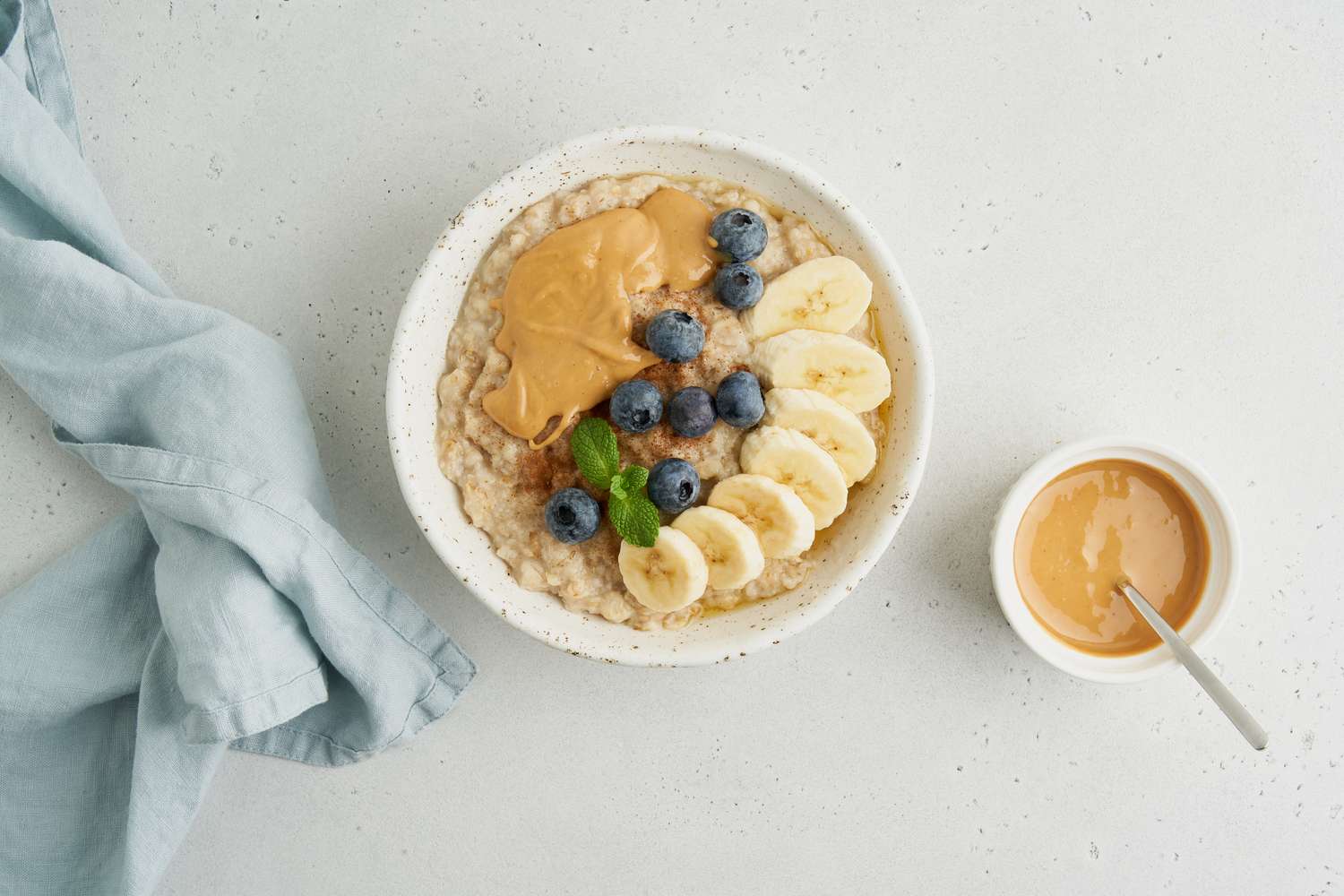
For most people, oatmeal paired with peanut butter results in a moderate rise in blood sugar rather than a sharp spike. To understand why, we asked two registered dietitians to break down exactly what happens in your body after you eat this classic breakfast.
1. Your Blood Sugar Rises Slightly
Any meal with carbohydrates raises blood sugar to some degree, and oatmeal is no exception, said Avery Zenker, MAN, RD, a registered dietitian at MyCrohnsandColitisTeam.
However, because oatmeal is high in fiber, it doesn’t spike blood sugar as much as sugary or refined carbohydrates, such as white bread or packaged baked goods.
Adding peanut butter tends to further blunt that rise. “Peanut butter contains fats, protein, and fiber that help slow the absorption of sugar into the blood,” explained Zenker.
Not all oats affect blood sugar equally, though. Steel-cut oats have the lowest impact on blood sugar, followed by rolled oats, then quick oats, Zenker said.
Body chemistry also plays a role. People with insulin resistance, such as people with type 2 diabetes or metabolic syndrome, may experience higher blood sugar spikes compared to others.
2. Your Digestion Can Improve
Oatmeal is rich in fiber, which supports healthy digestion, according to Alex Larson, RDN, a registered dietitian nutritionist. When combined with peanut butter, the fiber, fat, and protein work together to slow digestion, helping you feel full longer.
Oatmeal also helps promote healthy bowel movements and can reduce bloating, constipation, and diarrhea.
The fiber and phytonutrients in oatmeal and peanut butter support gut health by fostering beneficial bacteria, such as Bifidobacterium and Lactobacilli, while increasing short-chain fatty acid production, said Zenker.
Altogether, this supports a healthy gut microbiome, which “is linked to improved wellbeing, including better metabolic, immune, cognitive, and hormonal health,” she said.
3. You May Feel More Energized
Because oatmeal with peanut butter includes three key macronutrients, it tends to provide steadier, longer-lasting energy.
“By having a protein, carbohydrate, and healthy fat in a meal, you will feel satisfied and fueled longer in the mornings,” said Larson. This satiety effect can also help support a more stable mood throughout the morning.
4. Your Cholesterol Levels May Improve
Oatmeal contains beta-glucans, a type of soluble fiber that grabs onto cholesterol and carries it out of your body. Over time, this can help lower LDL (“bad”) cholesterol and support heart health.
In fact, research has shown that eating oats can lead to improved cholesterol levels. This is especially true when it replaces more refined, lower-fiber breakfast options.
Nutrition Facts
This dynamic duo delivers a balanced meal full of carbohydrates for energy, protein for satiety, healthy fats to slow digestion, and fiber to support blood sugar control.
Here’s a closer look at what each ingredient contributes in terms of nutrition.
One cup of steel-cut oats contains:
Calories: 381Protein: 12.5 grams (g)Fat: 2.3 gCarbs: 27.9 g
Two tablespoons of peanut butter include:
Calories: 191Protein: 7 gFat: 16.4 gCarbs: 7 g
Tips for Keeping This Meal Blood-Sugar Friendly
According to both experts, a few small tweaks can help you get the most blood-sugar benefits from oatmeal with peanut butter:
Choose your oats wisely: Opt for steel-cut or old-fashioned rolled oats instead of instant-flavored packets.
Pick natural peanut butter: Look for labels listing only peanuts and salt. Avoid added sugars.
Boost protein: Add Greek yogurt for extra protein support to further balance blood sugar.
Add fiber: Topping oatmeal with berries, chia seeds, or flaxseed can further slow digestion.
Mind portions: Large servings can raise blood sugar more significantly, especially for people with insulin resistance.
Verywell Health uses only high-quality sources, including peer-reviewed studies, to support the facts within our articles. Read our editorial process to learn more about how we fact-check and keep our content accurate, reliable, and trustworthy.
Mayo Clinic. Dietary Fiber: Essential for a healthy diet. Updated November 7, 2025.
Grundy MM, Fardet A, Tosh SM, Rich GT, Wilde PJ. Processing of oat: the impact on oat’s cholesterol lowering effect. Food Funct. 2018;9(3):1328-1343. doi:10.1039/c7fo02006f
U.S. Department of Agriculture. Oats, whole grain, steel cut. Updated October 28, 2022.
U.S. Department of Agriculture. Peanut butter, smooth style, without salt. Updated April 1, 2019.

Kathleen Ferraro is a writer and content strategist with a master’s degree in journalism and nearly a decade of experience in health, wellness, and science storytelling. She has served as a health editor at LIVESTRONG.com, contributed to publications like Everyday Health, Well+Good, and Outside, and developed copy and content strategy for brands like Stride Health, Peloton, Exos and more.
Thanks for your feedback!
What is your feedback?
Helpful
Report an Error
Other