
“Vitamins” exude healthy vibes. You may have taken one (in Flintstone gummy form) as a child. As an adult, you may constantly see vitamins on ingredient labels and marketing copy for skincare products. Social media influencers also hail vitamins as the “essential one” missing from your skincare routine.
Recently, vitamin E oil has achieved “must-have” status, but it’s nothing new.
“Vitamin E has long been a favorite in the skincare world, and for good reason,” said Kristine Evans, a medical esthetician at Seaside Skincare. “Used consistently — yes, even daily — it can deliver a handful of benefits that go beyond the surface.”
However, vitamin E isn’t for everyone, especially in oil form. Evans and a dermatologist shared the pros, cons, and considerations of adding vitamin E oil to your skincare routine.
What happens if I use vitamin E oil on my face every day?
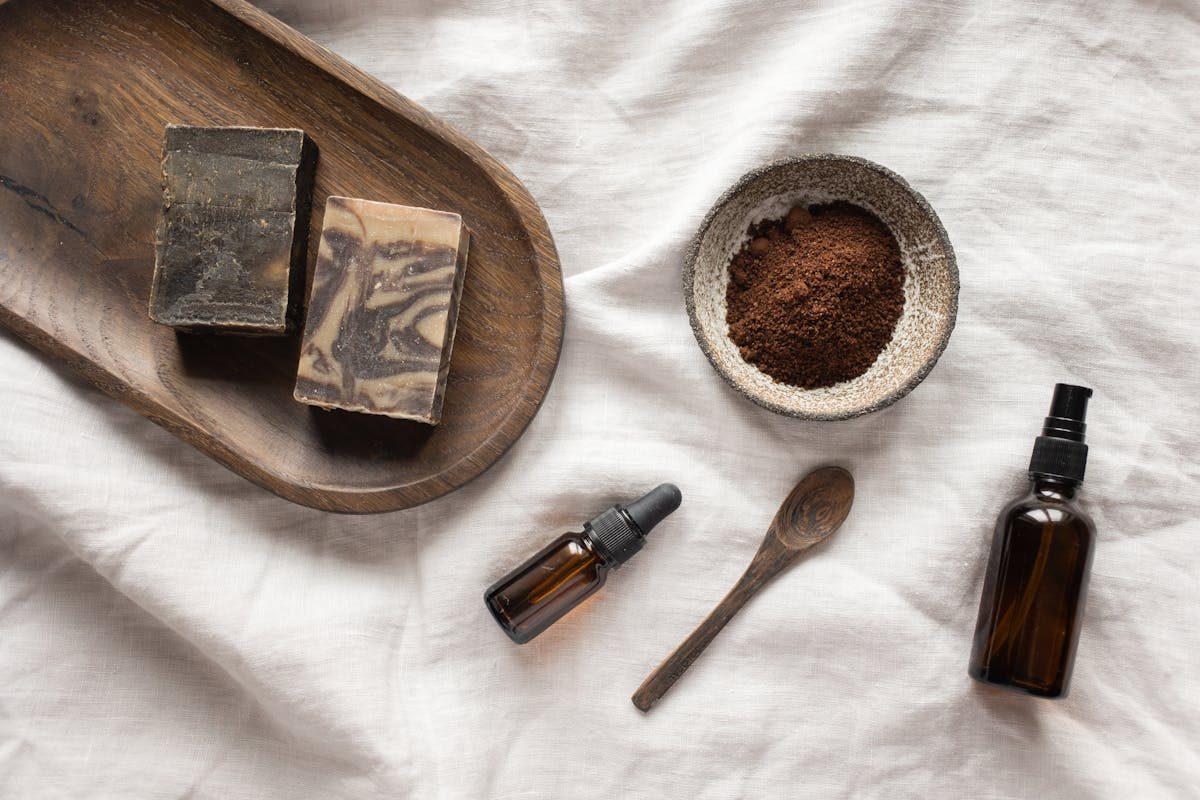
A small dollop of vitamin E oil is loaded with essential properties that can boost your skin health.
“First, it helps hydrate the skin, leading to a quick improvement in surface texture, a smoother appearance, and a plumper look,” Dr. Viktoryia Kazlouskaya, MD, Ph.D., a dermatologist. “It also acts as an antioxidant, which can help reduce inflammation and redness. Finally, it provides some protection against UV damage and works even better when combined with sunscreen.”
Evans dug deeper into all the good stuff that happens to the skin when you use vitamin E oil, plus a few cons.
You get a hydration boost
Since vitamin E oil acts as a natural moisturizer, Evans says oil with it is beneficial on days when your skin feels tight, dry, or rough.
“It works by sealing in moisture and strengthening your skin’s natural barrier,” Evans said. “Think of it as reinforcing the protective layer that keeps hydration in and irritants out. For men who shave regularly or spend time in the sun or surf, this barrier support is key.”
When you use it daily, vitamin E provides proactive skincare. Evan said your skin will start to feel consistently smoother, softer, and less reactive.
You’ll get antioxidant protection
Topical antioxidants can also do your largest organ (the skin) serious good.
“Vitamin E is a powerful antioxidant, which means it helps neutralize free radicals, unstable molecules that can damage your skin and speed up the aging process,” Evans said. “These come from everyday things like UV rays, air pollution, and even stress. By using vitamin E consistently, you’re giving your skin some solid defense against environmental damage.”
As a result, Evans said you may notice fewer fine lines, less dullness, a more even tone, and a clearer complexion.
Your skin will repair faster
Evans said vitamin E supports your skin’s natural repairing process (which mostly happens as you sleep).
“It helps calm inflammation, ease redness, and encourage healing,” Evans said. “This is especially helpful if your skin is recovering from sunburn, dryness, or irritation. It’s also soothing after shaving or if you’ve gone a little hard on exfoliation.”
You’ll start to notice better texture, and minor scars and rough patches will become less visible.
“It’s like giving your skin a head start on healing itself,” Evans said.
Your skincare issues might get worse
Vitamin E oil can help clear up skincare issues, but it’s not for everyone.
“For some, it can clog pores and lead to breakouts, particularly if you already deal with oily or acne-prone skin,” Evans said. “Plus, its thicker texture might not play well under other products like sunscreen or moisturizers.”
Can vitamin E oil be applied directly to the skin?
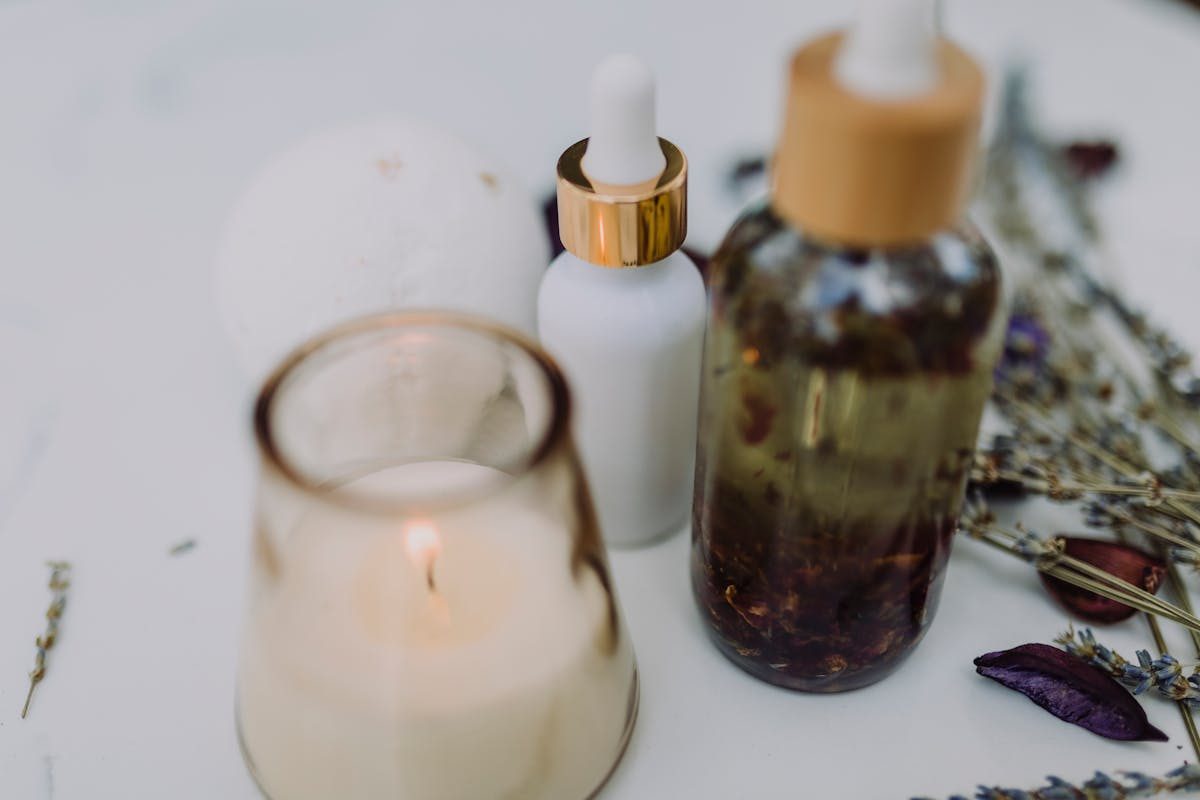
Evans said it’s mostly safe to apply vitamin E oil to skin, but she shared a significant caveat:
Pure vitamin E oil is thick and potent, so it’s best to apply it with care,” Evans said. “Vitamin E can be a bit too much for some skin types, especially if you’re acne-prone or have sensitive skin. That’s where patch testing comes in. A patch test helps you avoid a surprise breakout or reaction.”
To perform a patch test, Evans suggested that you:
Apply a small amount of the oil to your inner arm or behind your ear.
Wait for 24 hours.
If there’s no redness, itching, or swelling after 24 hours, you’re likely good to go.
If vitamin E oil doesn’t work for you, Evans suggests alternatives like niacinamide for calming, hyaluronic acid for hydration, or vitamin C for antioxidants and brightening.
Should I put vitamin E oil on my face in the morning or at night?
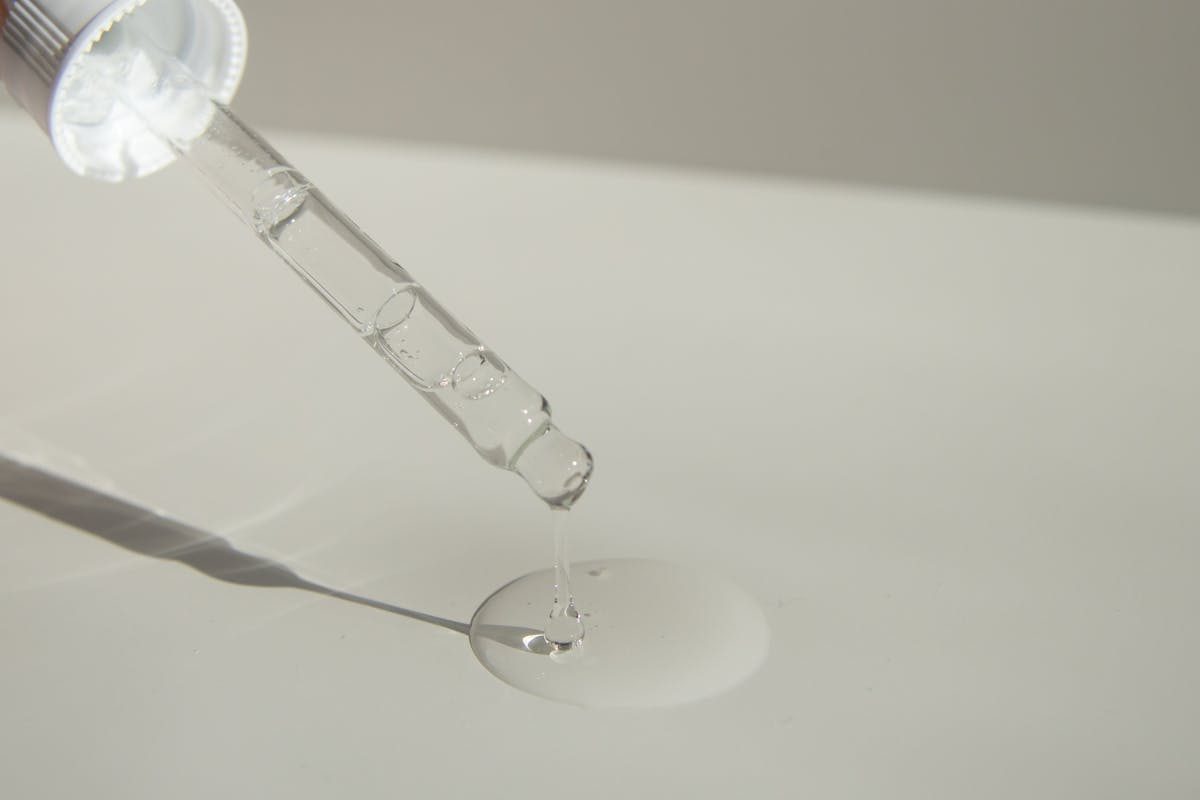
Your best bet is to look at the directions on the product. “If you are not sensitive or allergic, it’s generally safe to use both morning and night,” Dr. Kazlouskaya said. “Just remember that during the day, it’s best layered under sunscreen for added protection.”
For this reason, Evans suggests using vitamin E oil at night if given the choice (or if you only want to apply it once daily).
“Vitamin E oil is rich and takes time to absorb, so it works best while your skin is in repair mode overnight,” Evans said. “Plus, layering it under sunscreen in the morning can feel a little heavy or greasy — not exactly the vibe you want to start your day with.”
Bottom line on vitamin E oil in men’s skincare
Image used with permission by copyright holder
Vitamin E oil is a popular addition to skincare routines these days. However, skincare pros say they’ve long known of the benefits of vitamin E. It can provide hydration, antioxidants, and support skin repair, leaving you with smoother, softer, and clearer skin. You may also notice fewer rough patches, fine lines, and uneven skin tone. That said, vitamin E in oil form is incredibly potent. It can worsen skincare issues, especially acne. Patch testing and waiting 24 hours for signs of irritation can help you determine if vitamin E oil is a good fit for your skin.